








Memorial Day, observed annually on the last Monday of May across the United States, serves as the nation’s solemn tribute to military personnel who died while serving in the U.S. Armed Forces. Originally established in the wake of the American Civil War to honor fallen Union soldiers, the day has evolved over more than 150 years from a localized practice of decorating graves into a federal holiday that anchors the start of the American summer season.
The Origins of Decoration Day
The roots of Memorial Day date back to the post-Civil War era, when communities across the country began holding springtime tributes to fallen soldiers. These early observances, often referred to as “Decoration Day,” involved cleaning and adorning graves with flowers and wreaths.
While several towns claim to be the birthplace of the tradition, Waterloo, New York, was officially recognized by Congress in 1966 as the origin point. On May 5, 1868, General John A. Logan, leader of the Grand Army of the Republic, issued General Order No. 11, designating May 30 as a nationwide day for decorating the graves of comrades who died in defense of their country.
Shifting Cultural Significance
For decades, May 30 remained the fixed date for the observance. However, the Uniform Monday Holiday Act of 1968, which took effect in 1971, moved the holiday to the last Monday in May to create three-day weekends for federal employees.
This legislative change sparked a long-standing debate regarding the holiday’s purpose. Critics argue that the shift toward a long weekend has diluted the somber nature of the day, causing many Americans to associate the date more with retail sales, barbecues, and the unofficial start of summer rather than its original intent of national mourning.
Data and Perspectives on Remembrance
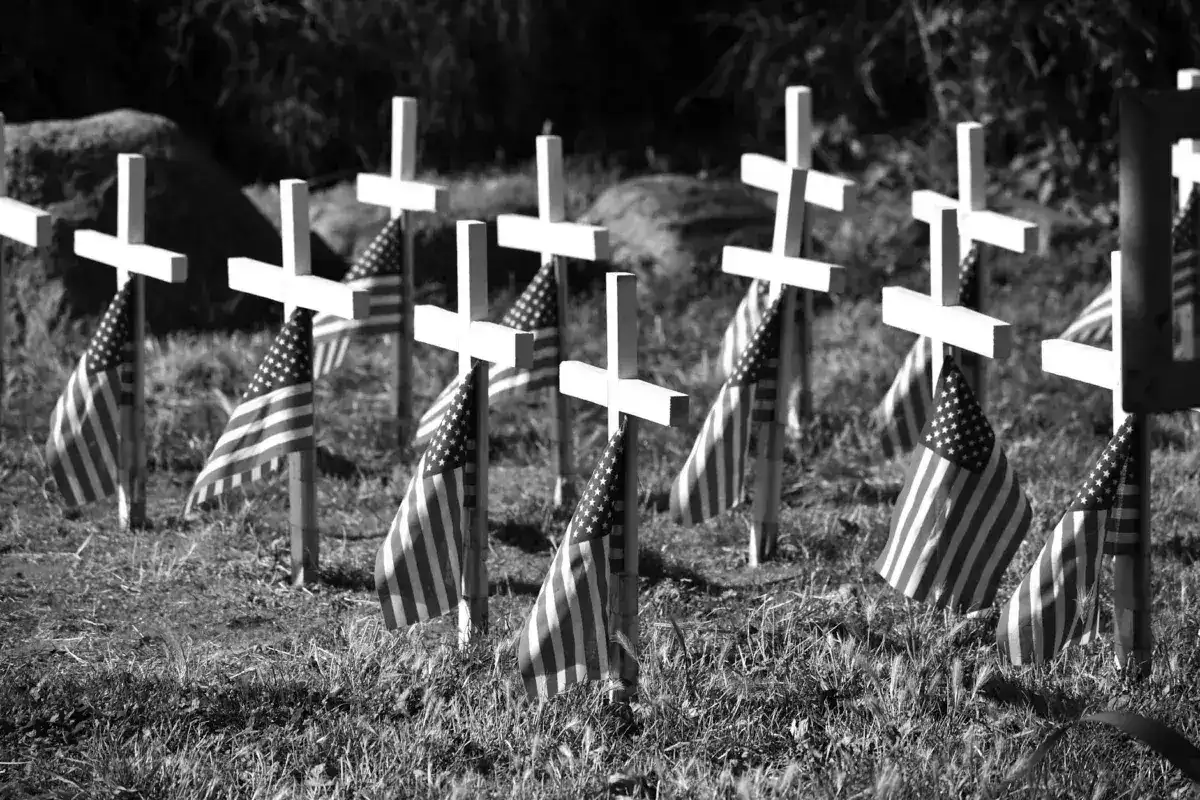
According to the Department of Veterans Affairs, the holiday remains a critical touchstone for military families and veteran organizations. Despite the commercialization often associated with the date, formal traditions persist, including the National Memorial Day Parade in Washington, D.C., and the placement of small American flags on graves at Arlington National Cemetery.
Historians note that the scope of the holiday expanded significantly following World War I. Originally intended to honor only Civil War dead, the observance grew to encompass those who died in all American wars, reflecting the nation’s changing role on the global stage throughout the 20th century.
Industry and Societal Implications
For the retail and travel industries, Memorial Day serves as a major economic indicator. Data from the American Automobile Association (AAA) consistently shows high travel volumes during the weekend, signaling consumer confidence and seasonal shifts in spending habits.
Conversely, for military organizations, the holiday serves as a vital platform for advocacy. It provides an opportunity to highlight the ongoing needs of surviving family members and the importance of veteran mental health support services. The tension between the holiday’s festive atmosphere and its somber origins continues to define the American experience of the day.
Looking ahead, the challenge for the holiday remains balancing public leisure with historical education. Observers should watch for shifts in how younger generations engage with military history and whether future national campaigns will succeed in re-emphasizing the “National Moment of Remembrance,” which asks Americans to pause at 3:00 p.m. local time on the holiday to reflect on the sacrifices made by those who did not return home.