








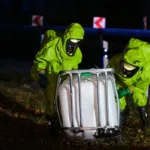

First Responders Exposed to Hazardous Substances
Authorities in a rural New Mexico county confirmed that fentanyl and methamphetamine were discovered inside a private residence following an emergency call involving suspected overdoses. The incident, which occurred earlier this week, forced multiple first responders to seek medical treatment after they began experiencing symptoms consistent with chemical exposure upon entering the home.
Law enforcement officials reported that the scene required immediate intervention from specialized hazmat teams to secure the area. While the identities of the responders and their current medical status remain private, the event underscores the escalating dangers facing emergency personnel who encounter illicit synthetic opioids during routine welfare checks and medical calls.
The Growing Threat of Synthetic Opioids
The rise of fentanyl—a synthetic opioid up to 50 times more potent than heroin—has fundamentally changed the landscape of emergency response in the United States. According to the Drug Enforcement Administration (DEA), even microscopic amounts of fentanyl, if inhaled or absorbed through the skin, can cause severe respiratory distress or cardiac arrest in individuals without opioid tolerance.
Rural counties, often lacking the rapid access to specialized decontamination units found in major metropolitan areas, face unique challenges when responding to scenes contaminated with illicit substances. The presence of methamphetamine alongside fentanyl complicates the situation further, as mixed-substance contamination creates unpredictable chemical reactions that can overwhelm standard personal protective equipment (PPE).
Operational Challenges and Safety Protocols
Emergency medical services and police departments across the country are currently re-evaluating their standard operating procedures in light of such incidents. The National Institute for Occupational Safety and Health (NIOSH) emphasizes that the primary risk to first responders is the accidental inhalation of aerosolized powders during the process of securing a scene.
“The volatility of these substances necessitates a ‘stop-and-assess’ approach rather than immediate entry,” said a safety expert familiar with hazardous material protocols. Many jurisdictions have begun outfitting patrol vehicles with enhanced naloxone kits and specialized respiratory protection to mitigate these risks, though budgetary constraints remain a barrier for smaller, rural agencies.
Data from the Centers for Disease Control and Prevention (CDC) indicates that synthetic opioid-related deaths continue to reach record highs, with law enforcement agencies reporting an increase in the number of “drug-dense” environments. These locations often contain clandestine laboratories or storage areas that pose long-term health risks to anyone who enters without adequate environmental controls.
Implications for Future Emergency Response
The incident in New Mexico serves as a stark reminder of the evolving nature of the opioid crisis and its impact on public safety infrastructure. As synthetic opioids become more pervasive, agencies will likely shift toward a more cautious model of “scene control,” where law enforcement identifies potential chemical hazards before medical personnel are cleared to provide patient care.
Industry analysts anticipate that the future of emergency response will involve heavy investment in portable detection technology, such as rapid-scan chemical sensors that can identify airborne particulates in real-time. Furthermore, the integration of drone technology for initial scene assessment may become a standard practice to keep personnel at a safe distance from potentially contaminated environments. Stakeholders are now closely watching how legislative bodies will allocate funding to support these technological upgrades in rural districts where resources are already stretched thin.