









The Path to Diplomatic Resolution
Former President Donald Trump announced this week that he is nearing the finalization of a diplomatic framework aimed at ending hostilities with Iran. The proposed agreement, which reportedly outlines a 30 to 60-day window to negotiate a comprehensive pact, seeks to stabilize the Persian Gulf and address long-standing concerns regarding Tehran’s nuclear ambitions.
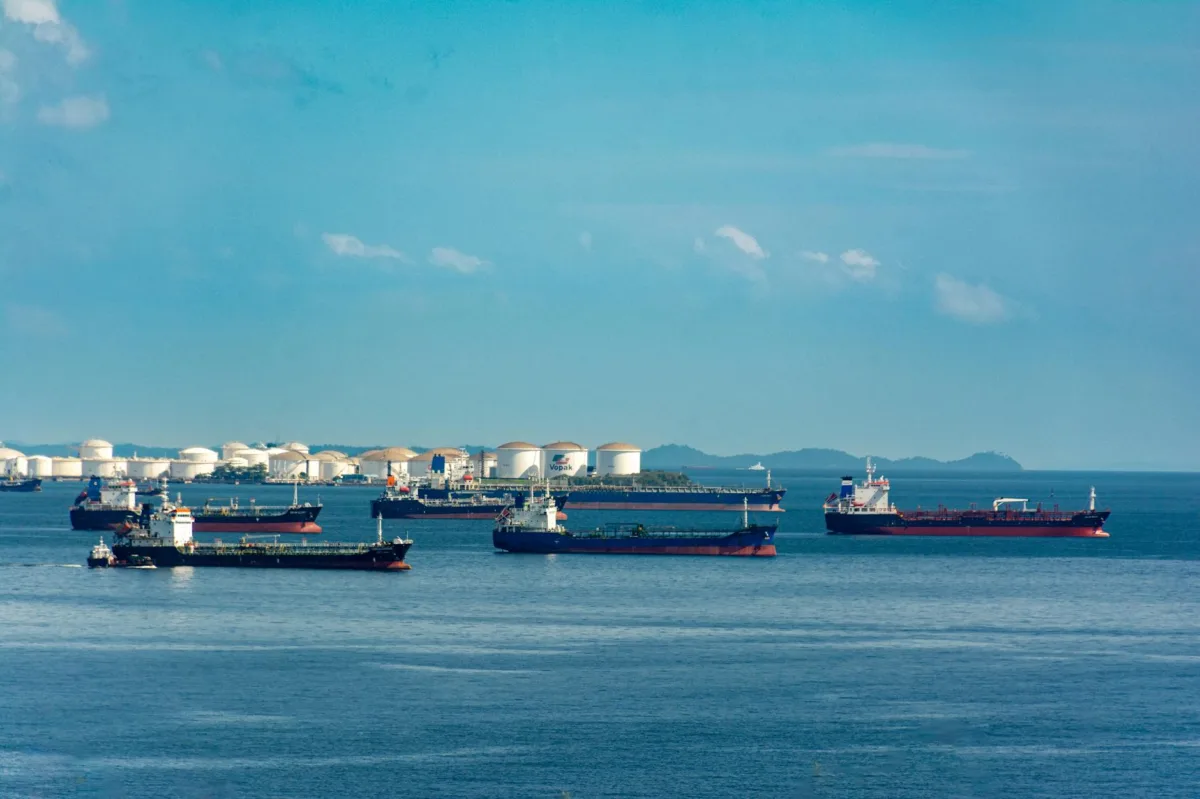
The initiative intends to immediately address the security of the Strait of Hormuz, a critical maritime chokepoint for global oil supplies. By establishing a de-escalation timeline, the framework aims to transition from military posturing to structured bilateral talks.
Context of Regional Tensions
The Strait of Hormuz has remained a volatile flashpoint for years, with Iran frequently threatening to disrupt shipping lanes in response to international sanctions. The region has experienced a cycle of tanker seizures, drone strikes, and naval confrontations that have periodically spiked global energy prices.
Previous attempts at diplomatic engagement have faced significant hurdles, most notably the 2018 withdrawal from the Joint Comprehensive Plan of Action (JCPOA). Since that time, Iran has accelerated its uranium enrichment activities, leading to heightened scrutiny from the International Atomic Energy Agency (IAEA) and Western intelligence services.
The Proposed Framework
Under the terms of the emerging arrangement, the immediate priority is the reopening and securing of the Strait of Hormuz for commercial transit. This move is designed to provide immediate economic relief and demonstrate good faith from both parties.
The secondary phase involves a 60-day intensive negotiation period focused on the most contentious issues. Diplomats suggest this timeframe is intended to force a rapid resolution on nuclear constraints, regional proxy involvement, and the lifting of economic sanctions.
Expert Perspectives and Data
Geopolitical analysts remain divided on the feasibility of such a compressed timeline. Data from the Washington Institute for Near East Policy suggests that the complexity of the nuclear verification process typically requires months of technical oversight, rather than weeks of political bargaining.
“The ambition of the timeline is the most striking element here,” noted a senior fellow at a prominent D.C. think tank. “While the desire to reopen the Strait provides a clear, measurable metric for success, the nuclear file remains deeply entrenched in technical and legal requirements that rarely move at the speed of political announcements.”
Economic and Strategic Implications
For the global energy sector, the potential stabilization of the Strait of Hormuz could lead to a significant reduction in shipping insurance premiums and market volatility. Stability in this region is widely considered a prerequisite for sustained global economic recovery, as a large percentage of the world’s seaborne oil passes through the narrow passage.
For the broader diplomatic community, the success or failure of these talks will likely set the tone for Middle Eastern relations for the remainder of the decade. If the framework succeeds, it could serve as a template for resolving other regional conflicts through phased, high-stakes negotiations.
Observers should watch for the official appointment of a lead negotiator and the specific verification mechanisms proposed for the nuclear components. The coming 30 days will serve as a bellwether for whether both sides are prepared to make the necessary concessions to move beyond the current deadlock.