







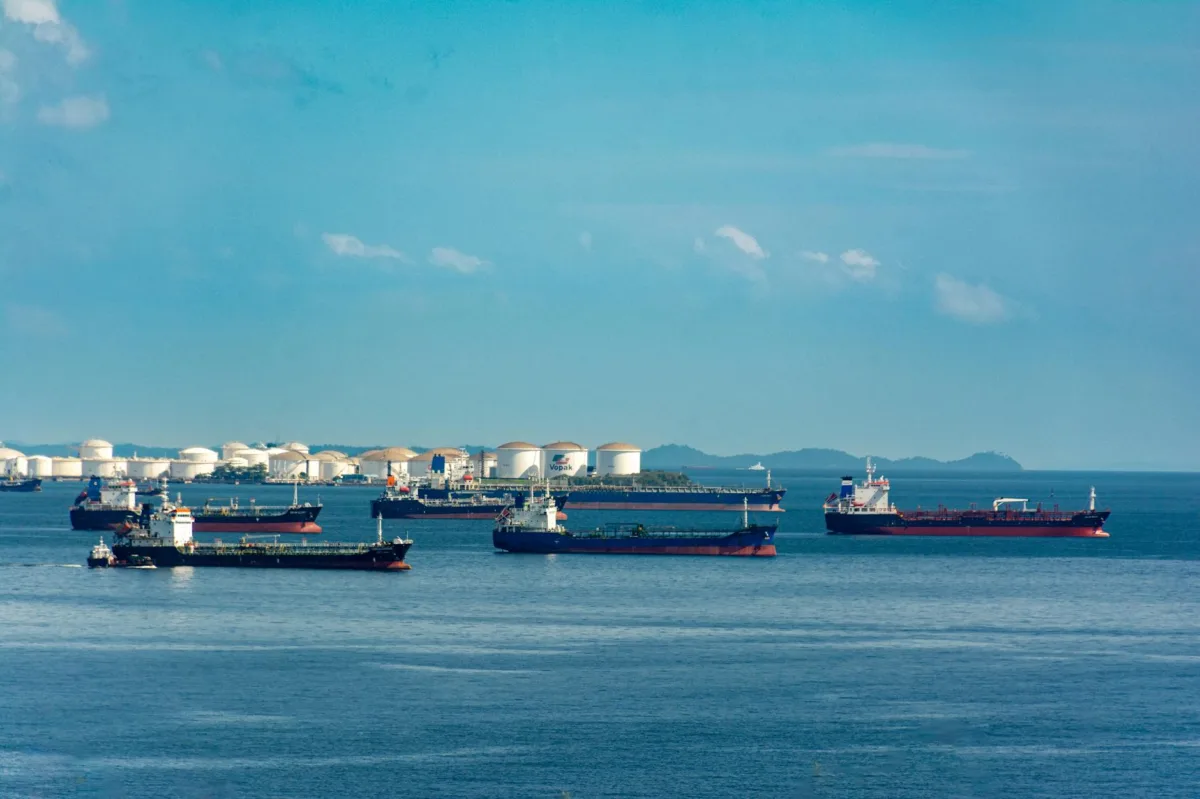
U.S. federal authorities recently seized an oil tanker linked to Iran while the vessel navigated the Indian Ocean, marking a significant escalation in the ongoing maritime standoff between Washington and Tehran. The operation, conducted as part of an aggressive enforcement strategy by the Trump administration, underscores a broader campaign to choke off revenue streams that the U.S. government claims are used to fund illicit military activities.
Context of the Maritime Conflict
The seizure represents the latest development in the long-standing geopolitical friction between the United States and Iran. Following the U.S. withdrawal from the Joint Comprehensive Plan of Action (JCPOA) in 2018, the administration implemented a policy of ‘maximum pressure,’ leveraging heavy economic sanctions to isolate the Iranian economy.
International waters in the Middle East have become a primary theater for this conflict. In recent years, both nations have engaged in a series of tit-for-tat vessel seizures, drone encounters, and naval posturing. This latest action follows a pattern of U.S. interdictions aimed at disrupting the illicit export of Iranian crude oil, which Tehran relies on to circumvent international banking restrictions.
The Mechanics of the Seizure
The operation involved coordination between U.S. intelligence agencies and naval assets tasked with monitoring maritime traffic in the Indian Ocean. While specific details regarding the vessel’s name and final destination remain classified, officials confirmed that the ship was intercepted due to its suspected role in violating U.S.-imposed sanctions.
Legal experts suggest that the U.S. government likely utilized the civil forfeiture process to justify the seizure. By categorizing the cargo as a tool for financing prohibited activities, the U.S. can move to permanently confiscate the fuel and redirect the proceeds. This legal framework has become a preferred tool for the Department of Justice in recent years, serving as a non-kinetic alternative to direct military confrontation.
Expert Perspectives and Economic Impact
Energy analysts note that these seizures have a chilling effect on global shipping insurance and logistics. ‘When the U.S. targets these tankers, it forces shipping companies to choose between lucrative Iranian oil contracts and access to the U.S. financial system,’ says maritime security consultant Marcus Thorne. ‘The risk premium for operating in the Persian Gulf and Indian Ocean has skyrocketed as a result.’
Data from the U.S. Energy Information Administration (EIA) indicates that Iran’s oil exports remain significantly below pre-2018 levels, though Tehran has successfully utilized ‘dark fleet’ tankers—vessels that disable their AIS transponders—to move crude to markets in Asia. This seizure serves as a direct challenge to that shadow network, signaling that the U.S. possesses the surveillance capabilities to track even the most elusive vessels.
Broader Geopolitical Implications
The timing of the seizure is particularly notable given the administration’s rhetoric regarding the potential for renewed military strikes. By targeting the economic lifeline of the Iranian regime, the U.S. is signaling that its patience for diplomatic resolutions is wearing thin. This strategy forces Tehran to weigh the cost of its regional influence against the stability of its domestic economy.
Looking ahead, industry observers are watching for signs of retaliation. Historically, Iran has responded to such seizures by detaining Western-flagged tankers in the Strait of Hormuz, a critical chokepoint for global oil supply. Analysts warn that the coming months will likely see increased naval activity in the region, with shipping companies facing heightened operational risks and rising insurance premiums as the U.S. continues its campaign of economic interdiction.