









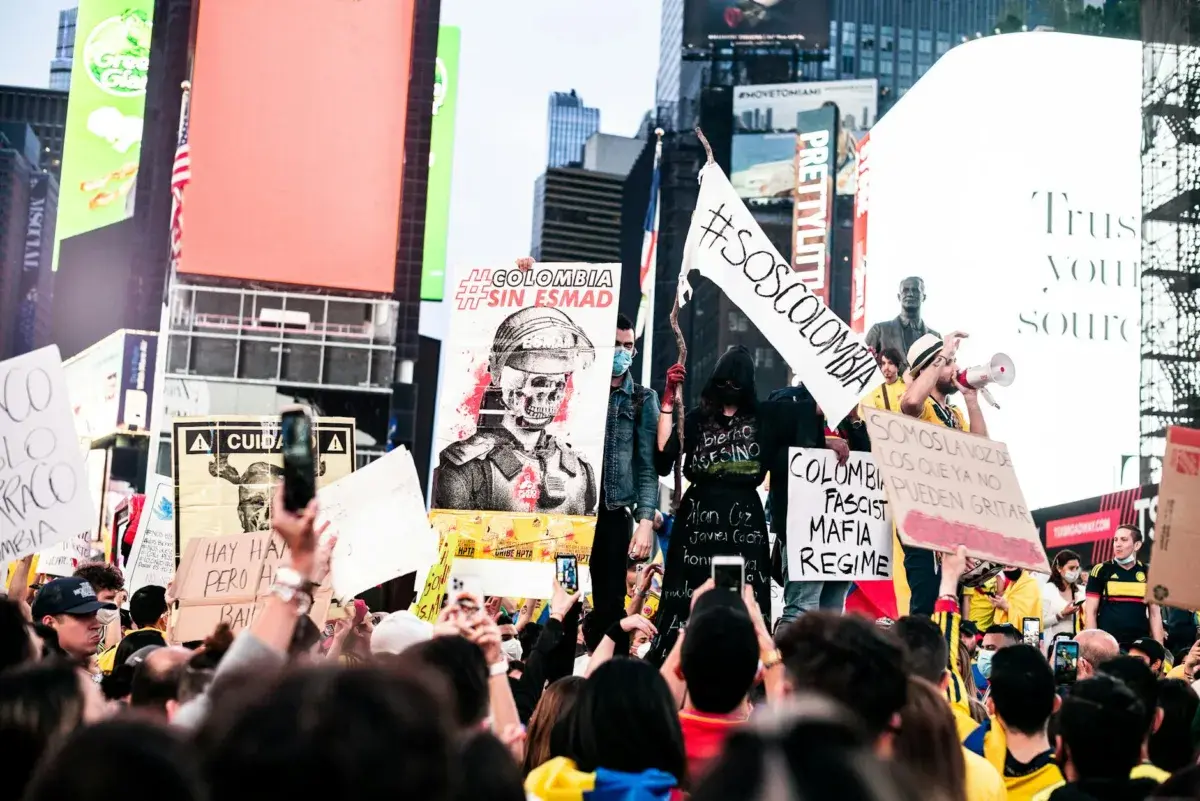
A Changing Political Tide in Colombia
Colombia, a nation long defined by its staunchly conservative leadership and historical resistance to leftist ideology, is facing an unprecedented political transformation as figures like Ivan Cepeda emerge as central players in national discourse. Recent polling data suggests a significant shift in public sentiment, with radical left-leaning agendas gaining traction among voters disillusioned by decades of traditional governance. This movement, characterized by a pivot toward social reform and wealth redistribution, has placed the country’s conservative establishment on high alert.
The Historical Context of Colombian Conservatism
For most of its modern history, Colombia has operated as a bastion of right-wing politics in Latin America, largely driven by counter-insurgency efforts and market-friendly economic policies. The political landscape was traditionally dominated by elites who prioritized security and stability over radical social restructuring. However, the legacy of the internal armed conflict and persistent economic inequality has eroded public trust in these institutions.
The Rise of the Leftist Movement
Ivan Cepeda, a prominent senator and the son of a celebrated Communist icon, has become the face of this political evolution. His rise represents a departure from the status quo, focusing on human rights, land reform, and a critical reassessment of the country’s relationship with international capital. Analysts suggest that this shift is not merely a reactionary trend but a structural change in how Colombians perceive political representation.
Expert Analysis and Data Trends
Recent surveys conducted by leading polling firms indicate that a growing percentage of the electorate is willing to support candidates who promise a departure from neoliberal economic policies. Political scientists point to the 2022 presidential elections as a turning point, where the appetite for change outweighed the historical fears of socialist governance. Data suggests that younger demographics, in particular, are driving this trend, citing a desire for greater social equity and environmental protections.
Economic and Social Implications
The potential for a radical left shift carries significant weight for the regional economy and international investors. Critics of this movement warn of capital flight and economic instability, reminiscent of the challenges faced by other Latin American nations that underwent similar transitions. Conversely, proponents argue that the shift is a necessary step toward addressing the systemic poverty and structural violence that have plagued the country for generations.
Looking Ahead
As the country prepares for future election cycles, observers are closely monitoring how the conservative establishment adapts to this new reality. The ability of traditional parties to reform their messaging will determine whether they remain viable contenders or succumb to the momentum of the left. The coming months will be critical in determining whether this shift results in a fundamental restructuring of Colombian state policy or a temporary realignment of political power.