









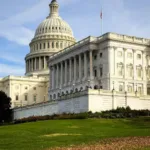
The U.S. Supreme Court ruled in favor of the Trump administration this week, effectively upholding strict limitations on the ability of immigration judges to speak publicly on matters related to their professional duties. The decision, delivered in Washington, D.C., impacts thousands of federal employees by clarifying the scope of administrative oversight regarding extracurricular speech and the potential for perceived political bias within the judiciary.
Understanding the Legal Context
The dispute originated from internal Department of Justice (DOJ) policies that required immigration judges to obtain prior approval before participating in public speaking engagements or publishing articles. Critics of these policies argued that such restrictions violated the First Amendment rights of federal employees, potentially stifling discourse on the systemic challenges facing the immigration court system.
Historically, the government has maintained that immigration judges are not independent Article III judges but rather executive branch employees. As such, the administration argued that the DOJ possesses the authority to regulate their public conduct to ensure the appearance of impartiality. This distinction between constitutional court judges and administrative law judges has served as the fulcrum for the legal battle.
Balancing Speech and Impartiality
Proponents of the ruling suggest that the decision reinforces the necessity of neutrality in sensitive legal matters. By limiting public commentary, the government aims to prevent the politicization of immigration proceedings, which have become a focal point of national debate. Supporters note that judicial officers should avoid public statements that could lead litigants to question the fairness of their courtrooms.
Conversely, legal scholars and advocacy groups have expressed concern regarding the chilling effect this ruling may have on transparency. According to data from the National Association of Immigration Judges (NAIJ), the court system faces a massive backlog, with over 2 million pending cases as of 2024. Critics argue that silencing the very individuals tasked with managing this caseload prevents the public from understanding the operational constraints and potential reforms needed to address the crisis.
Data and Expert Analysis
Legal analysts point out that the Supreme Court’s decision aligns with a broader trend of deferring to executive branch management of administrative personnel. In previous rulings, such as Garcetti v. Ceballos, the Court established that public employees do not have absolute protection for speech made pursuant to their official duties. This latest ruling applies that precedent specifically to the unique environment of the immigration court.
Industry experts suggest that the lack of public input from judges may impact future policy shifts. Without the ability to provide expert testimony or commentary on procedural bottlenecks, the voices of those working on the front lines of the immigration system remain muted, leaving policy decisions largely in the hands of political appointees.
Future Implications for Federal Employees
The ruling sets a significant precedent for how federal agencies handle employee speech in an era of heightened political polarization. Agencies across the executive branch may now feel empowered to tighten internal policies regarding the public engagement of their staff, citing this Supreme Court decision as a legal benchmark.
Observers should watch for how the Department of Justice updates its internal manuals in the coming months. Furthermore, legal challenges may arise if agencies attempt to apply these restrictions to speech that is clearly disconnected from official duties, potentially leading to further litigation over where the line between private citizen and public servant truly exists.


