









Balancing Conservation and Power
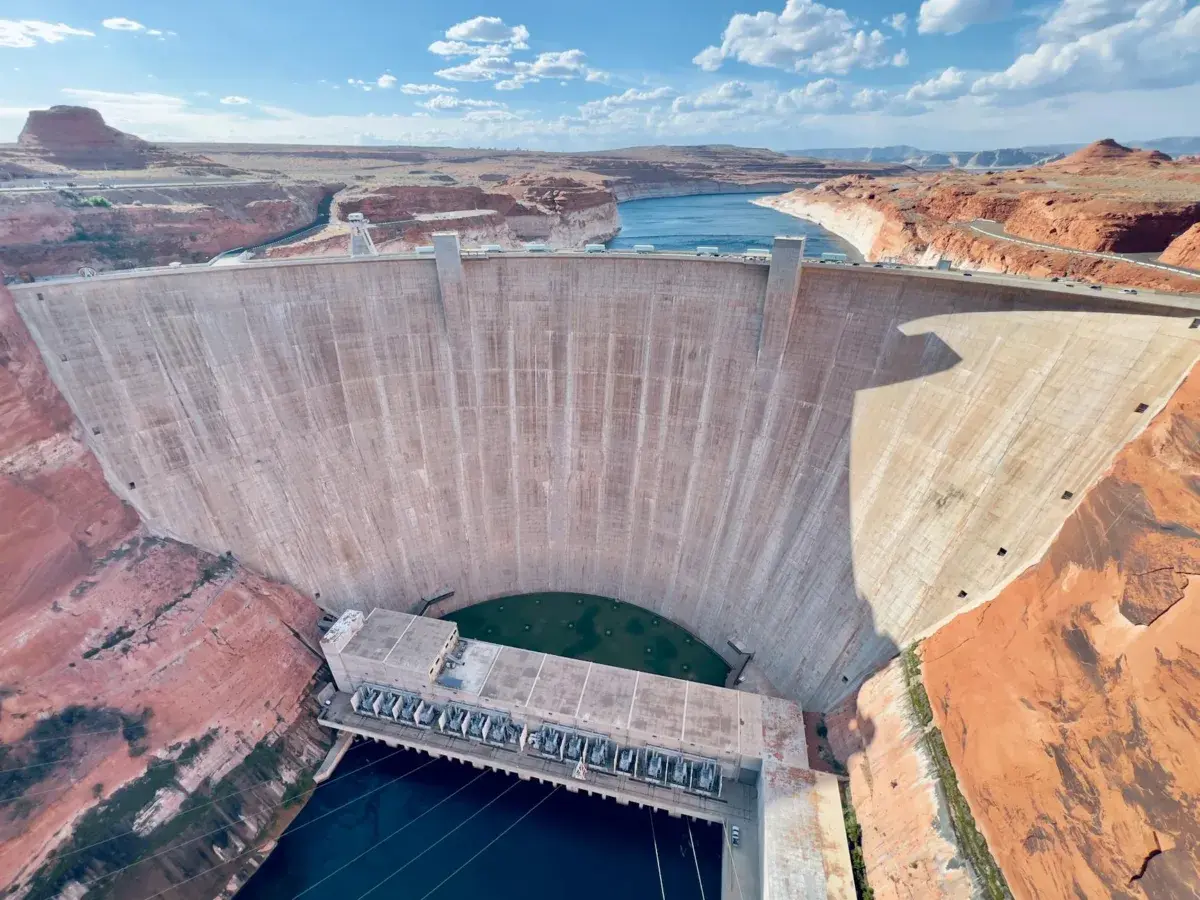
Federal officials at the Bureau of Reclamation are currently evaluating plans to release cool water from the Glen Canyon Dam in Northern Arizona this summer, marking the third consecutive year of this environmental intervention aimed at protecting the endangered humpback chub. By drawing water from deeper, colder layers of Lake Powell, authorities seek to create optimal spawning conditions for the fish, which have struggled to thrive in the warming temperatures of the Colorado River.
The Context of Endangered Ecosystems
The humpback chub, a prehistoric-looking fish native to the Colorado River basin, has been a focal point of conservation efforts for decades. Its population decline was historically linked to dam construction, which altered the river’s natural temperature and sediment flow. Following its status as a federally protected species, the Bureau of Reclamation has been mandated under the Endangered Species Act to manage dam operations to prevent the extinction of native aquatic life.
The Trade-off: Hydropower Production
While the cooling strategy benefits the humpback chub, it imposes significant operational costs on the Western power grid. Releasing water from lower depths reduces the total volume of water available to flow through the dam’s turbines at high pressure, directly impacting electricity generation capacity. As the American West continues to face grid instability and high energy demand, the diversion of resources for environmental mitigation creates a complex tension between renewable energy goals and ecological preservation.
Expert Perspectives and Data
Hydrologists note that the strategy involves a delicate balancing act of water chemistry and thermal regulation. According to data from the U.S. Fish and Wildlife Service, the survival rate of juvenile humpback chub increases significantly when water temperatures are maintained within a specific, cooler range during the critical spring and summer months. However, energy analysts warn that the cumulative loss of hydropower from Glen Canyon Dam could force utility providers to rely more heavily on fossil-fuel-based energy sources to meet peak demand during the summer heat.
Implications for the Future
The decision underscores the growing challenge of managing multi-purpose infrastructure in an era of climate volatility. As reservoir levels fluctuate, the flexibility of dam operations becomes increasingly limited, forcing stakeholders to choose between competing priorities of water security, biodiversity, and energy reliability. Observers are now watching for the official decision from the Department of the Interior, which will set the precedent for how the federal government prioritizes endangered species recovery against the backdrop of a strained regional power grid. Future policy discussions will likely focus on technological upgrades to the dam’s infrastructure that could allow for temperature control without sacrificing as much hydropower output.


