








Grid Congestion Curtails Clean Energy Potential
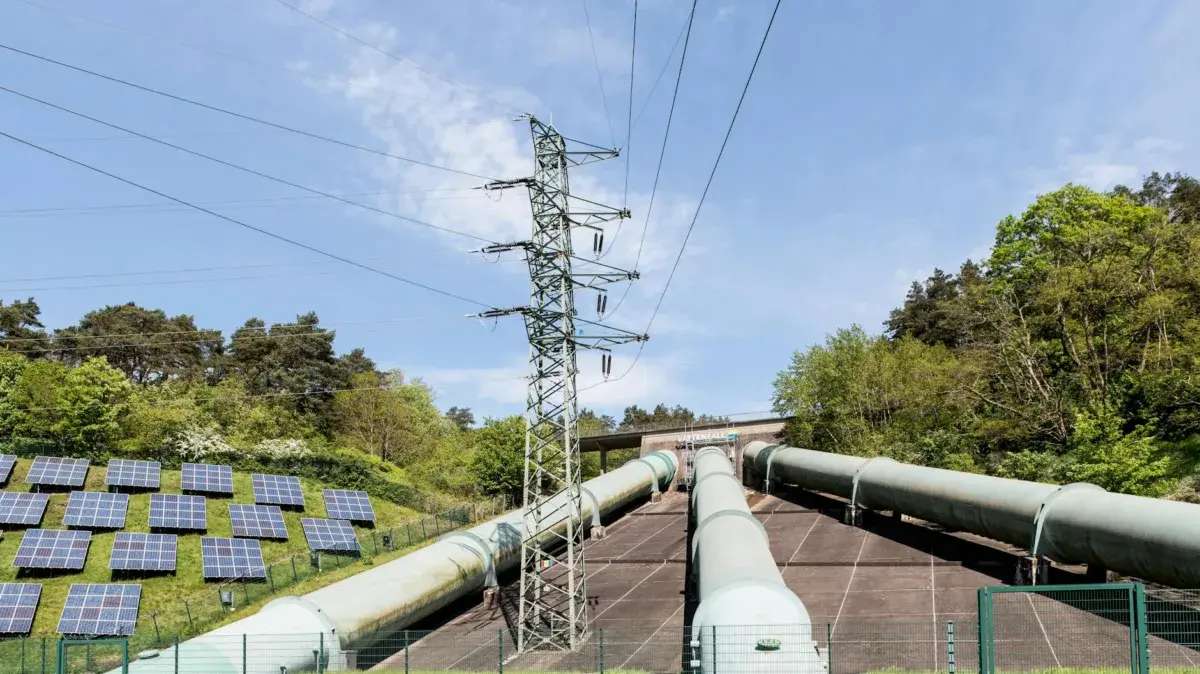
India’s rapid expansion of solar infrastructure faced a significant setback in the first quarter of 2026, as grid transmission limitations resulted in the waste of 300 gigawatt-hours (GWh) of clean power. This curtailment, primarily caused by the inability of legacy transmission networks to absorb sudden spikes in renewable generation, highlights a growing friction between the nation’s ambitious green energy targets and its physical infrastructure capabilities.
The Infrastructure Gap
For years, India has aggressively incentivized solar and wind capacity, aiming to transition away from coal-dependent power generation. However, the transmission network, largely designed for centralized thermal power plants, has struggled to adapt to the decentralized and intermittent nature of renewable energy.
As solar output peaks during midday, the existing grid infrastructure often reaches its capacity, forcing distribution companies to reject power that the system cannot safely transmit. This operational mismatch has turned the success of solar deployment into a logistical liability for grid operators.
Economic and Operational Risks
Financial analysts at Moody’s and ICRA have recently flagged these grid bottlenecks as a critical risk factor for renewable energy developers. When generated power is curtailed, developers face revenue losses, undermining the internal rate of return on multi-billion dollar solar projects.
The issue is compounded by a lack of large-scale battery energy storage systems (BESS). Without sufficient storage, the excess energy generated during daylight hours cannot be banked for evening peak demand, leading to the observed wastage of 300 GWh in just three months.
A Massive Capital Injection
In response to these systemic failures, the government has announced a comprehensive Rs 9 trillion upgrade plan for the national power transmission infrastructure. This initiative aims to modernize the grid, incorporate smart-grid technologies, and expand inter-state transmission capacity to handle higher loads of renewable energy.
Industry experts suggest that this capital expenditure is a necessary prerequisite for India to reach its net-zero goals. “Transmission is the invisible backbone of the energy transition,” noted a lead analyst at ETEnergyworld, emphasizing that generation capacity is useless if it cannot reach the end consumer.
The Road Ahead
The next two years will be defined by the pace at which these transmission projects are executed. Investors are closely watching the component manufacturing sector, where firms are already doubling production capacity to meet the surge in demand for high-voltage cables and smart transformers.
Market observers expect that the success of the Rs 9 trillion investment will depend on the integration of decentralized storage solutions to complement the new transmission lines. If the grid continues to throttle renewable output, the momentum of India’s green transition may face further economic pushback, making the scaling of storage technology the most critical trend to monitor in the coming quarters.