








Tehran Balances Global Negotiations Amid Regional Instability
Iranian officials are currently engaged in a delicate diplomatic maneuver to secure vital economic relief while simultaneously insulating their domestic political structure from the influence of incoming U.S. leadership. As of late 2024, Tehran has signaled a renewed willingness to engage in back-channel talks with Western powers, aiming to stabilize its currency and mitigate the impact of years of heavy sanctions. The strategy is driven by a domestic economic crisis, characterized by high inflation and a devalued rial, which forces the regime to prioritize fiscal survival over ideological rigidities.
The Weight of Sanctions and Regional Tensions
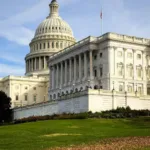
For decades, Iran’s economy has been hamstrung by international sanctions, which have severely restricted the nation’s ability to export oil and access global banking systems. The current administration in Tehran views the transition of power in Washington as a critical juncture; they are wary of the potential for a return to the ‘maximum pressure’ campaign associated with Donald Trump’s previous term. Despite this apprehension, the regime continues to maintain its presence in the Strait of Hormuz, where periodic skirmishes and maritime disruptions have kept regional tensions at a boiling point.
Strategic Motivations Behind the Dialogue
Analysts suggest that Iran’s primary goal is to reach a framework that provides immediate liquidity without conceding the political optics of a total capitulation to American demands. By keeping negotiations alive, Tehran hopes to decouple its economic recovery from the volatile U.S. political cycle. This dual-track approach—maintaining regional power projection while seeking diplomatic off-ramps—reflects a pragmatic shift within the Iranian leadership. Experts note that the regime is acutely aware that a full-scale economic collapse would pose an existential threat to its internal stability.
Expert Perspectives on Diplomatic Viability
Economic analysts from the International Crisis Group have noted that Iran’s fiscal reserves are increasingly strained, leaving the government with little room for further domestic austerity. Data from the World Bank indicates that Iran’s GDP growth remains vulnerable to fluctuations in global oil prices and the ongoing isolation of its financial sector. By engaging in these talks, Tehran is attempting to buy time, hoping that a more favorable global economic landscape will allow them to rebuild their economy from within.
Implications for Global Markets and Policy
For international investors and global policymakers, the situation remains fluid and high-stakes. Any breakthrough in negotiations could lead to a significant increase in Iranian oil production, potentially cooling global energy prices and shifting the balance of power in the Middle East. Conversely, a failure to reach an agreement could trigger further regional escalation, impacting shipping lanes and supply chains that are already stretched thin. Observers should monitor the frequency of diplomatic communiqués between Tehran and European intermediaries, as these will likely serve as the primary indicator of whether a substantive deal is within reach or if the current talks are merely a strategic delay tactic.


