


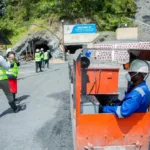








A Catastrophic Industrial Accident
A massive coal mine explosion in northern China has resulted in the deaths of at least 82 workers, marking the nation’s deadliest mining accident in over a decade. The disaster, which occurred early Tuesday morning, also left more than 100 miners injured and triggered an urgent, large-scale search and rescue operation to locate those trapped deep within the facility.
Emergency response teams were dispatched immediately to the site, struggling against unstable structural conditions and high levels of toxic gas. Local authorities have cordoned off the area while government officials coordinate the recovery efforts and initiate a formal investigation into the breach of safety protocols.
Historical Context and Regulatory Challenges
China has long operated the world’s largest coal mining industry, which remains a cornerstone of its energy production despite a global push toward renewable energy. Historically, the sector has been plagued by frequent accidents, often stemming from poor ventilation, outdated equipment, and the prioritization of production quotas over worker safety.
While significant improvements have been made since the 2009 disaster, which claimed over 100 lives, safety standards remain inconsistent across different provinces. The central government has repeatedly pledged to shutter smaller, illegal mines, yet remote operations often evade rigorous oversight, leading to recurring tragedies.
Analyzing the Scope of the Tragedy
The scale of this incident has drawn immediate attention to the structural integrity of the facility and the effectiveness of current safety monitoring systems. Preliminary reports suggest that a methane gas ignition may have initiated the explosion, a common but lethal hazard in underground coal mining.
Industry experts note that while modern technology can detect gas buildup in real time, human error or the failure to maintain sensors remains a persistent vulnerability. The high casualty count reflects the density of workers present in the tunnel during the shift change, compounding the impact of the initial blast.
Expert Perspectives and Safety Data
Safety analysts point to a concerning trend of increased production pressure as the primary driver behind the recent spike in workplace accidents. According to data from the National Bureau of Statistics, coal demand has surged in recent months, forcing mines to maximize output to meet national industrial targets.
“When production is pushed to the limit, safety margins are often the first to be compromised,” says Dr. Li Wei, an industrial safety consultant based in Beijing. The reliance on older, labor-intensive mining methods further exacerbates the risks, as these facilities lack the advanced automation that could mitigate human exposure to hazardous environments.
Implications for the Industry
For the mining industry, this tragedy will likely trigger a nationwide crackdown and a mandatory review of safety compliance measures. Regulatory bodies are expected to halt operations at similar high-risk sites to conduct comprehensive inspections, which could lead to temporary supply chain disruptions in the energy sector.
Investors and stakeholders are now bracing for stricter environmental and safety regulations that may increase operational costs for mining firms. The long-term impact on the industry’s labor force is also significant, as the incident threatens to deter workers from an already demanding and dangerous profession.
Looking ahead, the focus remains on the ongoing search for survivors and the forthcoming official report on the blast’s cause. Analysts will be watching for potential leadership changes in the regional mining bureau and any new legislation aimed at enforcing absolute safety compliance. The government’s response to this crisis will serve as a bellwether for its commitment to prioritizing human life over industrial output in the years to come.


