






The Israeli military intensified its aerial and ground campaigns across southern Lebanon this week, issuing urgent evacuation orders for multiple districts as diplomatic efforts led by the United States to secure a de-escalation with Iran remain largely stagnant. These developments mark a significant expansion of the conflict, which has seen near-daily exchanges of fire since October 2023, now spreading deeper into urban centers including the major city of Nabatieh.
The Escalating Security Landscape
The current surge in hostilities follows months of localized skirmishes along the Blue Line, the de facto border between Israel and Lebanon. Israeli officials maintain that these operations are necessary to neutralize Hezbollah’s infrastructure and ensure the safe return of displaced residents to northern Israeli communities.
The Israeli Defense Forces (IDF) have issued widespread evacuation mandates for residents in southern Lebanon, signaling a shift from targeted strikes to broader military maneuvers. These orders have triggered mass displacement, with thousands of civilians fleeing toward northern regions or Beirut as the intensity of the bombardment increases.
Diplomatic Stagnation and Regional Impasse
While U.S. diplomats continue to press for a ceasefire, progress remains elusive as the geopolitical standoff between Washington and Tehran persists. Analysts suggest that the regional conflict is inextricably linked to the broader proxy dynamics involving Iran, which provides critical support to Hezbollah.
Despite ongoing back-channel communications between the U.S. and Iranian officials, there is little evidence of a breakthrough. Experts note that both sides are operating under a strategy of calibrated escalation, hoping to gain leverage through military pressure rather than conceding at the negotiating table.
Impact on Lebanese Stability
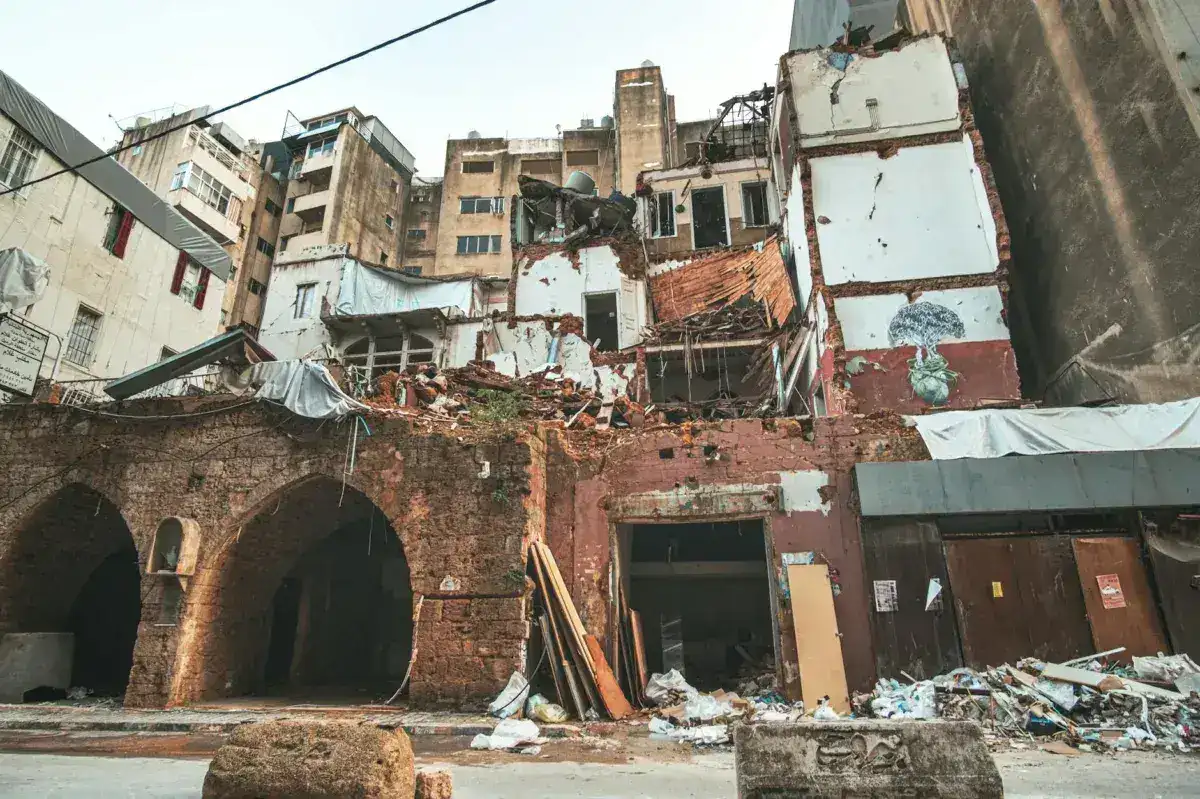
The humanitarian toll in Lebanon is mounting as critical infrastructure faces repeated strikes. Residents in urban hubs like Nabatieh, which serves as a vital economic and administrative center in the south, have expressed a growing sense of resignation regarding the longevity of the war.
Data from local aid organizations indicates that the displacement crisis is straining Lebanon’s already fragile economy. With the government in Beirut lacking the resources to support the influx of refugees, the social fabric of the country faces unprecedented pressure.
Industry and Global Implications
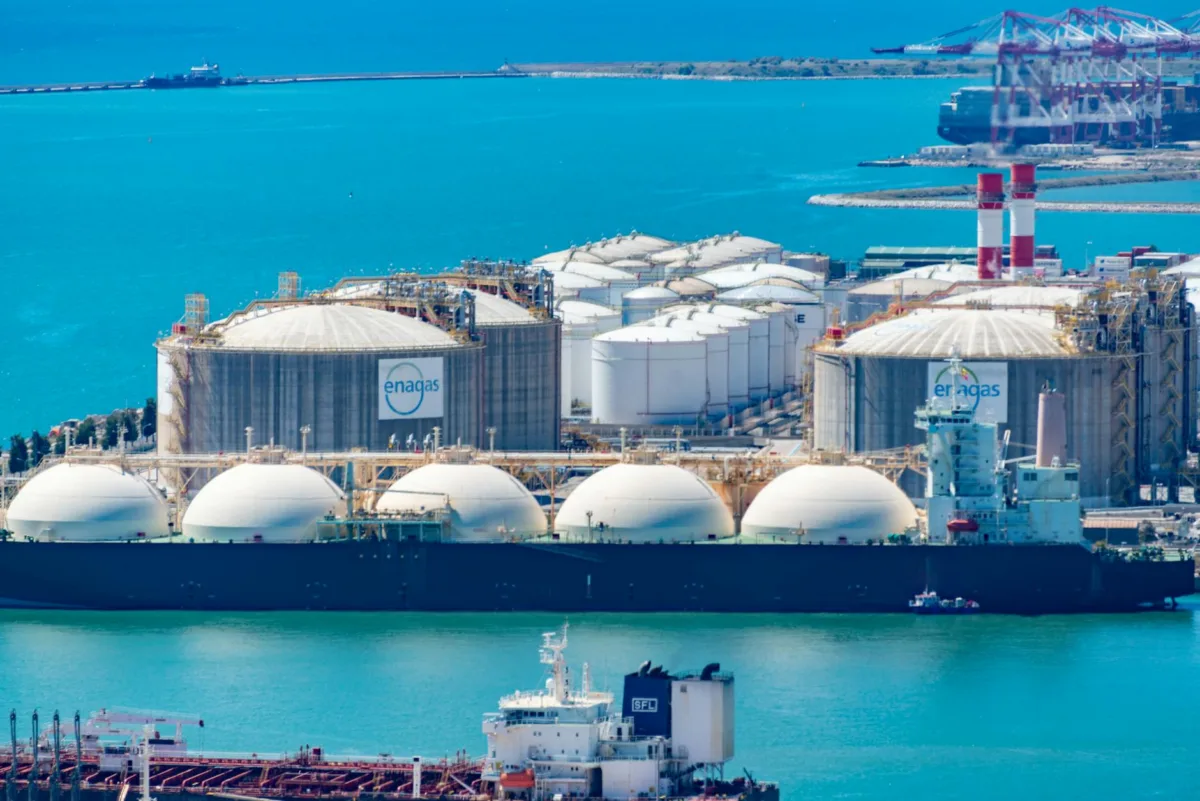
The expansion of the conflict poses significant risks to regional stability and global energy markets. Investors remain wary, as any further escalation could threaten maritime security in the Eastern Mediterranean and disrupt vital trade routes.
Market analysts are currently monitoring the situation for signs of a broader spillover. If the current trajectory continues, insurers may increase risk premiums for regional operations, potentially impacting the cost of goods and energy supplies across the Middle East.
Moving forward, international observers are watching for shifts in the U.S. diplomatic posture and whether Israeli forces will transition to a sustained ground campaign. The primary concern remains the potential for miscalculation that could draw regional powers into a direct, large-scale confrontation, further destabilizing an already volatile theater.