





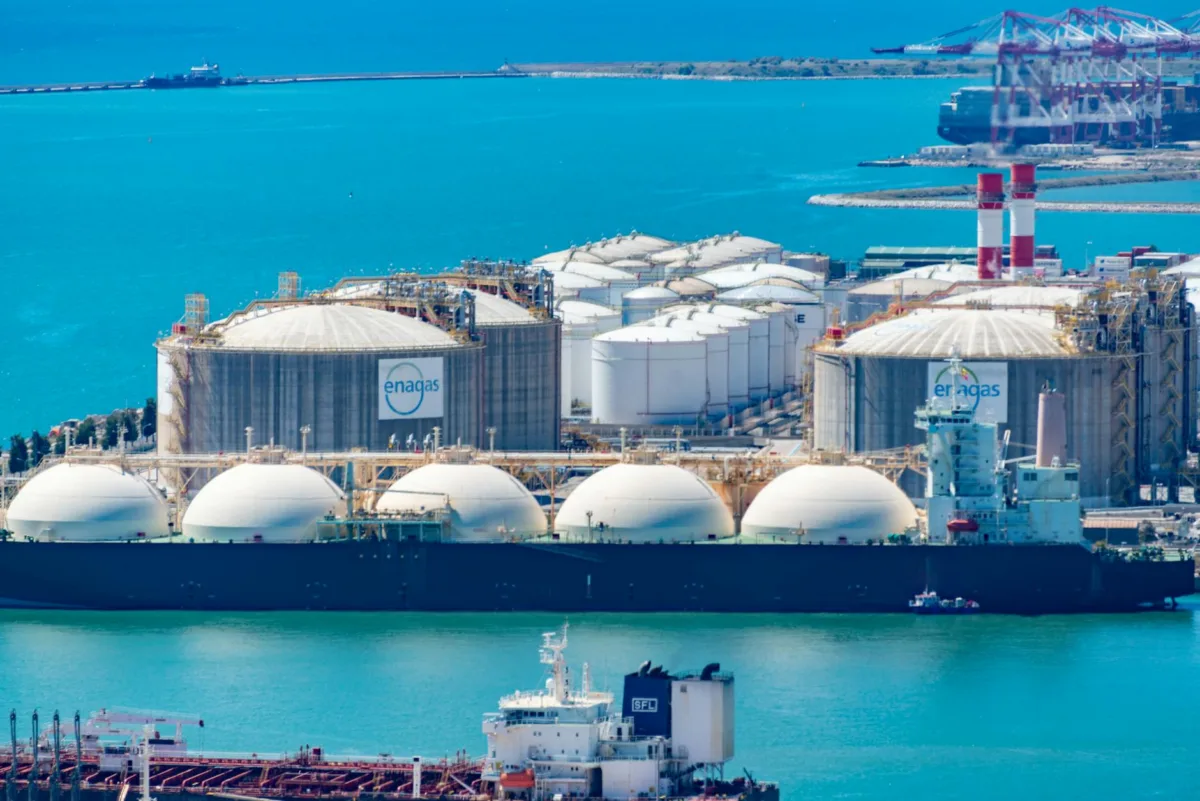
Prime Minister Carney announced a landmark agreement this week to export Canadian liquefied natural gas (LNG) to Germany, a strategic pivot designed to solidify Canada’s role as a global energy superpower. The deal, finalized in Ottawa, aims to bolster European energy security while leveraging Canada’s vast untapped natural gas reserves to meet international demand.
A Shifting Geopolitical Landscape
The agreement emerges as Europe continues to decouple from traditional energy dependencies following the geopolitical volatility triggered by the conflict in Ukraine. Germany, Europe’s largest economy, has prioritized the diversification of its energy mix to prevent future supply shocks.
Canada holds the world’s fifth-largest natural gas reserves, yet it has historically struggled to export these resources to overseas markets due to a lack of coastal liquefaction infrastructure. This deal provides the necessary impetus for accelerated investment in terminal construction and pipeline expansion.
Infrastructure and Economic Implications
The core of the agreement focuses on the development of new export capacity on Canada’s East Coast. Industry analysts note that this location provides a shorter shipping route to European ports compared to existing West Coast projects, potentially lowering transportation costs and carbon footprints.
Energy sector experts suggest the deal acts as a catalyst for private investment. “This is the signal the market has been waiting for,” says Sarah Jenkins, an energy policy analyst at the Global Resource Institute. “By aligning government policy with long-term export contracts, Canada is mitigating the risks that have historically stalled major energy infrastructure projects.”
However, the transition is not without challenges. Environmental advocacy groups have raised concerns regarding the carbon intensity of LNG extraction and the long-term viability of fossil fuel infrastructure in a net-zero future. The Canadian government maintains that the exports will replace higher-emission energy sources, such as coal, currently used in parts of the European industrial sector.
Data-Driven Energy Security
Current data from the International Energy Agency (IEA) confirms that global demand for LNG is projected to rise by over 20% by 2030. Canada’s entry into the European market positions the nation to capture a significant share of this growth, potentially adding billions to the national GDP over the next decade.
The economic impact extends beyond direct revenue. The construction of liquefaction terminals is expected to create thousands of skilled labor jobs and provide long-term tax revenue for both provincial and federal governments. These funds are earmarked for reinvestment into renewable energy research and infrastructure, a key component of the government’s dual-track energy policy.
The Road Ahead
Industry stakeholders are now watching for the regulatory approval process for the new terminal sites. The speed at which these projects move through environmental assessments will be a primary indicator of whether Canada can deliver on its promise of becoming a reliable, long-term energy partner for the West.
Observers should monitor upcoming federal budget announcements for further subsidies or loan guarantees aimed at accelerating these projects. The success of this German partnership may also serve as a blueprint for future deals with other energy-importing nations in Asia and beyond, further defining Canada’s long-term geopolitical footprint.