



Strategic Assertions in the Persian Gulf
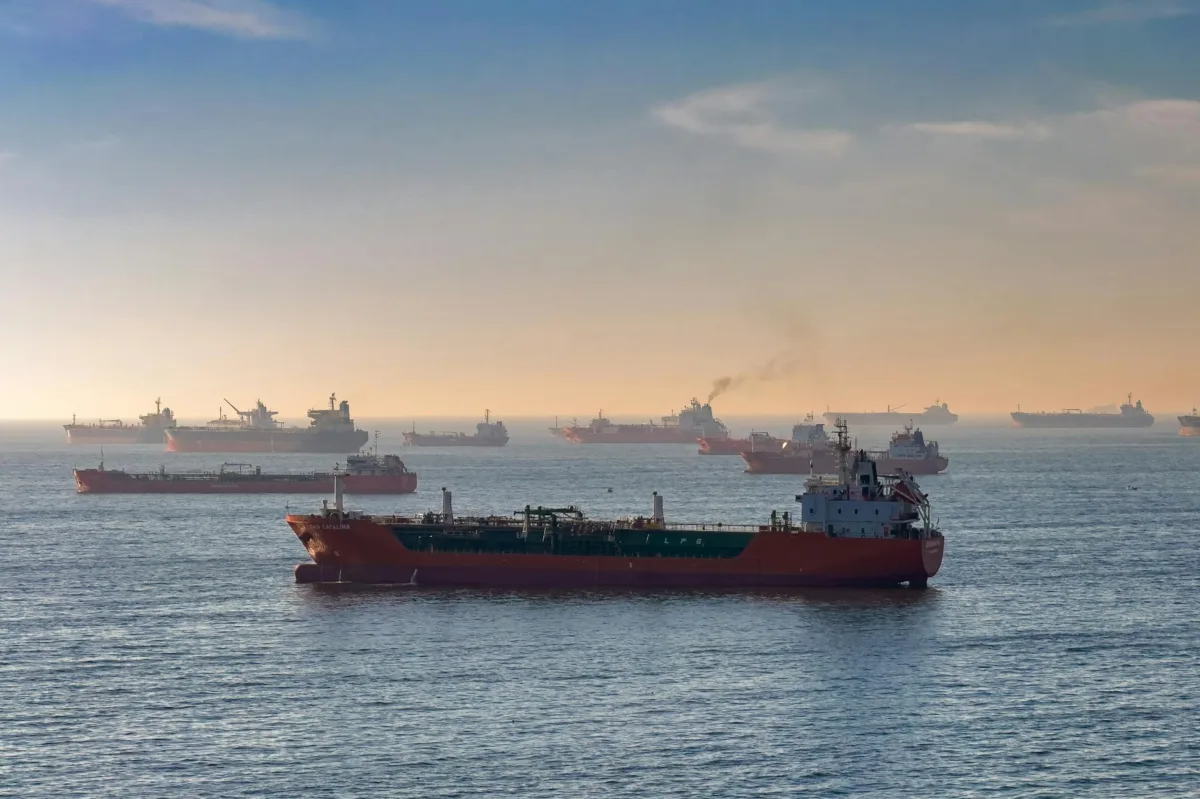
Former President Donald Trump has issued a stern warning regarding the Strait of Hormuz, declaring that no nation will be permitted to control the vital maritime chokepoint. Speaking amid ongoing regional friction, Trump stated that the United States military stands prepared to intervene and release any vessels that might be blockaded by regional actors. This declaration underscores a hardening stance on international energy security and freedom of navigation.
Context of the Maritime Standoff
The Strait of Hormuz serves as the world’s most critical oil transit artery, with approximately 20% of global petroleum consumption passing through its narrow waters daily. Historically, the waterway has been a flashpoint for geopolitical tensions, particularly between Iran and Western powers. Recent rhetoric suggests a shift toward more aggressive posture regarding the enforcement of maritime transit rights.
Military Posture and Regional Dynamics
Trump’s comments, which included threats of direct military action against nations attempting to restrict passage, have drawn significant attention to the role of regional actors like Iran and Oman. By explicitly naming these nations, the former president has signaled a departure from traditional diplomatic ambiguity. Analysts suggest this rhetoric is designed to deter unilateral blockades that could disrupt global energy markets.
Expert Analysis of Energy Security
Energy analysts note that any sustained closure of the Strait would lead to immediate, sharp spikes in global oil prices. Data from the U.S. Energy Information Administration (EIA) highlights that the dependency of Asian economies on Gulf oil makes this region a central pillar of global economic stability. Security experts emphasize that the U.S. Navy maintains a persistent presence in the region specifically to maintain these open lanes, a commitment that remains a cornerstone of American foreign policy.
Broader Geopolitical Implications
The hardening of rhetoric regarding the Strait carries profound implications for international maritime law and regional stability. Critics argue that such aggressive threats could inadvertently trigger the very escalations they seek to prevent by cornering regional powers. Conversely, supporters of this approach maintain that a credible threat of force is the only mechanism capable of ensuring reliable transit for international shipping.
Future Outlook and Watchpoints
Observers are now closely monitoring the response from Tehran and Muscat, as well as the reaction from global oil markets. The efficacy of this strategy depends heavily on whether international shipping companies perceive a genuine risk to their vessels or if the rhetoric is viewed as a domestic political maneuver. Future developments will likely center on the deployment of naval assets and the potential for increased patrols by the U.S. Fifth Fleet in the coming months.