








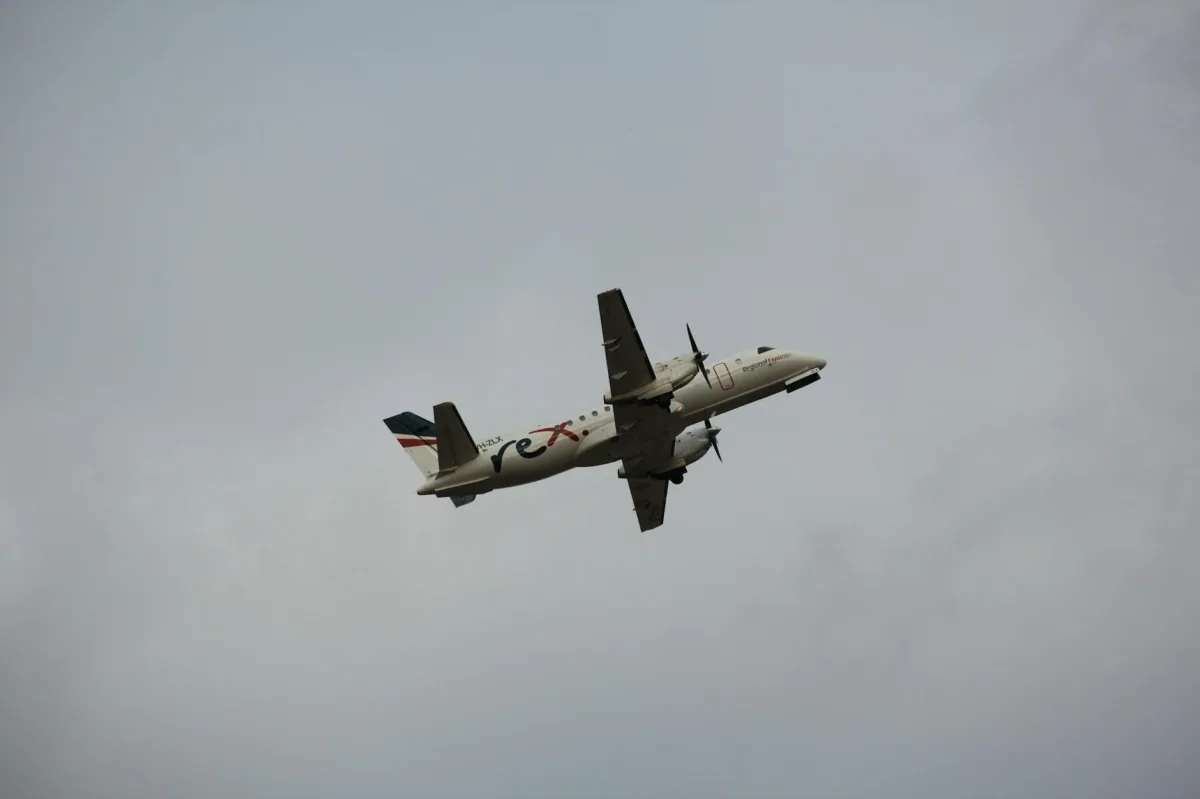
Canadian Prime Minister Mark Carney announced at a defense conference in Ottawa this week that the federal government is in active negotiations to acquire Saab’s GlobalEye airborne early warning and control (AEW&C) aircraft. The potential multi-billion-dollar procurement aims to bolster Canada’s surveillance capabilities and enhance the nation’s ability to detect and deter emerging security threats across the vast, increasingly contested Arctic region.
Expanding Arctic Surveillance Capabilities
The Arctic has become a focal point of international strategic interest as climate change opens new shipping routes and resource exploration opportunities. Canada’s current fleet of surveillance aircraft, which relies heavily on aging technology, has struggled to maintain persistent coverage over the North’s expansive and harsh environment.
The GlobalEye system, developed by Swedish defense firm Saab, is designed to provide comprehensive situational awareness. By integrating long-range radar with sophisticated sensor suites, the platform can track targets in the air, on the sea, and on the ground simultaneously, even in extreme weather conditions.
Strategic Shifts in Northern Defense
For decades, Canada’s Arctic defense strategy relied on the relative isolation of the region and cooperation through NORAD. However, increased military activity from global powers has prompted Ottawa to prioritize modernization efforts to protect its northern sovereignty.
The integration of the GlobalEye would represent a significant leap in data-sharing capabilities between Canada and its NATO allies. Defense analysts suggest that the system’s ability to feed real-time intelligence into a unified network is critical for modern multi-domain operations.
Expert Analysis and Industry Impact
Military procurement experts have long argued that Canada’s existing airborne reconnaissance assets are nearing the end of their operational lifespan. Replacing these with a platform like the GlobalEye addresses a glaring capability gap identified in recent defense policy reviews.
According to industry data, the GlobalEye platform is currently utilized by several nations to monitor complex border environments. Its multi-role functionality allows it to serve not only as a military early-warning system but also as a tool for search and rescue operations and maritime domain awareness.
Implications for Future Defense Spending
The move to acquire these aircraft signals a broader shift in Canadian defense spending toward high-tech, integrated monitoring systems. The procurement process will likely face intense scrutiny regarding cost-effectiveness, maintenance requirements, and the integration of these systems into existing Canadian Armed Forces infrastructure.
As negotiations continue, industry observers are watching for details on local industrial participation requirements. The government is expected to prioritize partnerships that keep high-tech maintenance and data-processing tasks within Canadian borders to support the domestic aerospace sector.
Moving forward, the focus will shift to the timeline of the acquisition and how quickly the Royal Canadian Air Force can train specialized crews to operate the sophisticated sensor arrays. Observers should watch for official tender announcements and potential inter-agency agreements regarding the interoperability of the GlobalEye with existing satellite and ground-based radar networks.