







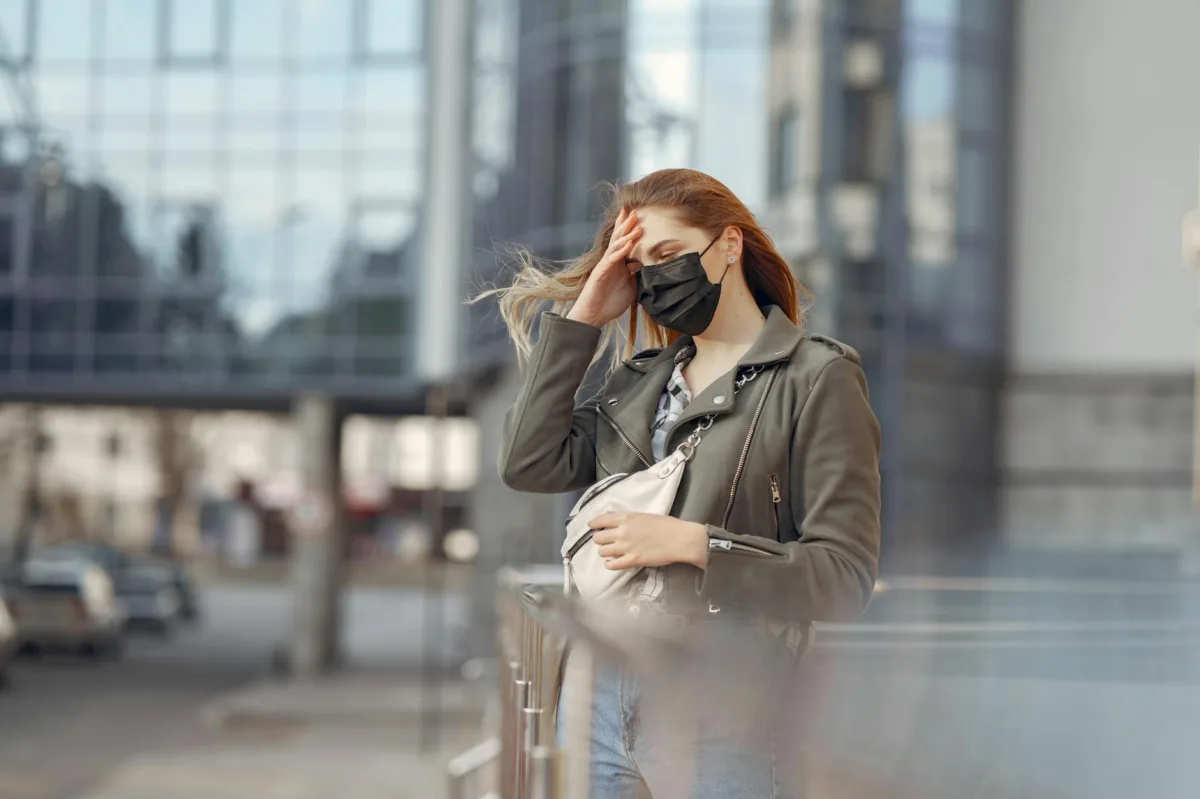
In May 2026, Violet Affleck, the daughter of actors Ben Affleck and Jennifer Garner, drew public attention when she was photographed wearing a protective face mask while accompanying her parents to an urgent care facility. The image sparked renewed national conversation regarding the ongoing use of personal protective equipment (PPE) for respiratory health in post-pandemic society.
The Context of Continued Masking
Mask-wearing became a universal public health mandate during the height of the COVID-19 pandemic, but usage has shifted significantly since the lifting of emergency orders. While the majority of the general public has moved away from daily masking, a segment of the population continues to utilize them as a precautionary measure against various airborne pathogens, including influenza and respiratory syncytial virus (RSV).
Violet Affleck has previously been vocal about her commitment to public health measures. In past public appearances and social media statements, she has advocated for the importance of protecting vulnerable populations, emphasizing that mask usage is a tool for community safety rather than solely personal defense.
Public Health Perspectives on Masking
Medical experts note that for individuals with underlying health conditions or those living with immunocompromised family members, masking remains a highly effective, non-invasive intervention. According to data from the Centers for Disease Control and Prevention (CDC), respiratory viruses continue to circulate year-round, making intermittent masking a recommended strategy for high-risk individuals in crowded or clinical settings.
Sociologists observing the trend suggest that the choice to mask has become a personal health signature for many young adults. Unlike the early years of the pandemic when masks were legally required, current usage is largely driven by individual risk assessment and a heightened awareness of long-term health outcomes, such as Long COVID.
Implications for Public Health Norms
The visibility of high-profile individuals choosing to mask in public settings reflects a broader cultural shift toward normalizing health-conscious behaviors. For the general public, this suggests that the stigma once associated with wearing a mask in non-clinical environments is dissipating in favor of individual autonomy.
Healthcare providers expect that as public awareness regarding airborne transmission grows, more people will adopt ‘situational masking’—the practice of wearing a mask only in high-risk environments like public transit, airplanes, or medical offices. This trend indicates a move toward a more flexible, personalized approach to infectious disease mitigation.
As health agencies continue to monitor seasonal virus surges, the conversation around personal protection is likely to evolve. Observers should watch for new guidelines from global health organizations regarding indoor air quality and ventilation, as these factors may eventually play a larger role in public safety discussions than individual mask-wearing alone.