








Professional Fallout and Public Apologies
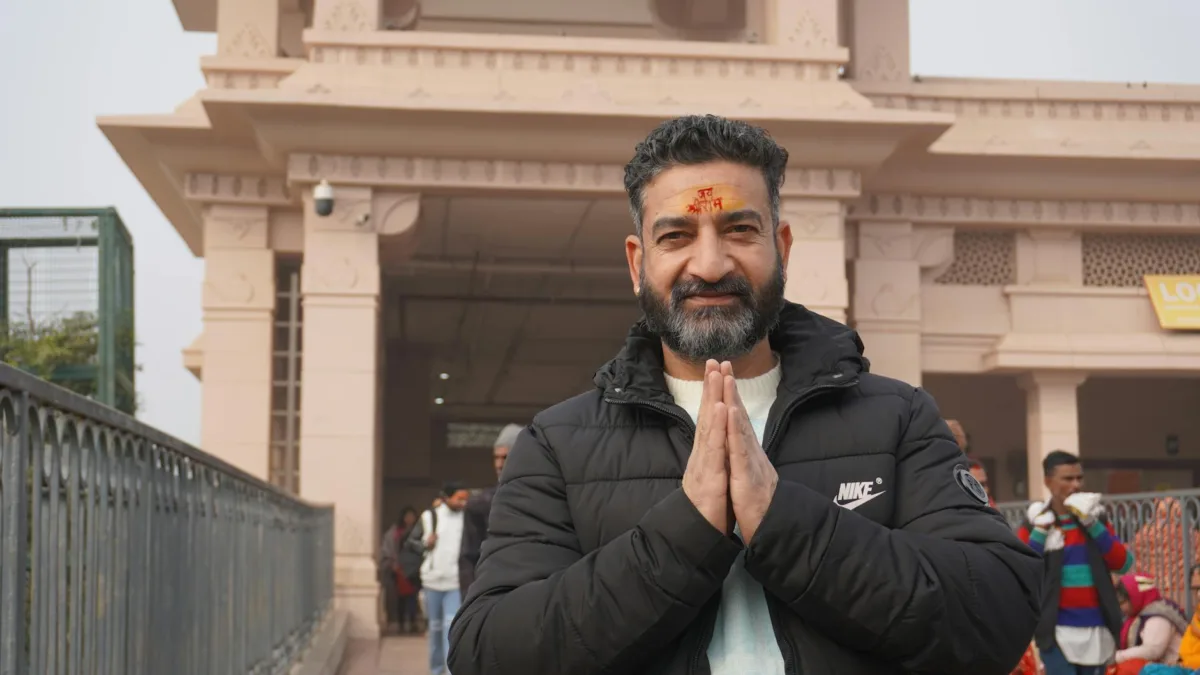
Bollywood star Ranveer Singh visited the Chamundeshwari temple in Mysuru this week to offer prayers and seek forgiveness following a controversy involving his portrayal of a character in the film Kantara. This public gesture coincides with mounting industry pressure, as the Federation of Western India Cine Employees (FWICE) has reportedly imposed a ban on the actor following his unexpected exit from the highly anticipated project Don 3.
Context of the Industry Dispute
The controversy stems from a dual-pronged crisis involving both cultural sensitivity and professional contractual obligations. The actor faced significant public and social media backlash for a mimicry performance that offended segments of the audience, leading to the religious pilgrimage in Mysuru. Simultaneously, his departure from the Don 3 franchise has triggered an unprecedented reaction from film unions, who argue that his exit has jeopardized the livelihoods of hundreds of crew members.
Industry Perspectives and Legal Debates
The decision by FWICE to issue a ban has sparked a heated debate within the Indian film industry regarding the extent of union authority. While some industry veterans, such as director Sanjay Gupta, have publicly criticized the ban as illogical—citing the negative impact on the daily-wage workforce—others emphasize the need for professional accountability. Gupta noted that the livelihoods of over 300 workers are directly impacted by the production delays, raising questions about whether a union possesses the legal standing to restrict an actor’s right to work.
Legal experts suggest that the ban may struggle to withstand judicial scrutiny. Under Indian labor and contract law, professional engagement is typically governed by specific agreements between producers and talent, rather than union-imposed mandates. Unless the actor has violated a specific, enforceable “non-compete” or “exclusive service” clause, the union’s ability to blacklist a performer remains a legally gray area that could lead to significant litigation.
The Broader Implications
This situation highlights the growing friction between traditional industry gatekeepers and the modern, high-stakes nature of Bollywood production. As studios invest larger sums into global franchises, the ripple effects of talent exits have become more severe, forcing unions to take more aggressive stances to protect production stability. However, this approach risks alienating top-tier talent who operate within increasingly complex global schedules.
Observers are now watching for how the production house behind Don 3 chooses to navigate this impasse. If the legal challenges to the ban gain momentum, it could set a landmark precedent for how film unions handle contract disputes in the future. Meanwhile, the actor’s camp remains largely silent on the professional front, focusing instead on managing the public relations fallout from the ongoing controversy. Industry stakeholders should monitor upcoming union meetings and potential litigation filings to determine if the ban will be enforced or quietly rescinded as production plans for Don 3 evolve.