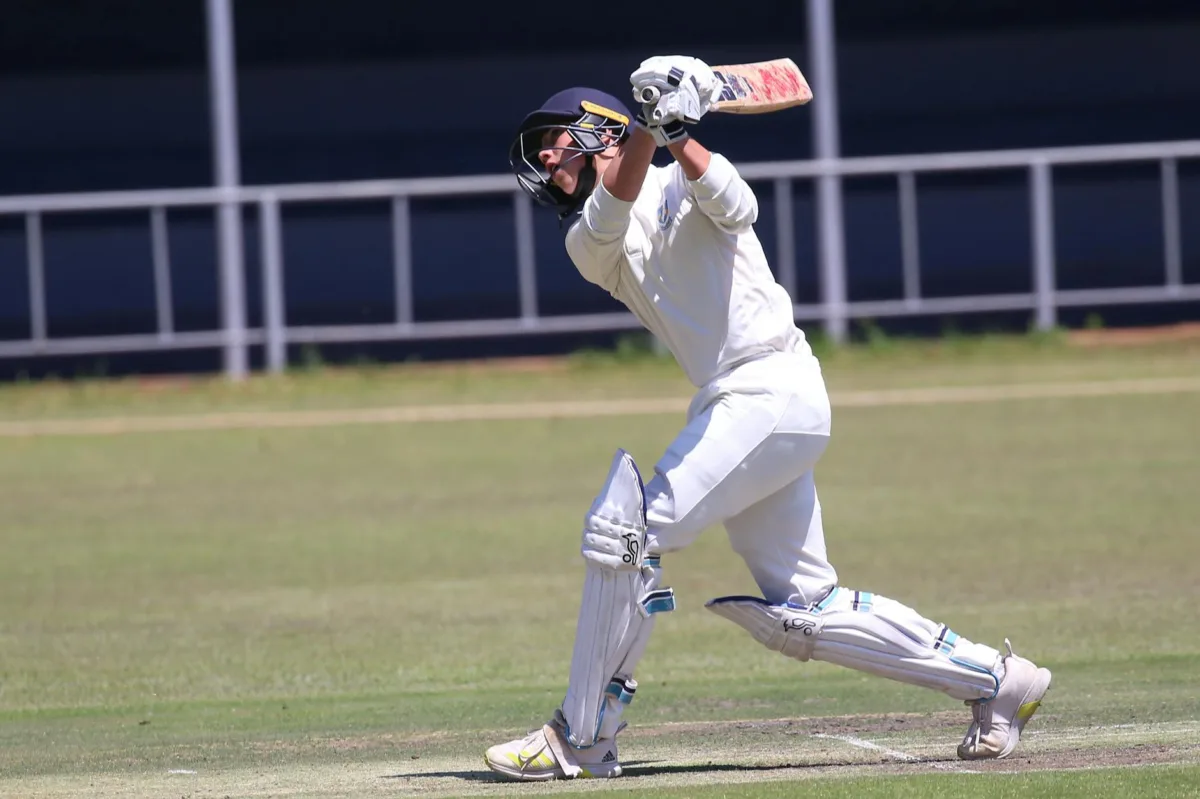








Rachin Ravindra and Tom Blundell anchored a commanding New Zealand recovery on the opening days of the only Test against Ireland in 2026, steering the tourists to a position of strength after an early collapse. The pair combined for a massive partnership that stabilized the innings, effectively silencing a buoyant Irish bowling attack that had initially capitalized on early seam movement.
A Challenging Start for the Black Caps
The Test match began under overcast skies in Ireland, where the home side opted to bowl first after winning the toss. The decision appeared justified as the Irish pace attack exploited favorable conditions, putting the New Zealand top order under immediate pressure.
The visitors suffered a significant blow before the first ball was bowled, with key strike bowler Matt Henry ruled out of the contest due to a recurring injury. This absence forced New Zealand to adjust their bowling rotation, placing increased responsibility on their remaining seamers to perform under pressure.
Strategic Shifts in the Four-Day Format
This match is notable for being played as a four-day Test rather than the traditional five-day format. The decision stems from recent scheduling adjustments within the ICC’s Future Tours Programme, designed to accommodate tighter international calendars and promote competitive equity for emerging Test nations like Ireland.
While traditionalists have debated the merit of reducing the duration of the sport’s longest format, the shorter timeframe has clearly influenced the aggressive intent shown by both sides. Scoring rates have remained high, as players recognize that there is less time to force a result, placing a premium on positive batting.
Expert Analysis and Performance Metrics
Ravindra’s century was characterized by technical precision, while Blundell’s aggressive stroke play provided the necessary momentum to push New Zealand’s total well past the 300-run mark. Statistics from ESPNcricinfo indicate that the duo maintained a strike rate significantly higher than the average for the first session, a tactical choice that neutralized the Irish bowlers’ ability to build pressure.
Cricket analysts noted that the Irish bowlers struggled to maintain their discipline as the pitch flattened out under the afternoon sun. Despite a strong start, the inability of the home side to break the partnership between Ravindra and Blundell remains a point of concern for the Irish coaching staff.
Future Implications for International Cricket
For New Zealand, this performance signals a successful transition phase as they integrate younger talent into their established Test core. The ability to recover from a top-order collapse remains a hallmark of their recent success in international conditions.
As the match progresses, observers will be watching to see how the Irish batting lineup responds to a daunting first-innings deficit. With no fifth day available to force a result, the pressure will be on Ireland to bat deep and occupy the crease for long periods to secure a draw or push for an unlikely victory. Should this four-day format continue to yield such competitive results, it may provide a blueprint for future tours involving smaller Test-playing nations.