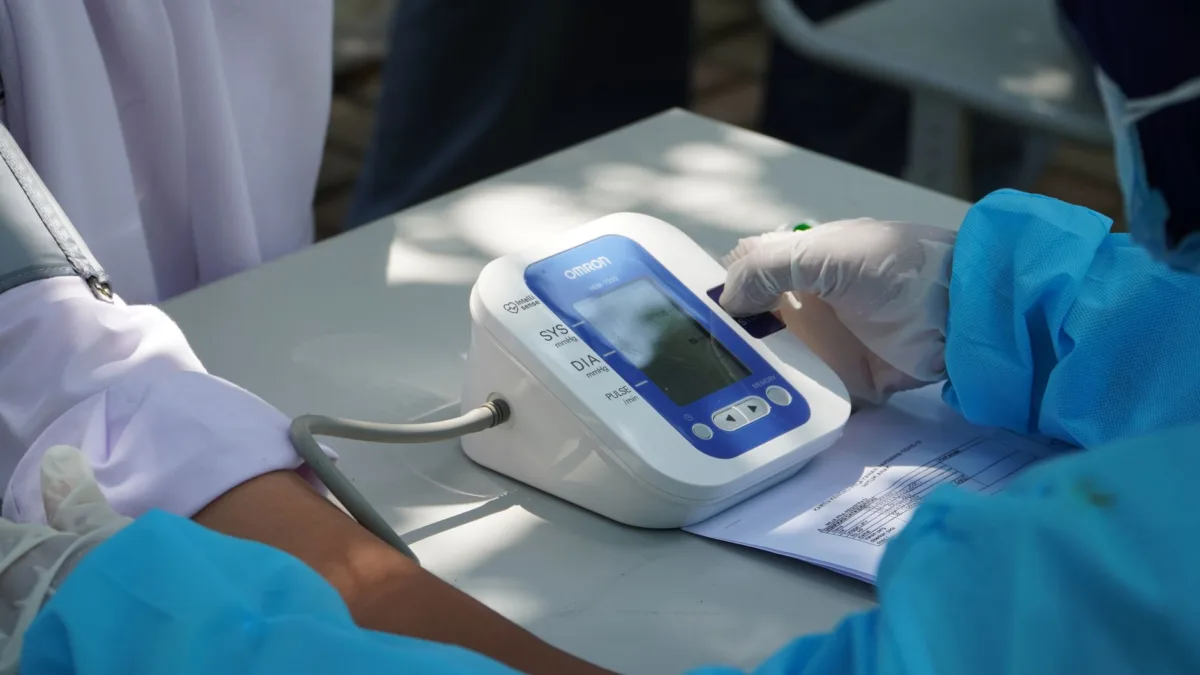








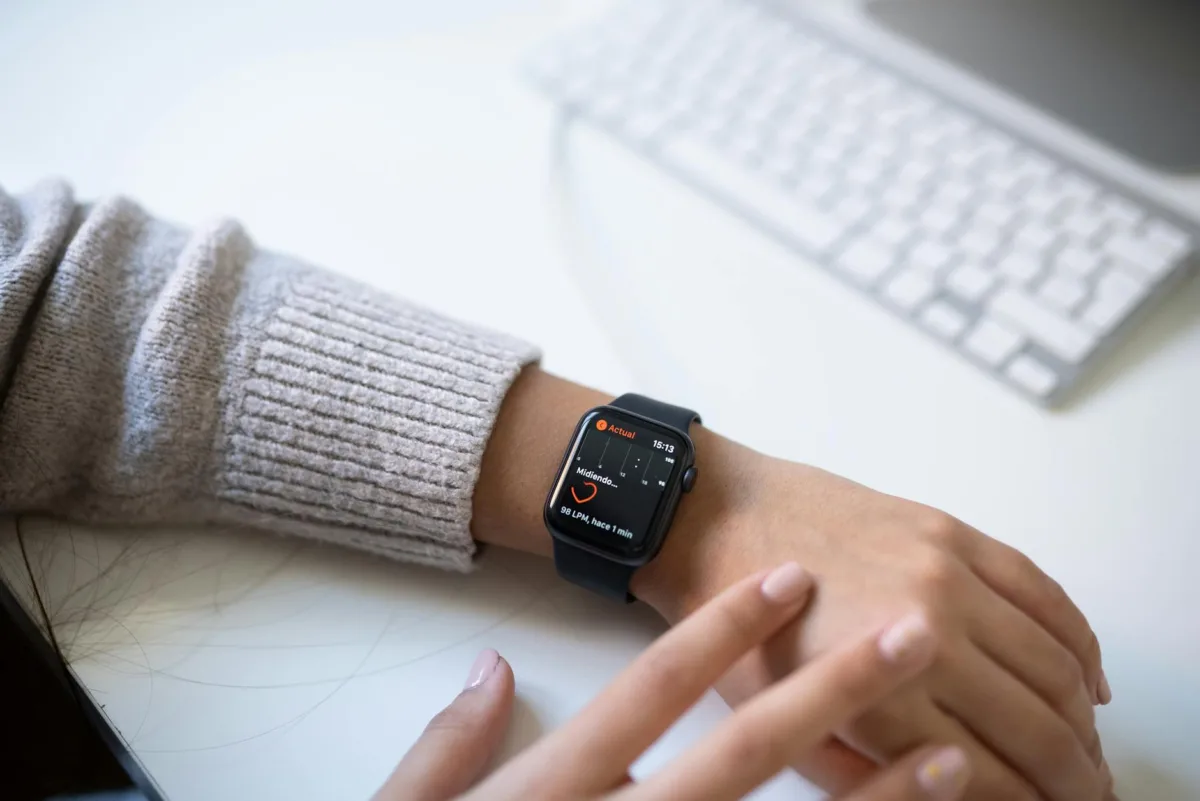
Samsung Electronics and Massachusetts General Hospital (MGH) have officially launched a collaborative clinical study this month in the United States to investigate how wearable technology can monitor patients undergoing GLP-1 receptor agonist treatment. The research aims to determine if data captured by the Samsung Galaxy Watch—including body composition, physical activity, and sleep patterns—can provide meaningful insights into the metabolic health of patients managing obesity and diabetes.
The Rise of GLP-1 Therapeutics
GLP-1 medications, such as semaglutide, have revolutionized the treatment of type 2 diabetes and chronic weight management. Despite their clinical success, healthcare providers often struggle to monitor long-term patient adherence and physiological changes outside of traditional clinical visits.
As demand for these treatments surges globally, the healthcare industry is increasingly looking toward remote patient monitoring (RPM) solutions. By integrating continuous data streams from wearables, clinicians hope to bridge the gap between infrequent doctor appointments and the daily reality of patient health.
Technological Integration in Clinical Research
The study leverages the advanced sensor suite within the Samsung Galaxy Watch, specifically focusing on Bioelectrical Impedance Analysis (BIA) technology. This sensor allows users to track body fat percentage, skeletal muscle mass, and body water, providing a more nuanced view of weight change than a standard scale.
Researchers at MGH intend to correlate this granular data with the pharmacological effects of GLP-1 agonists. The goal is to establish whether biometric trends can predict therapeutic success or highlight potential side effects before they manifest as acute clinical issues.
Expert Perspectives on Digital Health
Industry analysts suggest this partnership marks a significant shift in how tech giants approach medical research. “Moving from general wellness tracking to clinical-grade monitoring is the next frontier for wearable devices,” says Dr. Elena Rossi, a digital health consultant.
Data from the International Diabetes Federation indicates that over 500 million adults currently live with diabetes, underscoring the urgency for scalable monitoring solutions. By validating wearable data against clinical benchmarks, Samsung and MGH are setting a precedent for how consumer electronics can contribute to evidence-based medicine.
Implications for the Future of Patient Care
For patients, this research could eventually lead to personalized treatment adjustments based on real-time biometric feedback. If successful, the study may encourage insurance providers to subsidize wearable devices as part of standard chronic disease management programs.
Industry observers should watch for the study’s preliminary results, which are expected to influence future FDA guidance on digital health metrics. Furthermore, the success of this integration may prompt other wearable manufacturers to pursue similar clinical partnerships, potentially standardizing the role of smartwatches in long-term metabolic health management.