






Public Reaction to Heatwave Directives
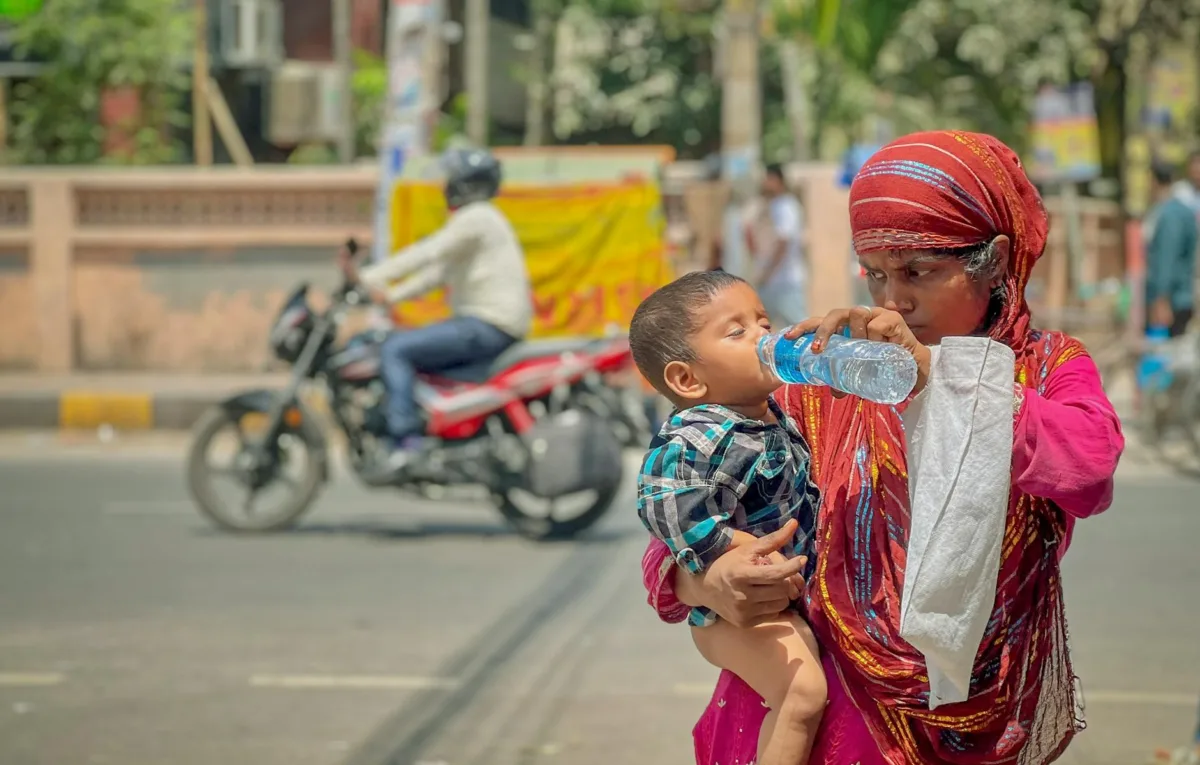
Prime Minister Narendra Modi issued a comprehensive advisory across India this week, urging citizens to adopt rigorous hydration habits and extend care to wildlife as the nation grapples with record-breaking temperatures. The directive, disseminated through official government channels, emphasizes immediate precautions to mitigate health risks associated with the ongoing extreme heatwave currently sweeping through several states. However, the announcement has triggered a sharp political divide, with opposition leaders questioning the government’s environmental track record in the face of escalating climate volatility.
Contextualizing the Climate Crisis
India is currently experiencing a sustained period of intense heat, with the India Meteorological Department (IMD) issuing multiple red alerts for various regions. The United Nations has recently identified worsening climate change as a primary driver behind the frequency and intensity of these extreme weather events in South Asia. Scientists have noted that the combination of rising global temperatures and localized urban heat island effects has made this year’s summer among the most challenging on record for the subcontinent.
The Clash Over Environmental Policy
The Prime Minister’s advisory has become a flashpoint for criticism regarding the government’s broader environmental policies. Critics, including opposition figures like Congress President Mallikarjun Kharge, have drawn a direct link between the current heat crisis and ongoing industrial developments that involve forest clearing. The core of the critique suggests a perceived hypocrisy in issuing heat-related health warnings while simultaneously approving infrastructure projects that contribute to deforestation and the loss of natural carbon sinks.
Political and Economic Tensions
Beyond environmental concerns, the heatwave has exacerbated domestic economic anxieties. Opposition leaders have utilized the discourse surrounding the heatwave to criticize the ruling Bharatiya Janata Party (BJP) over rising inflation, suggesting that the public is feeling the ‘fire’ of both high commodity prices and literal extreme weather. This intersection of climate policy and economic hardship highlights the high political stakes as the government attempts to manage the public health implications of the heatwave while maintaining its development agenda.
Expert Perspectives and Data
Climate experts argue that while individual precautions like hydration are necessary, they are insufficient to address the systemic nature of the crisis. Data from the UN Intergovernmental Panel on Climate Change (IPCC) indicates that India is among the most vulnerable nations to climate-induced heat stress, requiring a shift toward sustainable urban planning and aggressive reforestation efforts. Public health officials emphasize that the most vulnerable populations—specifically the elderly, outdoor laborers, and those in densely populated urban centers—remain at the highest risk regardless of the national discourse.
Future Implications and Outlook
As the IMD forecasts potential relief in some regions over the coming weekend, the long-term challenge remains for policymakers to reconcile industrial expansion with climate resilience. The ongoing debate suggests that future heatwave management will likely be scrutinized not just for its immediate health efficacy, but for its alignment with environmental conservation goals. Observers should monitor whether the government adjusts its forest clearance policies in response to the growing public demand for climate accountability as temperatures continue to trend upward in the coming decade.