








Escalating Confrontations in the Middle East
The United States military conducted a series of targeted strikes against Iranian-linked infrastructure this week, successfully intercepting four Iranian unmanned aerial vehicles (UAVs) and neutralizing a ground control station. These operations, occurring across multiple regional theaters, represent a significant intensification of hostilities between Washington and Tehran as both nations navigate a period of heightened geopolitical friction.
The US military stated that the strikes were a direct response to provocations aimed at American personnel and regional maritime security. Iran has characterized these actions as aggressive overreach, claiming that its own recent military maneuvers were aimed at American-affiliated bases in retaliation for the initial US strikes.
The Context of Regional Instability
The current volatility stems from a long-standing impasse regarding nuclear negotiations and the broader regional power struggle. For decades, the Strait of Hormuz has served as a critical chokepoint for global energy supplies, and it has frequently functioned as a barometer for US-Iran relations.
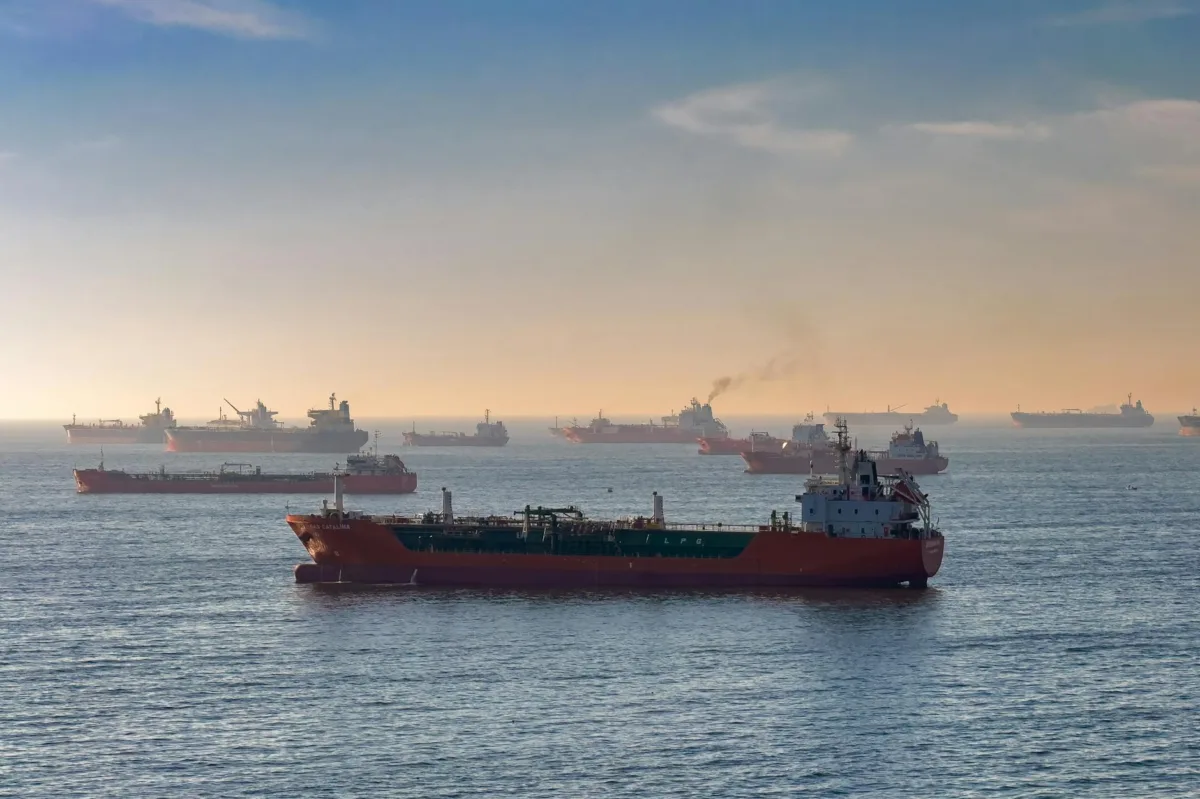
The strategic importance of sites such as the Bandar Abbas port cannot be overstated, as it serves as a primary hub for the Iranian Revolutionary Guard Corps’ naval operations. Recent reports indicate that Iran has increased its presence in the Strait, occasionally firing warning shots at vessels, which has prompted a surge in US naval patrols intended to ensure freedom of navigation.
Analyzing the Military Dynamics
The interception of the four drones highlights the increasing reliance on drone warfare in modern asymmetric conflicts. Analysts suggest that Tehran’s investment in sophisticated UAV technology is designed to challenge US air superiority without necessitating a full-scale direct confrontation.
Defense experts note that the US targeting of ground control stations is a calculated effort to degrade the operational capacity of Iranian drone networks. By attacking the command-and-control infrastructure, the US is attempting to disrupt the supply chain and logistical support that feeds regional proxy groups.
Data from regional security monitors indicates a marked increase in “gray zone” tactics over the past six months, where both sides utilize non-traditional military assets to exert pressure. These skirmishes are carefully calibrated to avoid crossing the threshold into open, declared warfare, yet the risk of miscalculation remains at an all-time high.
Broader Implications for Global Security
For the international community, these developments signal a fragile security environment in the Persian Gulf. The primary concern among energy analysts is that any disruption to shipping lanes could trigger a sharp rise in global oil prices, impacting economies already struggling with inflation.
For the domestic US audience, the strikes raise questions about the scope of the mission in the Middle East and the potential for “mission creep.” Policymakers are now forced to balance the need for deterrence against the risk of becoming entrenched in a protracted, multi-front conflict.
Looking ahead, observers should monitor whether these tactical exchanges lead to a renewed push for diplomatic channels or if they signal a permanent shift toward a more confrontational posture. Future developments will likely hinge on the effectiveness of back-channel communications and the ability of regional mediators to prevent further escalation in the coming weeks.