








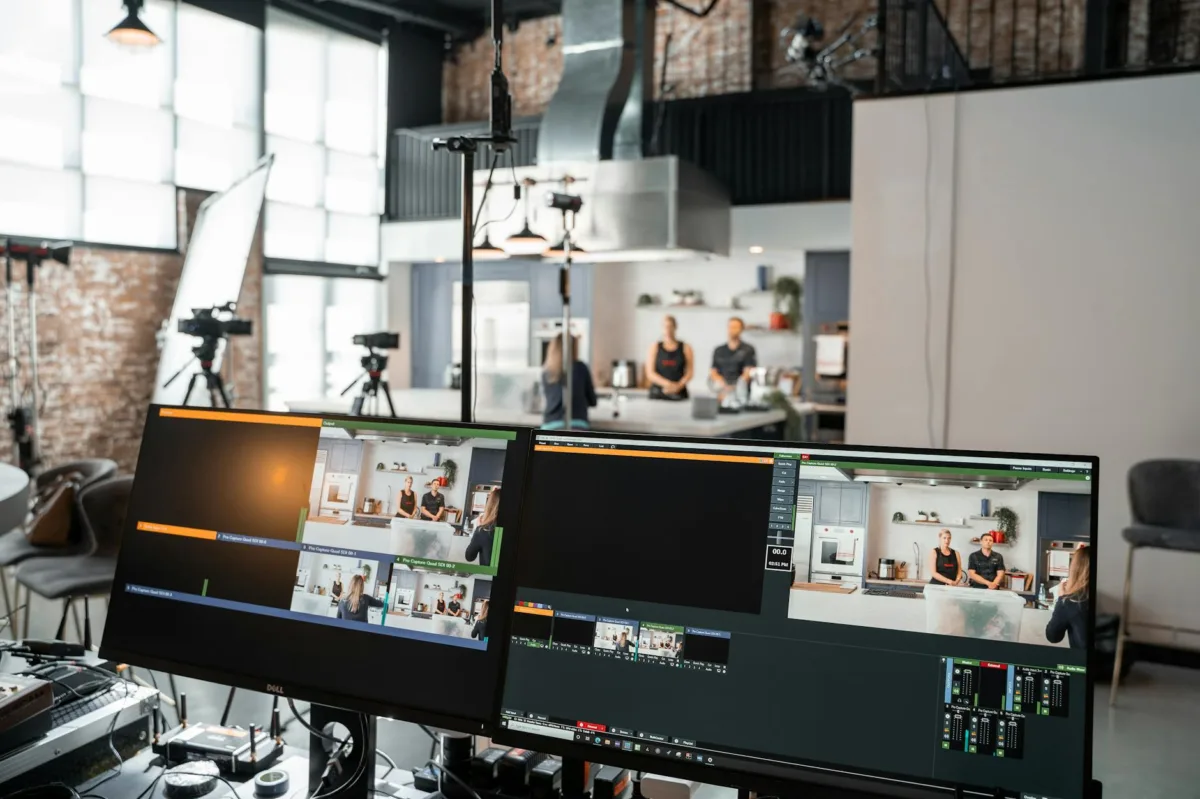
NBC News correspondent Dasha Burns recently provided viewers with an unprecedented look behind the curtain of national broadcast journalism, hosting an interactive session that combined live audience Q&A, surprise guest cameos, and candid reflections on the production process. The event, held at the network’s New York headquarters this week, aimed to demystify the complex logistics of reporting for a major news outlet in an era of heightened public scrutiny.
The Evolution of Engagement
In the modern media landscape, the barrier between news anchors and their audience has thinned significantly. Social media platforms and digital streaming have forced traditional broadcasters to adopt a more transparent approach to their craft.
Burns’ session focused on the collaborative nature of television news, highlighting the roles of producers, camera operators, and researchers who operate off-camera. By bridging the gap between the studio floor and the viewer, the initiative seeks to foster greater media literacy among a skeptical public.
Behind the Scenes of a Breaking News Cycle
The presentation detailed the rigorous pace of a typical day in a national newsroom, where the deadline is constant and information verification is paramount. Burns emphasized that the polished final product seen on television is the result of hours of intense collaboration.
Data from the Reuters Institute for the Study of Journalism indicates that trust in news media remains a global challenge, with many audiences feeling disconnected from the editorial process. Initiatives like this are designed to combat that detachment by showcasing the human effort required to confirm facts and provide context.
Expert Perspectives on Media Transparency
Industry analysts suggest that transparency is no longer optional for major news organizations. Dr. Elena Rodriguez, a professor of media studies, notes that when journalists share their process, they provide the audience with the tools to evaluate the credibility of the information they consume.
“When audiences understand the editorial rigor, the pressure of source verification, and the ethical standards upheld in a newsroom, the perception of bias often shifts toward an appreciation for the complexity of the job,” Rodriguez stated. This sentiment is echoed by network executives who are increasingly prioritizing behind-the-scenes content as a core part of their digital strategy.
Implications for Future Reporting
This shift toward radical transparency has significant implications for both journalists and viewers. For the industry, it signals a move toward more participatory journalism, where the audience is not just a consumer but an active observer of the reporting process.
As digital platforms continue to evolve, observers should watch for how other networks adapt their programming to meet the demand for authenticity. Future broadcasts may increasingly incorporate real-time feedback loops, allowing journalists to address viewer concerns and inquiries while news is still developing.