






Escalating Economic Pressure
The Trump administration announced new sanctions this week targeting a newly established Iranian agency tasked with overseeing shipping traffic through the Strait of Hormuz. This move marks a significant intensification of the ongoing economic pressure campaign against Tehran, aiming to curb its influence over one of the world’s most critical maritime chokepoints.
The Strategic Significance of the Strait
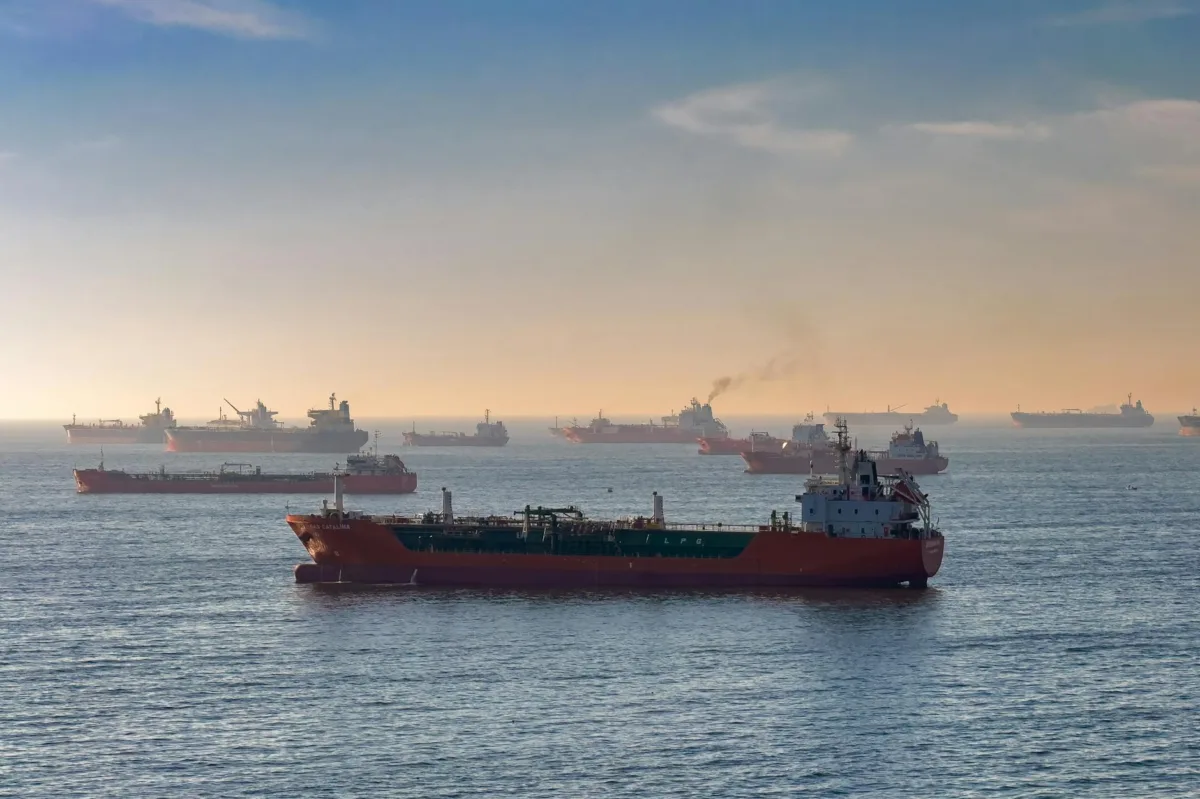
The Strait of Hormuz serves as a vital artery for the global energy market, with approximately one-fifth of the world’s oil supply passing through its narrow passage daily. Historically, the waterway has been a flashpoint for geopolitical tensions, as Iran has frequently threatened to disrupt tanker traffic in response to international sanctions and military posturing.
The newly sanctioned Iranian entity was created to consolidate administrative control over these waters. By imposing these measures, the United States seeks to isolate the agency from the international financial system, effectively hampering its ability to operate or influence commercial shipping lanes.
Sanctions as a Tool of Statecraft
Economic sanctions have become the primary instrument of U.S. foreign policy toward Iran, designed to force Tehran to the negotiating table by draining its fiscal resources. The Treasury Department has increasingly focused on entities that facilitate the regime’s ability to project power or bypass international maritime regulations.
According to recent analysis from the Foundation for Defense of Democracies, the administration is prioritizing the disruption of logistical networks that support Iran’s maritime ambitions. By targeting this specific agency, the U.S. aims to prevent the formalization of Iranian authority over the Strait, which Washington views as an attempt to legitimize potential future blockades or harassment of commercial vessels.
Regional and Global Implications
The sanctions represent a direct challenge to Iran’s maritime strategy, potentially forcing the country to choose between further economic isolation or a reduction in its naval posturing. For the shipping industry, the uncertainty surrounding the Strait continues to drive up insurance premiums for tankers navigating the Persian Gulf.
Industry analysts warn that while these sanctions may not cause an immediate shift in physical control of the waterway, they increase the risk of miscalculation. If Tehran views the economic pressure as an existential threat, experts suggest it may increase its use of asymmetric naval tactics to demonstrate its continued reach.
Monitoring Future Developments
As the sanctions take effect, observers will be watching to see how the international shipping community responds to the new legal restrictions. The effectiveness of this policy will likely depend on whether key global partners choose to align with U.S. enforcement or continue to interact with Iranian maritime logistics.
Future developments will center on whether Iran attempts to circumvent these sanctions through shell companies or by shifting administrative responsibilities to entities not currently on the U.S. blacklist. The stability of global energy prices will remain tethered to the diplomatic and military signals emanating from the Strait in the coming months.