








Escalating Regional Conflict
The United States and Iran engaged in a second round of direct hostilities this week, as Iranian forces launched a missile toward Kuwait that was successfully intercepted by regional defense systems. This strike followed a series of targeted U.S. military operations against Iranian-backed positions, marking a significant escalation in the ongoing geopolitical instability across the Persian Gulf.
Context of the Escalation
The current volatility stems from a long-standing cycle of indirect conflicts that have recently shifted toward direct confrontation. Over the past several months, regional tensions have been exacerbated by disputes over maritime security, nuclear enrichment policies, and the deployment of proxy forces in neighboring countries.
Military analysts note that the recent exchange of fire represents a departure from the ‘shadow war’ tactics that have characterized U.S.-Iran relations for decades. By directly targeting sovereign territory, the participants have moved into a phase of overt kinetic engagement.
Tactical Developments and Defense Responses
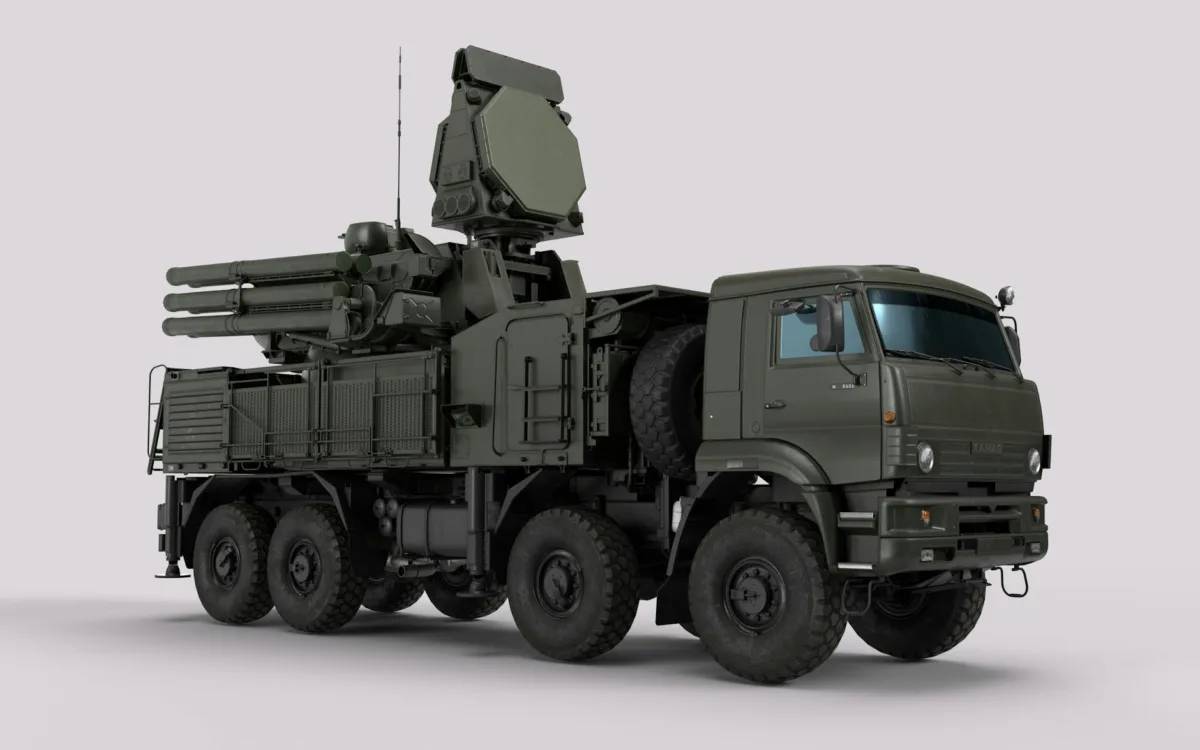
The missile fired toward Kuwait was identified as a short-range ballistic projectile, according to defense officials in the region. Local forces deployed interceptor batteries, successfully neutralizing the threat before it could impact civilian or military infrastructure.
In the preceding days, the U.S. military conducted precision strikes against logistical hubs and command centers linked to Iranian revolutionary guard operations. The Department of Defense stated these actions were intended to deter further aggression against coalition forces stationed in the Middle East.
Expert Perspectives
Security experts emphasize that the speed of these escalations leaves little room for traditional diplomatic cooling-off periods. Dr. Elena Vance, a senior fellow at the Center for Global Security, notes that the risk of miscalculation is at its highest point in years.
Data from regional intelligence monitors indicates an increase in military hardware movement across the borders of neighboring states. This activity suggests that both nations are preparing for a sustained period of high-alert status, regardless of the immediate tactical outcome of the latest exchanges.
Global Implications
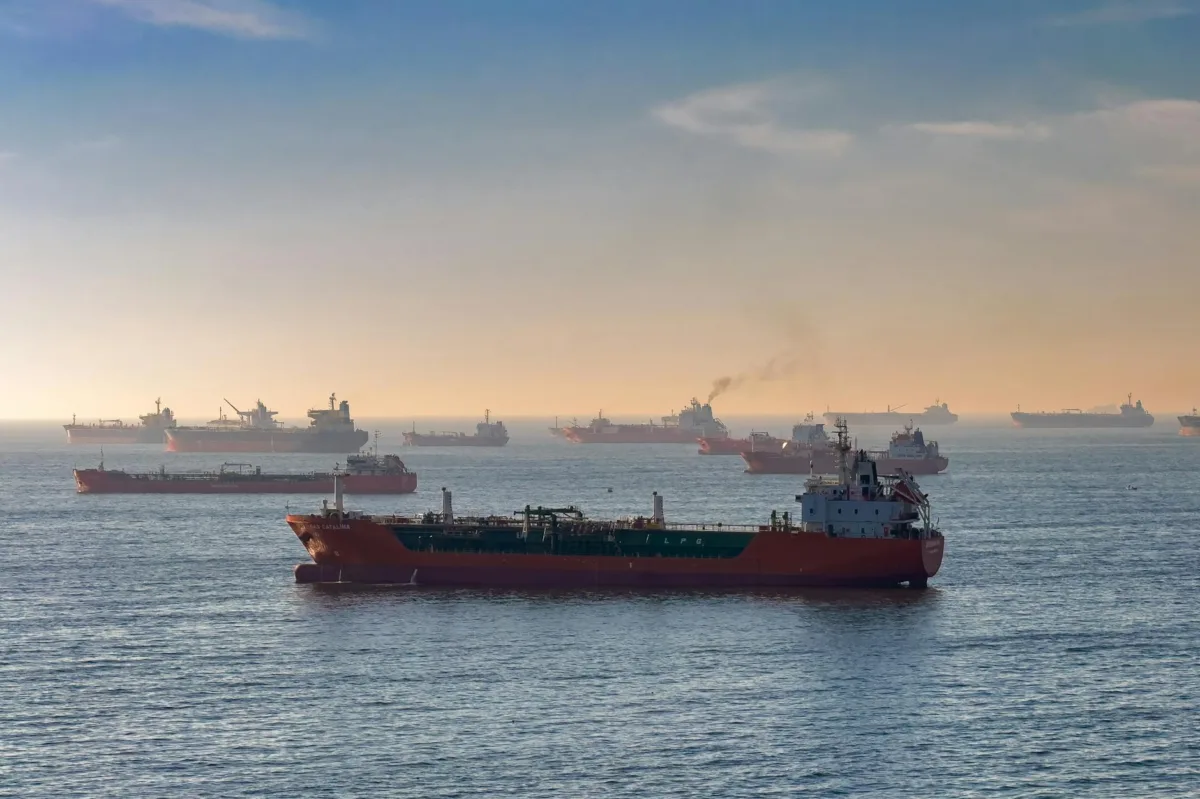
For the global energy market, these developments have already prompted a noticeable rise in oil prices. As the Persian Gulf serves as a critical artery for international shipping, any sustained conflict threatens to disrupt global supply chains and increase the cost of crude oil.
International observers are closely monitoring potential shifts in alliances, as regional neighbors attempt to balance their security partnerships with the United States against their proximity to Iranian influence. The diplomatic fallout is expected to dominate upcoming sessions of the United Nations Security Council.
Looking Ahead
The coming days will be critical in determining whether these exchanges remain localized or expand into a wider regional conflict. Market analysts will be watching for any announcements regarding the deployment of additional carrier strike groups or further defensive posture adjustments by Gulf Cooperation Council nations. The focus remains on whether back-channel diplomatic efforts can prevent a third, more devastating round of direct fire.