







The United States Treasury Department announced a new round of sanctions on Tuesday, targeting Iran’s military-linked oil sales and logistics networks to curb the regime’s ability to fund regional instability. The measures, which involve the designation of the Hormuz Strait authority and threats against international actors facilitating Iranian trade, represent a significant tightening of the economic blockade initiated by Washington to disrupt Tehran’s revenue streams.
Context of the Escalation
These sanctions follow a pattern of escalating economic warfare aimed at isolating Iran’s paramilitary operations. For years, the U.S. has targeted Iran’s petroleum sector to diminish the resources available to the Islamic Revolutionary Guard Corps (IRGC), which manages large portions of the country’s oil exports.
Recent reports highlight efforts by Iran to circumvent these restrictions through intermediaries in the Persian Gulf. The U.S. government has specifically focused its attention on the Hormuz Strait, a critical maritime chokepoint, where it claims Iranian authorities are attempting to impose illegal tolls on international shipping.
Targeting Logistics and Financial Channels
The latest Treasury directives go beyond oil tankers, extending to the aviation and logistics infrastructure that supports Iran’s military maneuvers. Treasury officials have explicitly warned that the U.S. will move to block Iranian airlines from accessing international landing spots, refueling services, and global ticket distribution networks.
“We will aggressively target any actors facilitating these tolls or providing logistical support for illicit trade,” a spokesperson for the U.S. Treasury stated. This warning extends to traditional allies, including Oman, as Washington seeks to pressure regional neighbors to sever ties that allow Iranian vessels to bypass sanctions monitoring.
Expert Perspectives and Economic Impact
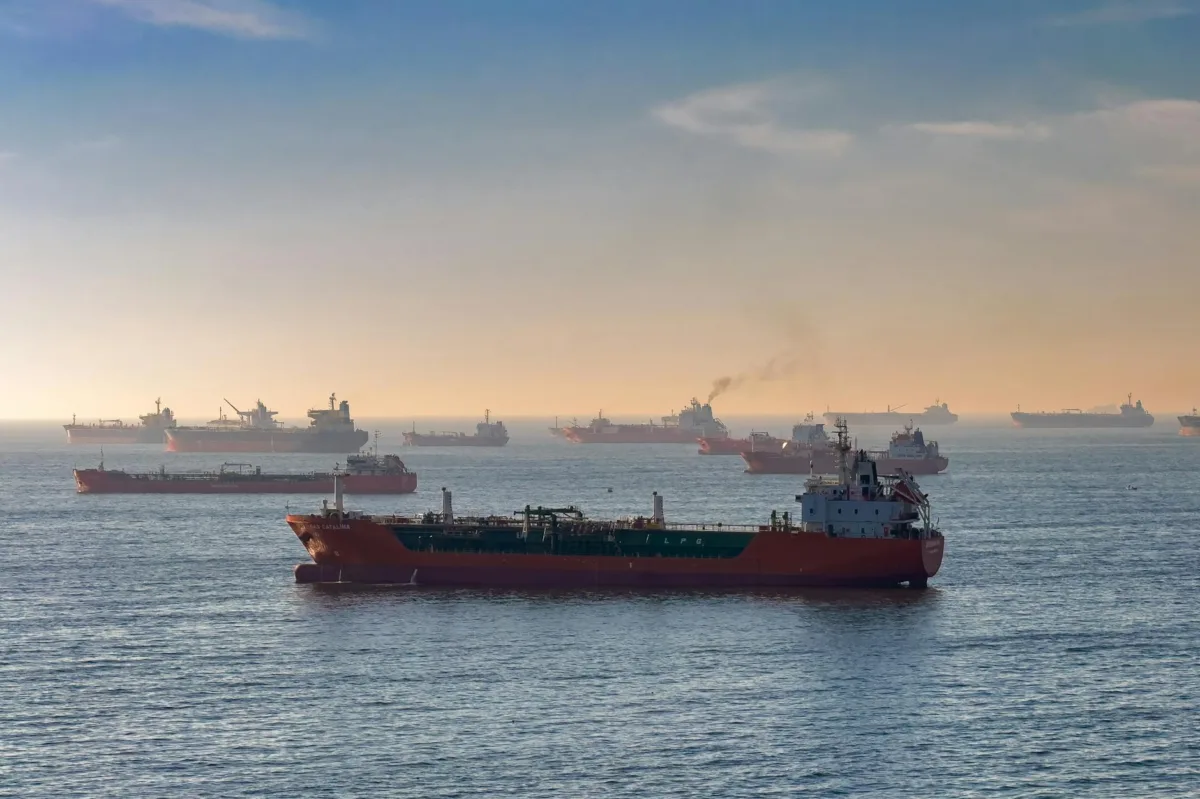
Market analysts suggest that while these sanctions are designed to be surgical, they create significant friction for regional logistics providers. Energy data indicates that Iran has relied on a “shadow fleet” of tankers to move oil to Asian markets, often masking the origin of the crude to avoid detection.
According to maritime tracking data, the enforcement of these sanctions requires extensive cooperation from international insurers and port authorities. By threatening to sanction third-party facilitators—including those in neutral or allied nations—the U.S. is effectively raising the cost of doing business with Tehran to levels that many commercial entities find prohibitive.
Future Implications for Global Trade
The move signals that the U.S. is prepared to deepen its confrontation with any entity, regardless of diplomatic standing, that assists in the financing of Iranian military operations. This approach suggests a shift toward a more aggressive enforcement model that prioritizes the disruption of supply chains over traditional diplomatic negotiations.
Observers should watch for the reaction of major regional players in the Persian Gulf as they navigate the pressure from Washington. Future developments are likely to hinge on whether the U.S. follows through on threats against specific infrastructure projects in Oman and the extent to which these measures impede the flow of crude oil through the Strait of Hormuz in the coming months.