









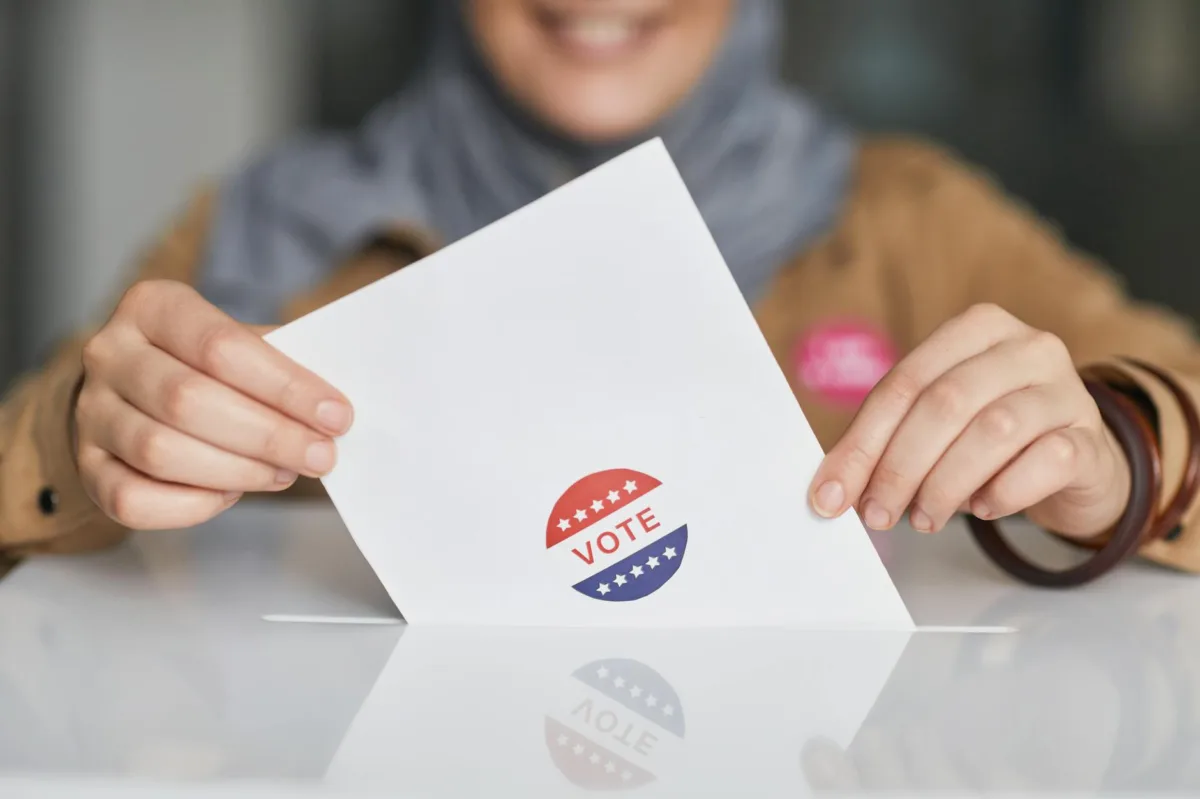
California Governor Gavin Newsom signed emergency legislation on Friday designed to insulate state election infrastructure from potential federal interference, just days before the state’s primary election. The move, enacted in Sacramento, establishes new legal protections for local election officials and reinforces the autonomy of California’s voting systems against external directives.
Context of the Legislative Action
The urgency of the measure stems from ongoing national debates surrounding the role of federal oversight in state-run elections. With the primary election scheduled for next Tuesday, state officials expressed concerns that shifting federal policies could disrupt established ballot counting procedures and voter registration protocols.
California has consistently maintained a decentralized approach to voting, relying on county-level administration to manage logistics. This new legislation formalizes that structure, ensuring that state law remains the primary governing authority for all electoral processes within its borders.
Ensuring Procedural Continuity
The legislation explicitly prohibits federal agencies from seizing or modifying state election equipment without explicit judicial oversight. It also mandates that any attempt to alter voter databases must be met with immediate legal scrutiny from the California Attorney General’s office.
Proponents of the bill argue that these safeguards are necessary to maintain public confidence in the democratic process. By clarifying the boundaries between state and federal jurisdiction, the state aims to prevent confusion among local poll workers during the high-stakes primary.
Expert Perspectives and Data
Election law experts suggest that the move reflects a broader trend of states asserting sovereignty over their electoral processes. According to a 2023 report by the Brennan Center for Justice, nearly 20 states have introduced legislation to clarify the limits of federal intervention in local voting administration.
“The legal landscape regarding election administration is becoming increasingly fragmented,” noted Dr. Elena Rodriguez, a political science professor specializing in constitutional law. “States are prioritizing the stability of their own systems to avoid the logistical chaos that federal mandates can sometimes inadvertently cause during an active election cycle.”
Broader Implications for the Industry
For election officials, the law provides a clear legal shield that simplifies decision-making under pressure. It reduces the risk of conflicting directives, allowing counties to focus on ballot security and voter accessibility without the threat of sudden federal policy shifts.
However, critics of the legislation suggest that it could complicate future cooperation between state and federal agencies on cybersecurity threats. The challenge remains in balancing the need for local autonomy with the necessity of a unified federal response to large-scale cyberattacks on national infrastructure.
Looking Ahead
As California approaches Tuesday’s primary, the focus will shift to how these protections function in practice should any challenges arise. Observers will be closely monitoring the interaction between state election boards and federal agencies in the coming weeks to see if this legislative model is adopted by other states ahead of the general election cycle later this year.