








A Presidential Pardon for a Bovine
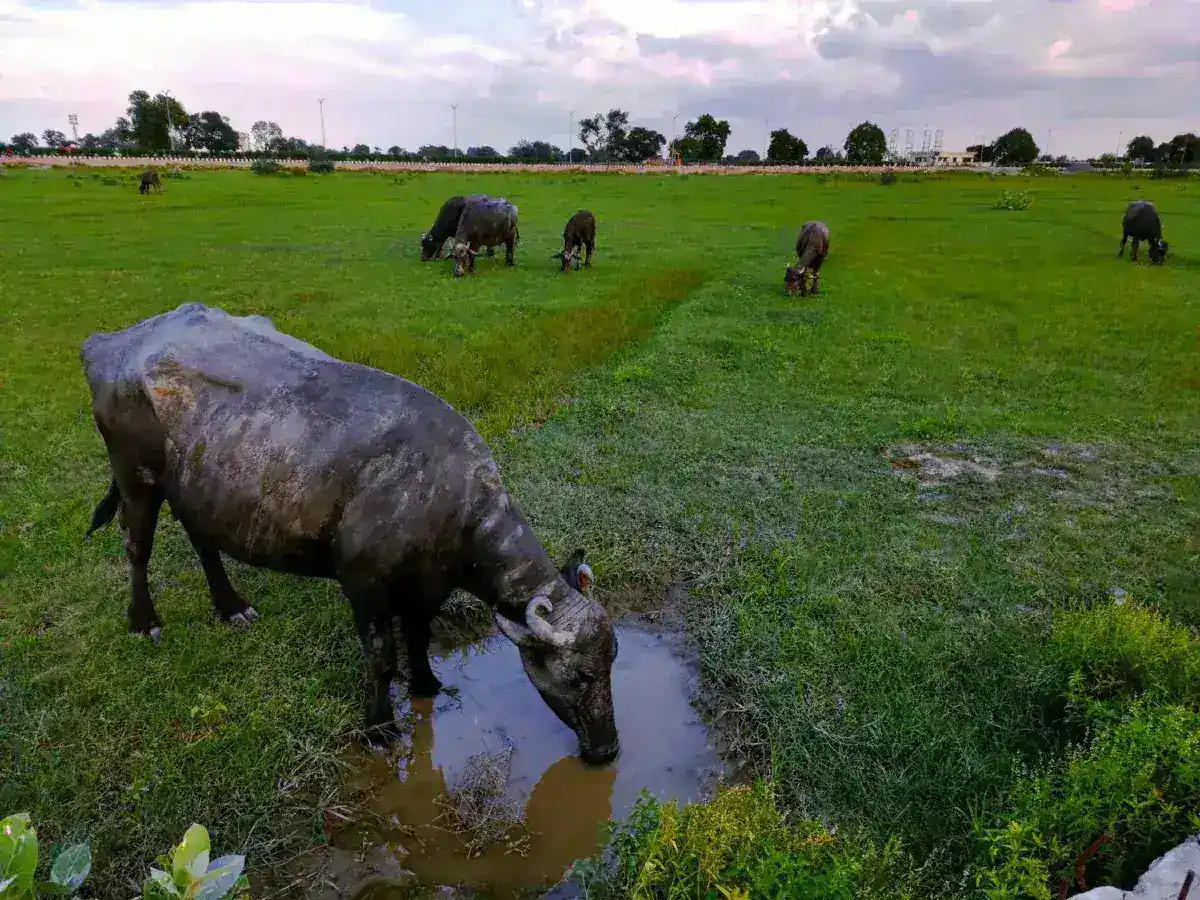
A viral social media sensation in Bangladesh, a prized buffalo named ‘Donald Trump’ by its owner, was officially spared from slaughter during the recent Eid al-Adha festival this week. The animal, which gained notoriety for its distinctive blonde-tinted hair, was relocated to a government-run zoo in Dhaka after public fascination turned the creature into a national celebrity.
The Context of Sacrifice
Eid al-Adha, often referred to as the ‘Festival of Sacrifice,’ is one of the most significant religious holidays in the Islamic calendar. During this period, millions of livestock, including cattle, goats, and buffalo, are sacrificed to commemorate the Prophet Ibrahim’s devotion to God. These animals are typically purchased from specialized markets in the days leading up to the holiday.
From Market to Zoo
The buffalo’s owner, Mohammad Hasan, originally brought the animal to a market in the Pabna district with the intent of selling it for the holiday. However, the animal’s unique appearance—characterized by a yellowish, messy mane that bears a striking resemblance to the former U.S. President—attracted massive crowds of onlookers and media attention. As the photos circulated across social media platforms, the buffalo became a viral phenomenon.
Public Sentiment and Official Intervention
The intense public interest shifted the narrative from commerce to conservation. Local authorities and animal welfare advocates expressed concern that the animal’s newfound status made it a symbol rather than a commodity. Following discussions with the owner, the government intervened to secure the buffalo’s future by moving it to the National Zoo in Mirpur, ensuring it would not meet the fate originally intended for it at the market.
Expert Perspectives
Animal behaviorists note that such instances of ‘celebrity’ animals often highlight a shifting cultural perspective regarding the role of livestock in modern society. While the sacrifice remains a deeply ingrained religious practice, the ability of social media to humanize specific animals has created a new category of ‘protected’ livestock. Data from local agricultural departments suggest that while millions of animals are processed annually, the trend of sparing specific animals due to viral fame is a growing, albeit rare, occurrence.
Industry Implications
For the agricultural industry in Bangladesh, this event underscores the increasing influence of digital platforms on traditional commerce. Livestock traders are finding that animal aesthetics and social media visibility can drastically alter market dynamics. Future market cycles may see an increase in farmers attempting to capitalize on ‘unique’ looking animals, potentially disrupting traditional supply chains during peak religious seasons.
What to Watch Next
Observers are now looking toward the upcoming holiday seasons to see if this trend of ‘viral pardons’ becomes a recurring phenomenon. There is also the question of whether the National Zoo will see an influx of requests to house other ‘famous’ animals, forcing a re-evaluation of zoo capacity and public exhibition policies. As the digital and agricultural worlds continue to collide, the intersection of viral fame and traditional practice will likely remain a point of cultural tension.