




The Strain of Economic Isolation
Tehran is currently navigating a precarious economic landscape as it weighs the long-term sustainability of its resistance against comprehensive U.S. sanctions. Iranian leadership is attempting to determine if the nation can endure persistent fiscal hardship long enough to leverage its position for greater concessions during ongoing negotiations with Washington.
Contextualizing the Blockade
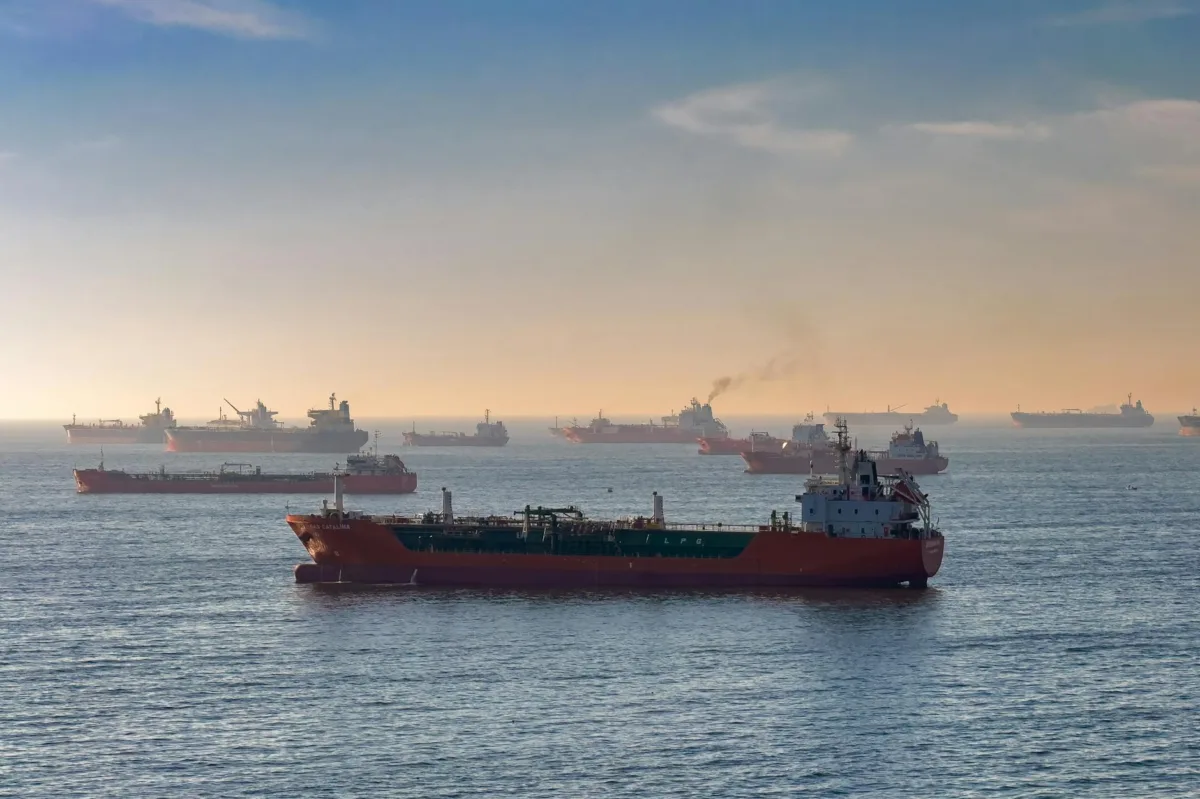
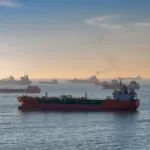
The current economic pressure stems from a multi-year campaign of maximum pressure initiated by the United States, which has effectively severed Iran from global financial systems. By targeting Iran’s oil exports, shipping, and banking sectors, the U.S. has aimed to force a change in Tehran’s regional policies and nuclear ambitions. The Iranian economy has responded with significant inflation, a devalued currency, and a shrinking middle class, forcing the state to pivot toward alternative trade partners in Asia.
The Domestic Economic Reality
Inside Iran, the cost of living has surged, creating mounting domestic pressure on the government to provide relief. According to reports from the World Bank, Iran’s economic growth has remained stagnant, hampered by limited access to foreign exchange reserves. Despite these hurdles, Tehran has utilized a network of illicit exports and informal trade routes to keep its economy functional, albeit at a significantly reduced capacity.
Expert Perspectives on Strategic Endurance
Economists tracking the region suggest that Iran’s resilience is rooted in its ability to adapt to a siege economy. By diversifying its domestic production and deepening ties with China and Russia, Tehran has mitigated some of the total collapse predicted by early sanction proponents. However, analysts warn that this strategy is not infinite, as the degradation of national infrastructure and the lack of foreign investment are creating long-term structural vulnerabilities that cannot be easily repaired.
Geopolitical Leverage and Negotiation
The fundamental question remains whether the economic pain will force a shift in Tehran’s strategic stance or strengthen its resolve to resist Western demands. Iranian officials maintain that the sanctions have only solidified the state’s drive for self-sufficiency. Meanwhile, Washington continues to link the easing of sanctions to strict compliance and a broader regional security framework, leaving little room for a mid-term compromise.
Future Implications and Market Outlook
Moving forward, observers are closely monitoring the impact of potential new, more aggressive enforcement mechanisms on Iranian export routes. The stability of the global oil market remains contingent on these developments, as any sudden change in Iran’s export capacity could trigger price volatility. The coming months will be critical in determining whether the current stalemate persists or if either side will find the political space to initiate a substantive policy shift.