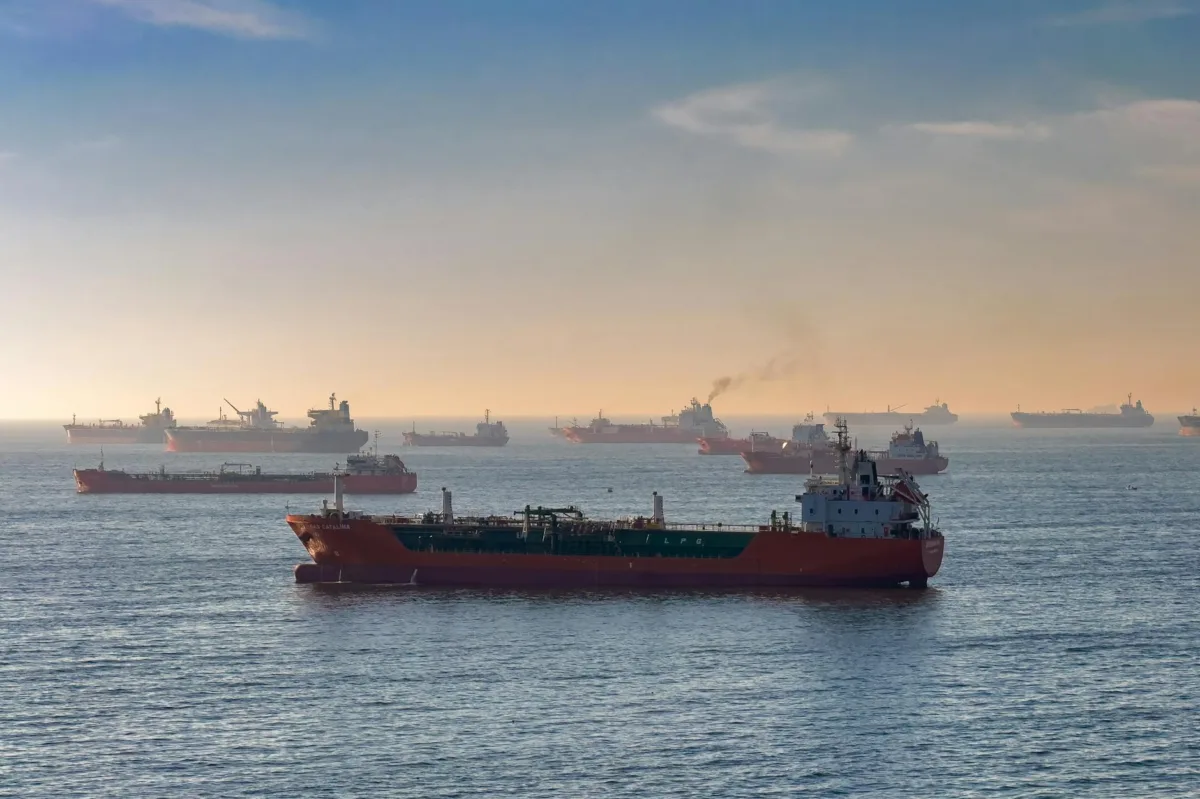







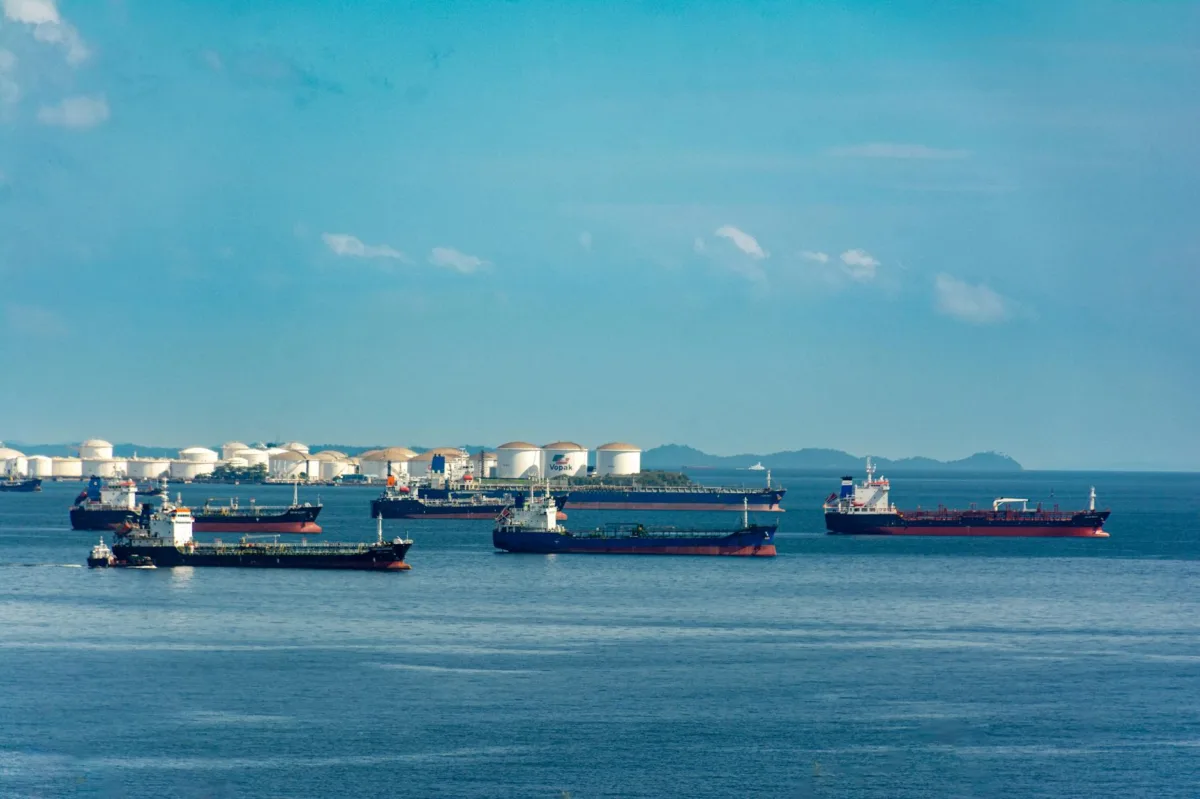
Iran has successfully circumvented international sanctions to export billions of dollars in crude oil to China, relying on a sophisticated, clandestine network of aging tankers operating in international waters. This shadow fleet, characterized by vessels that frequently disable tracking transponders and engage in ship-to-ship transfers, has provided a critical economic lifeline to Tehran throughout 2023 and 2024.
The Mechanics of Evasion
The core of this operation involves the systematic obfuscation of oil origins. Older tankers, often purchased through shell companies located in jurisdictions with lax maritime oversight, frequently switch off their Automatic Identification Systems (AIS) to avoid detection by global monitoring agencies.
Once hidden from satellite tracking, these vessels often conduct ship-to-ship transfers in remote areas of the South China Sea or the Persian Gulf. By mixing Iranian crude with oil from other sources, operators create a blended product that is difficult to trace, allowing it to enter the Chinese market as non-sanctioned supply.
Context of Global Sanctions
The United States and its allies have maintained rigorous sanctions on Iran‘s energy sector since the 2018 withdrawal from the Joint Comprehensive Plan of Action (JCPOA). These measures aim to restrict the regime’s ability to fund regional proxies and military expansion by cutting off its primary revenue stream.
Despite these efforts, industry data from organizations like United Against Nuclear Iran (UANI) suggest that Iran’s oil exports have climbed to multi-year highs. Analysts attribute this shift to a combination of increased demand from independent Chinese refineries, known as “teapots,” and a growing appetite for discounted energy products.
Expert Analysis of the Shadow Fleet
Maritime security experts note that the fleet used for these illicit activities is increasingly comprised of vessels nearing the end of their operational life, often exceeding 20 years of age. These ships pose significant environmental risks, as they lack the stringent maintenance and safety oversight required by international maritime law.
“The proliferation of this shadow fleet creates a two-tier global maritime system,” says Claire Jungman, Chief of Staff at UANI. “It is not just about sanctions evasion; it is about the degradation of safety standards on the high seas, which threatens the integrity of global shipping lanes.”
Economic and Geopolitical Implications
For the global energy market, this illicit flow acts as a price dampener, effectively increasing supply despite formal restrictions. However, it also creates significant friction between Washington and Beijing, as the U.S. continues to pressure China to curtail its imports of Iranian energy.
For industry stakeholders, the primary concern remains the lack of transparency in the crude market. Banks and insurers are increasingly wary of the risks associated with financing or covering vessels that may have interacted with the shadow fleet, leading to higher premiums and stricter compliance requirements across the energy sector.
Future Outlook and Monitoring
Observers are now watching for potential legislative responses from the U.S. Congress, including the potential expansion of secondary sanctions targeting intermediaries in the illicit trade. Furthermore, advancements in satellite-based artificial intelligence are enabling authorities to better map the movement of “dark” vessels in real-time.
The effectiveness of these detection technologies will likely determine the future viability of Iran’s export strategy. As regulatory scrutiny intensifies, the cost of operating this shadow network may eventually outweigh the profit margins, forcing a shift in how Iran navigates its isolation from the global financial system.