








A New Standard in Wearable Form Factors
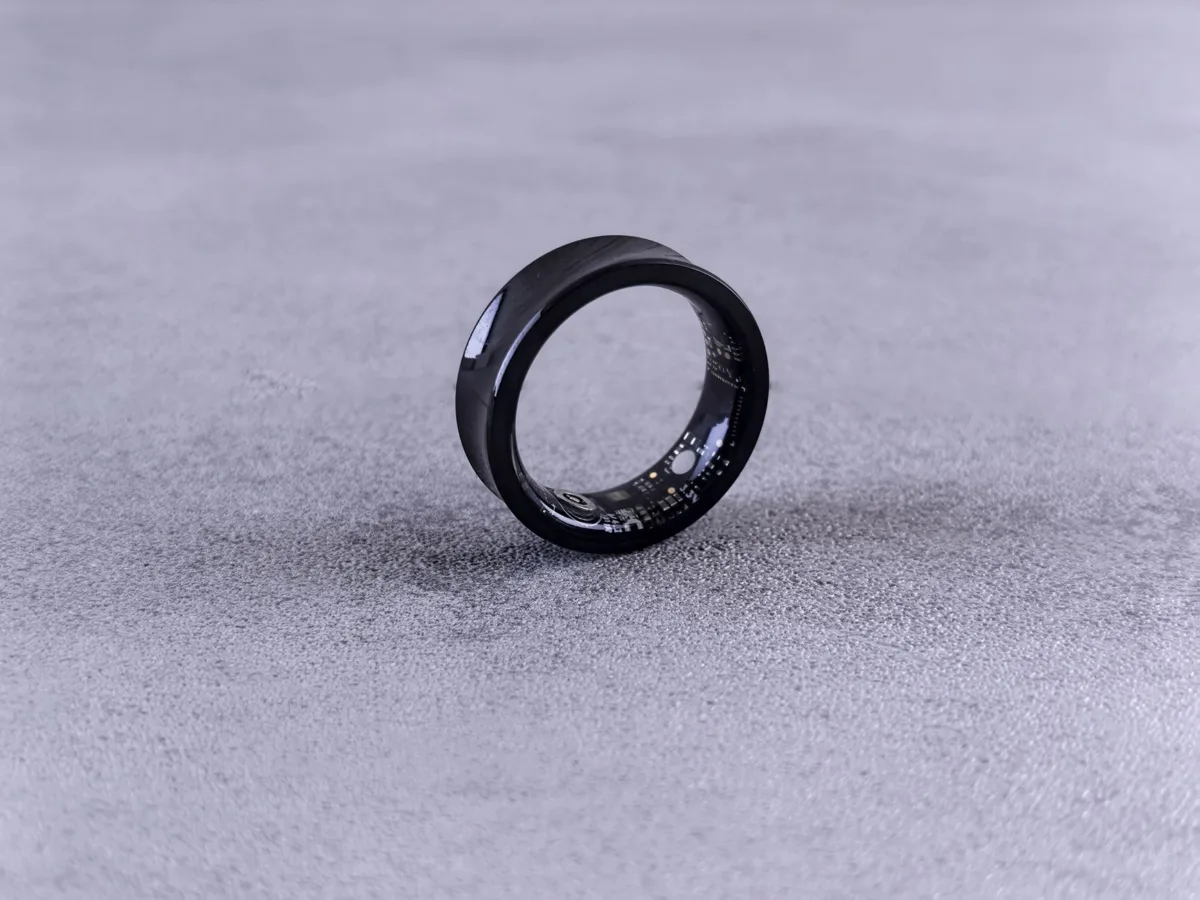
Finnish health-tech company Oura Health officially launched the Oura Ring 5 this week, marking a significant milestone as the world’s smallest smart ring. Designed to compete in an increasingly crowded wearable market, the device features a 40% reduction in size compared to its predecessor, positioning the company for its highly anticipated initial public offering (IPO).
The Evolution of Smart Ring Technology
Since the introduction of the first Oura Ring, the wearable sector has pivoted from bulky wrist-worn trackers to discreet, jewelry-like health monitors. The industry has seen a massive influx of investment, with tech giants and startups alike racing to capture the growing demographic of consumers who prefer aesthetics over traditional digital watch interfaces.
Refining the Sensor Array
Despite its diminished footprint, the Ring 5 incorporates advanced sensor technology capable of detecting subtle changes in blood pressure and identifying sleep disturbances with higher precision. Engineers at Oura utilized a proprietary micro-circuitry design to compress the internal components without sacrificing battery longevity or data accuracy.
Industry Context and Market Positioning
Market analysts suggest that the launch of the Ring 5 is a calculated move to solidify Oura’s market share before the company goes public. By addressing the primary consumer complaint regarding ring bulkiness, Oura aims to differentiate itself from competitors like Samsung and various new entrants in the smart ring space.
Data from recent industry reports indicate that the global smart wearable market is expected to grow at a compound annual growth rate of 15% through 2030. Oura’s focus on long-term biometric tracking—specifically sleep health and cardiovascular recovery—has helped the company maintain a loyal subscription base, which remains a key metric for potential public market investors.
Expert Perspectives
Industry experts note that the success of the Ring 5 will hinge on the reliability of its new blood pressure monitoring capabilities. Unlike traditional cuff-based monitors, Oura’s approach relies on photoplethysmography (PPG) sensors to track vascular trends, a technology that requires rigorous clinical validation to gain widespread consumer trust.
“The reduction in size is the most significant hardware update in the company’s history,” says independent technology analyst Sarah Jenkins. “By making the ring indistinguishable from standard jewelry, Oura is removing the final barrier to entry for the general consumer who wants health insights without the ‘tech-heavy’ look.”
Looking Ahead
As Oura moves toward its IPO, the market will be watching to see how the company scales its manufacturing processes to meet the demand for the smaller form factor. Observers should monitor future regulatory filings for indications of how the company plans to integrate AI-driven health coaching into its subscription ecosystem, as this will likely be the primary driver for sustained revenue growth post-IPO.