









Shifting Dynamics in Karnataka Politics
Karnataka Chief Minister Siddaramaiah has publicly confirmed that he declined an offer to join the Rajya Sabha, reinforcing his commitment to state-level governance amidst a period of intense political recalibration in Bengaluru. The announcement, confirmed this week, arrives as the ruling Congress party navigates internal pressures and external scrutiny, particularly surrounding the leadership trajectory of Deputy Chief Minister D.K. Shivakumar.
The Weight of Historical Precedent
The current political climate in Karnataka is defined by a deep-seated trend that has seen the ruling party frequently ousted from power in state assembly elections over the last four decades. This historical cycle creates a high-stakes environment for the Congress leadership, which is now looking toward the 2026 assembly horizon with an objective to break the pattern of anti-incumbency. Analysts suggest that the stability of the current administration depends heavily on maintaining a unified front while balancing the ambitions of powerful regional figures.
Leadership Challenges and Public Perception
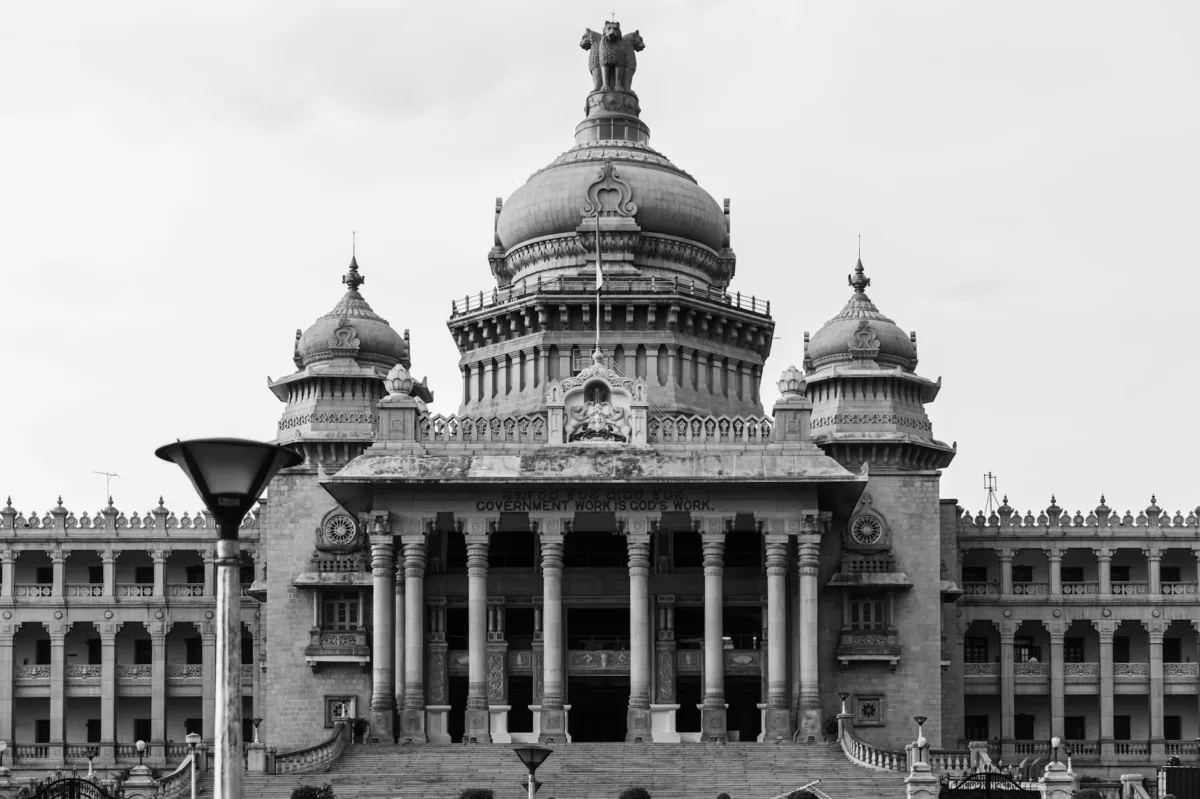
D.K. Shivakumar, who has long been a central figure in the state’s political machinery, faces the monumental task of consolidating party support to secure a second consecutive term for his government. His journey, marked by a resilient rise from Sathanur to the halls of the Vidhana Soudha, is now under the microscope as he attempts to navigate complex caste dynamics and intra-party friction. Recent protests by the Kuruba community, who have accused the Congress party of sidelining Siddaramaiah, highlight the precarious nature of maintaining the party’s traditional coalition of supporters.
Expert Perspectives on Political Stability
Political observers note that the refusal of a Rajya Sabha seat by a veteran leader like Siddaramaiah serves as a tactical signal to both his supporters and detractors. According to political analysts, this move is intended to project a sense of continuity and defiance against those who might seek to diminish his influence within the state apparatus. Data from recent local governance surveys indicate that while the Congress retains a strong voter base, the challenge lies in managing the expectations of various demographic groups that feel their representation is slipping.
Future Implications for the State
The coming months will be critical as the Congress high command evaluates the effectiveness of its current leadership duo in addressing public grievances and internal dissent. Observers should watch for shifts in cabinet appointments and outreach programs targeted at the Kuruba and other influential communities to gauge the party’s success in mitigating current tensions. If the party fails to address these underlying fractures, the 40-year trend of electoral volatility in Karnataka may prove difficult to reverse in the next cycle.