








Wrestling Federation Challenges Judicial Directive
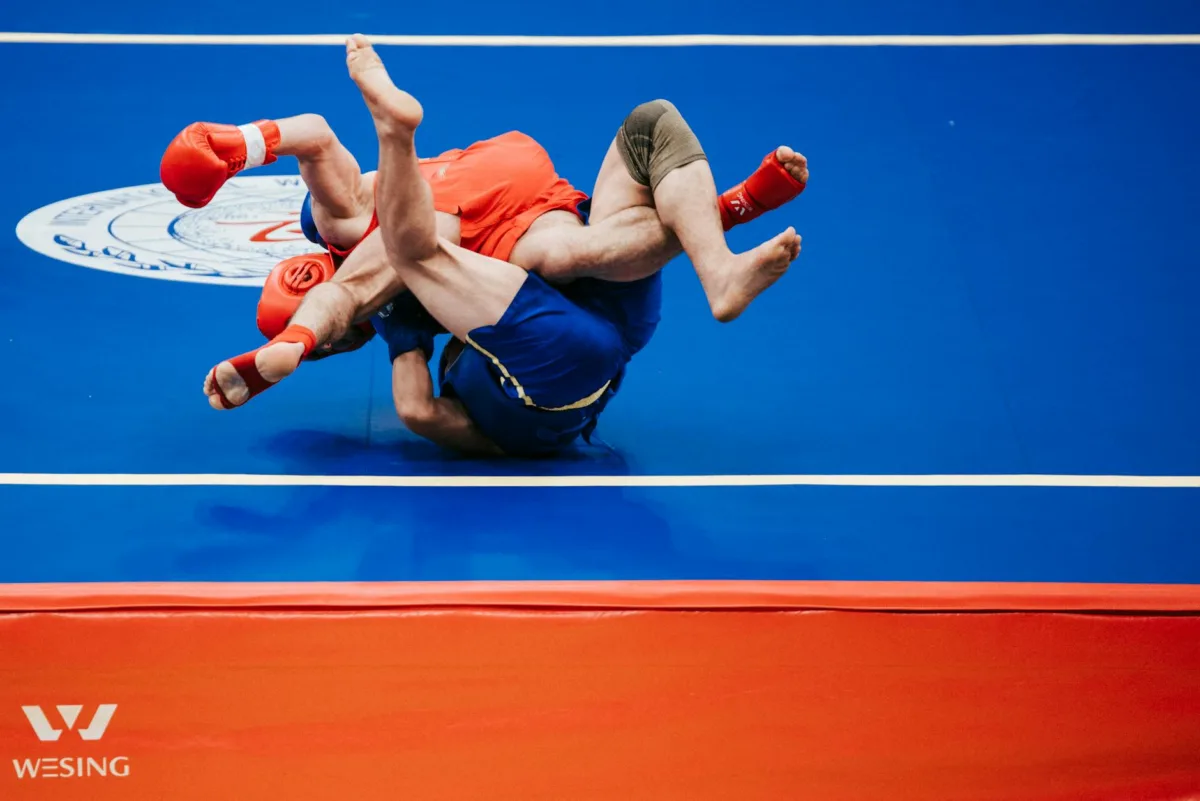
The Wrestling Federation of India (WFI) has officially filed a petition in the Supreme Court of India this week to challenge a recent Delhi High Court order that cleared the way for wrestler Vinesh Phogat to participate in major competitive events. The legal escalation follows a judicial mandate that effectively overruled the federation’s previous restrictions, sparking a complex dispute over administrative authority and athlete eligibility within the sport.
Context of the Selection Dispute
The controversy stems from ongoing friction between the national wrestling body and top-tier athletes regarding internal selection protocols. Vinesh Phogat, a decorated international medalist, has been at the center of a broader movement seeking transparency and reform in how the federation manages training camps and tournament qualifications.
The Delhi High Court had originally ruled in favor of the athlete, citing the need to prioritize merit and individual performance in national representation. The federation, however, maintains that its internal regulations and disciplinary frameworks must be upheld to ensure institutional integrity and uniform standards for all wrestlers.
Institutional Authority vs. Individual Rights
The WFI’s appeal to the Supreme Court highlights a fundamental tension between national sporting federations and individual rights. Legal analysts note that this case serves as a litmus test for how much autonomy sports bodies possess in determining their own internal rules versus the oversight powers of the judicial system.
“The core of this matter rests on the extent to which a national federation can exercise discretionary power over athlete selection without violating constitutional principles of fairness,” says a legal expert familiar with sports litigation. The federation argues that if the court’s order is allowed to stand, it may set a precedent that undermines the established hierarchy of sports governance.
Impact on the Wrestling Landscape
This legal battle has significant implications for the professional trajectories of many Indian athletes. Beyond the immediate case of Phogat, the outcome will likely influence how future selection disputes are handled, potentially forcing a restructuring of the federation’s bylaws to align with more transparent, court-monitored selection processes.
Data from the Ministry of Youth Affairs and Sports indicates that internal grievances in national sports federations have reached a five-year high, suggesting a systemic breakdown in administrative mediation. For the wrestling community, this instability creates uncertainty as athletes prepare for upcoming international qualifications and global championships.
Monitoring Future Developments
Industry observers are now watching for the Supreme Court’s decision on whether to stay the High Court’s order, which would effectively bar the athlete from competing until the final verdict is reached. The ruling is expected to have a ripple effect on the governance of other sports federations currently facing similar allegations of mismanagement and opaque decision-making. As the legal proceedings move forward, the wrestling community remains in a state of flux, waiting for a definitive resolution that balances administrative authority with the career aspirations of elite competitors.