








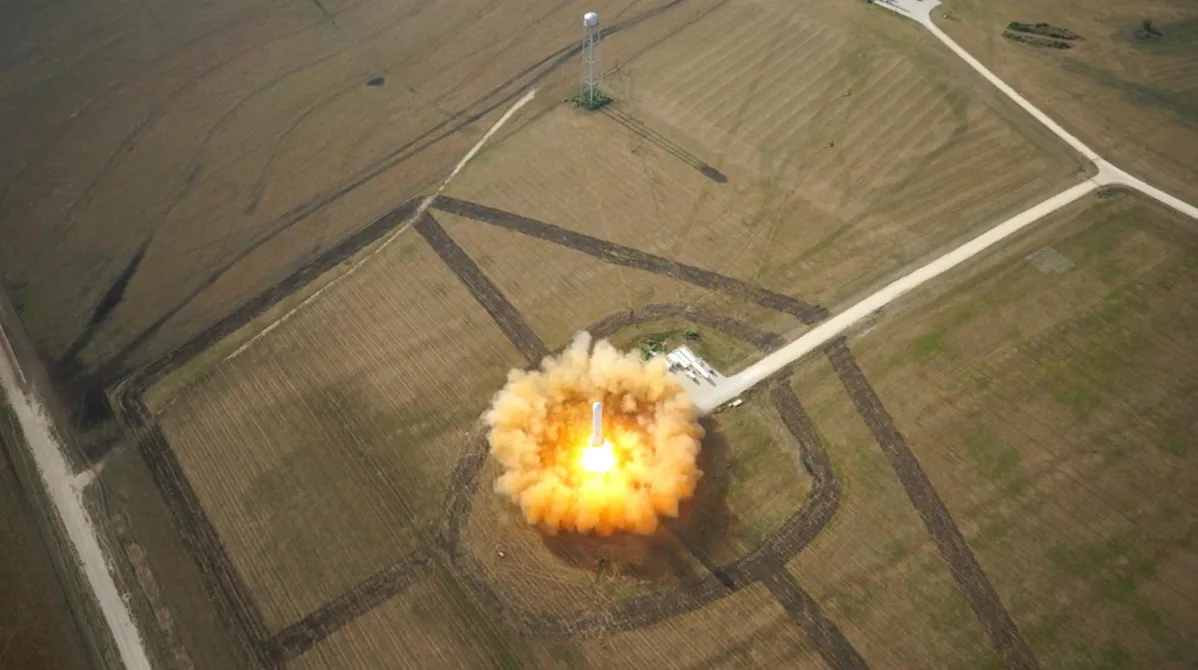
Launchpad Destruction Threatens U.S. Space Goals
A catastrophic explosion at a Blue Origin launch facility this week has crippled critical infrastructure, directly endangering the Trump administration‘s ambitious timeline for a return to the moon. The incident, which occurred during a high-stakes testing phase, resulted in the total destruction of the launchpad, forcing a comprehensive safety review that will likely delay upcoming lunar-bound missions by several months.
The Context of Lunar Ambition
The Trump administration has consistently prioritized the acceleration of lunar exploration as a cornerstone of American technological dominance. By leveraging private sector partnerships, specifically with companies like Blue Origin, the government sought to lower costs and increase the frequency of heavy-lift launches. This strategy was designed to establish a permanent lunar presence before the end of the decade.
Anatomy of the Failure
Initial reports from the site indicate that a pressure failure during fuel loading triggered the massive blast. While no personnel were injured in the explosion, the physical damage to the launch complex is extensive and requires specialized reconstruction that cannot be fast-tracked. Industry analysts note that this setback ripples through the entire supply chain, affecting satellite deployment and deep-space cargo delivery schedules.
Expert Analysis and Industry Impact
Aerospace industry experts suggest that the accident highlights the inherent risks of rapid iteration in private space flight. According to data from the Federal Aviation Administration (FAA), the frequency of commercial launch incidents has risen in direct proportion to the volume of launches. Dr. Elena Vance, a senior consultant for space logistics, stated that the reliance on a single launchpad for mission-critical hardware creates a single point of failure that the industry must now urgently address.
Economic and Strategic Implications
For the administration, the fallout extends beyond mere scheduling delays. The failure creates a political vacuum that international competitors, particularly China, may exploit to claim milestones in lunar resource extraction. Investors are also reacting, with shares in aerospace-linked conglomerates showing volatility as the market reassesses the viability of the current “fast-track” development model.
Future Outlook
The industry is now bracing for a mandatory federal investigation that will likely impose stricter safety protocols on all private space firms. Observers should monitor upcoming testimonies before the Senate Committee on Commerce, Science, and Transportation, which will determine how much federal funding remains tied to the affected launch site. The timeline for the next lunar mission remains suspended until the FAA concludes its investigation and certifies the site as flight-ready.