







High-Level Engagement at Guantanamo Bay
General Laura Richardson, the commander of U.S. Southern Command (SOUTHCOM), conducted a brief, unscheduled meeting with Cuban military officials near the U.S. Naval Base at Guantanamo Bay this week to discuss matters of operational security. The encounter marks a rare instance of direct high-level communication between American and Cuban defense leadership, occurring in a region that has remained a flashpoint for geopolitical tension since the Cold War.
Historical Context of U.S.-Cuba Relations
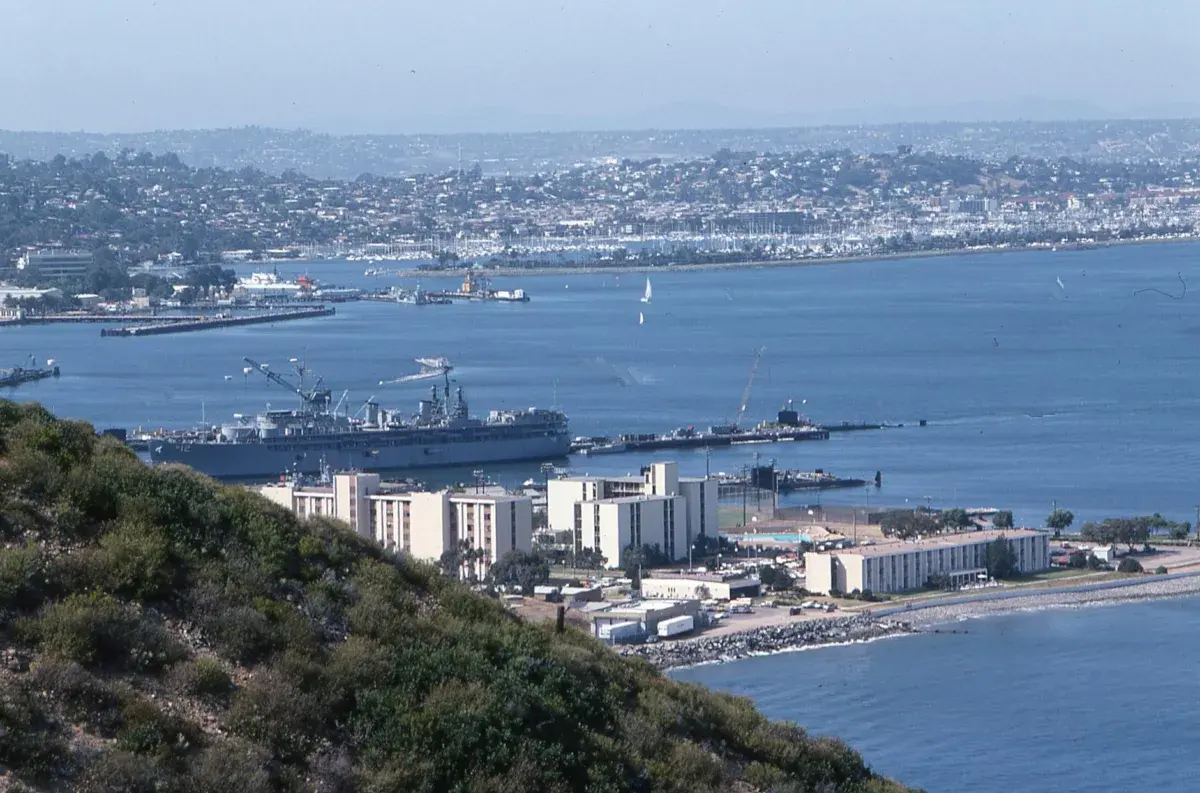
The U.S. Naval Base at Guantanamo Bay is the oldest overseas U.S. military installation, established in 1903. For decades, it has served as a symbol of the strained relationship between Washington and Havana, particularly following the 1959 Cuban Revolution. Communication between the two militaries has historically been limited to technical deconfliction or occasional humanitarian cooperation, making direct engagement by a combatant commander a notable departure from standard diplomatic norms.
Operational Security and Regional Stability
The meeting reportedly focused on deconfliction and operational security, aiming to ensure that activities near the base do not result in unintended escalations. Analysts suggest that such discussions are critical as regional powers navigate increasing military presence from global competitors in the Caribbean basin. By establishing a direct line of communication, both sides seek to minimize the risk of miscalculation in a volatile maritime environment.
While the Pentagon has characterized the exchange as brief, the symbolism of the meeting carries significant weight. Military observers note that maintaining a baseline of professional contact between adversaries is a standard practice to prevent localized incidents from spiraling into broader diplomatic crises. This interaction follows a period of heightened scrutiny regarding foreign military influence in the Western Hemisphere.
Expert Perspectives on Diplomatic Channels
Defense policy experts suggest that these types of engagements are essential for maintaining regional stability. According to data from the Council on Foreign Relations, maintaining open lines of communication, even with adversarial states, is a cornerstone of U.S. defense strategy to manage potential threats. While this meeting does not signal a broader policy shift in U.S.-Cuba relations, it underscores the pragmatic necessity of tactical dialogue.
Implications for Future Military Cooperation
For the defense industry and regional stakeholders, this meeting signals a potential pivot toward more predictable, albeit limited, military-to-military communication. Future developments to watch include whether these security-focused exchanges lead to more permanent deconfliction protocols. Observers will also monitor whether this contact facilitates further discussions on broader regional security issues, such as counter-narcotics trafficking and maritime border management, which remain shared concerns for both nations despite their deep-seated ideological differences.