








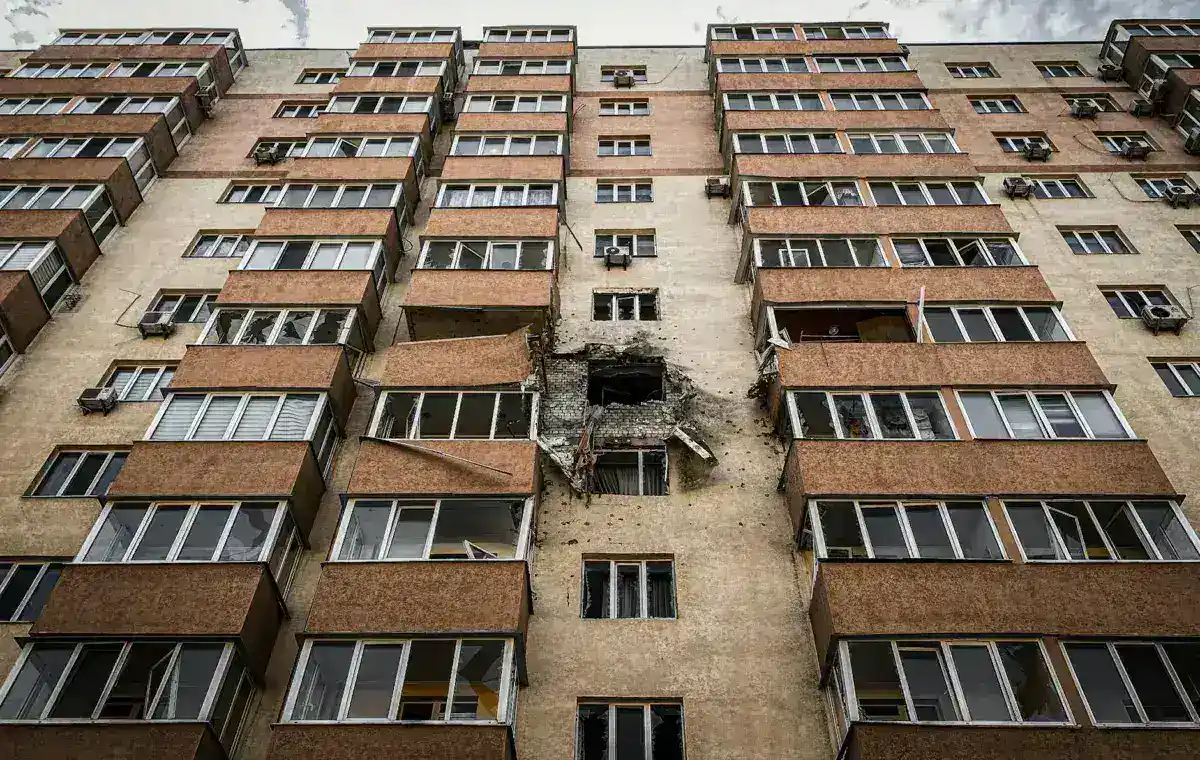
Diplomatic Fallout Over Border Breach
NATO officials issued a stern condemnation this week after a Russian-origin drone crashed into a residential apartment building in Romania, marking a significant escalation in the ongoing regional security crisis. The incident, which occurred near the border with Ukraine, resulted in injuries to two civilians and triggered urgent deliberations among alliance members regarding the safety of NATO territory. Romanian authorities confirmed the wreckage was identified as Russian, defying Moscow’s continued denials of the breach.
The crash represents a dangerous expansion of the conflict zone, as Romania serves as a vital NATO member on the alliance’s eastern flank. The proximity of the impact to civilian infrastructure has reignited debates over the integrity of NATO’s airspace. Security analysts note that while such incursions have occurred previously in border regions, the direct strike on residential property elevates the incident from a surveillance anomaly to a potential threat to life.
Context of Regional Instability
Since the onset of the full-scale conflict in Ukraine in 2022, Eastern European nations have remained on high alert for stray munitions and unauthorized aerial vehicles. Romania, Poland, and the Baltic states have frequently reported debris and drone sightings linked to Russian strikes on Ukrainian port facilities along the Danube River. The alliance has consistently bolstered its air defense systems in these areas, yet the challenge of intercepting low-flying, small-signature drones remains a persistent tactical hurdle.
Tactical Implications and Alliance Response
The incident has prompted serious discussions within Bucharest regarding the potential invocation of Article 4 of the NATO treaty. Article 4 allows any member state to call for formal consultations when they feel their territorial integrity, political independence, or security is threatened. While this mechanism does not mandate military action like Article 5, it serves as a critical diplomatic tool to signal collective concern and coordinate a unified defensive posture.
Military experts emphasize that the technical difficulty of distinguishing between a deliberate attack and a navigation malfunction complicates the diplomatic response. Dr. Elena Vancea, a regional defense analyst, suggests that the incident underscores the vulnerability of border regions to modern drone warfare. “We are seeing a blurring of the lines between active combat zones and sovereign NATO territory,” Vancea stated. “The risk of miscalculation is higher now than at any point in the last two years.”
Economic and Strategic Consequences
For the residents of border communities, the crash has transformed the geopolitical conflict into an immediate local reality. Local government officials in Romania have intensified calls for increased air defense coverage and improved early warning systems for civilian populations. Beyond the humanitarian impact, the incident threatens to disrupt trade routes along the Danube, which have become essential for global food security as an alternative export channel for Ukrainian grain.
Industry observers are now monitoring whether this breach will force a permanent shift in NATO’s deployment strategy. There is increasing pressure on the alliance to transition from a policy of deterrence to one of active interception for any aerial object crossing into member airspace. As the situation develops, observers should watch for potential adjustments to regional flight restrictions and the deployment of additional radar assets along the Black Sea coast. The diplomatic fallout will likely manifest in further sanctions or intensified rhetoric at upcoming ministerial summits, as the alliance attempts to draw a firm red line against further incursions.