





Tragedy Strikes Dallas Residential Complex
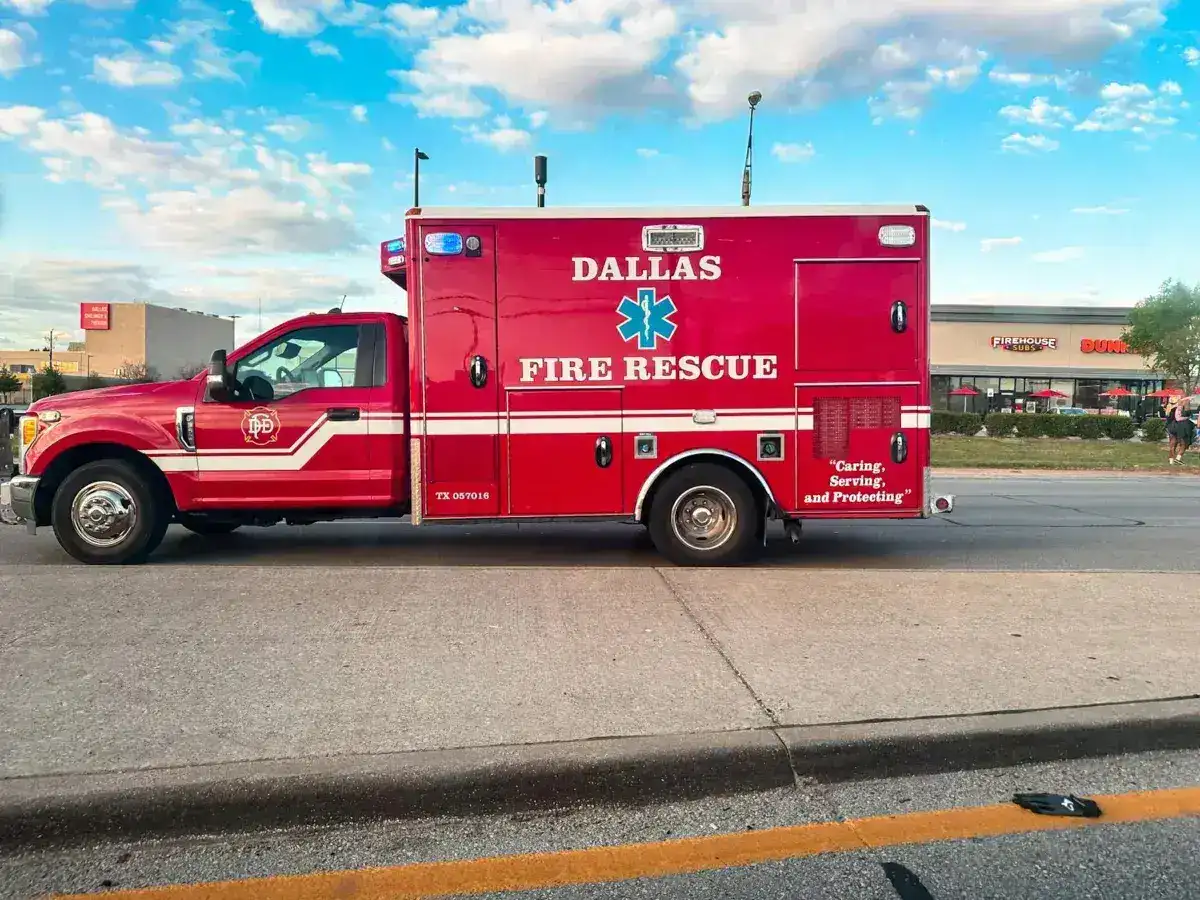
A massive explosion followed by an intense fire destroyed a Dallas apartment building on Tuesday, resulting in the deaths of three individuals, according to city officials. Emergency responders arrived at the scene shortly after the blast occurred, working through the morning to extinguish the flames and search the structural remains for survivors.
The incident took place in a multi-story residential complex, leaving several others injured and displaced. Local authorities have cordoned off the area as investigators from the Dallas Fire-Rescue department and the Bureau of Alcohol, Tobacco, Firearms and Explosives (ATF) begin the process of determining the cause of the blast.
Context of the Incident
Urban safety experts note that multi-family residential buildings are subject to strict building codes, particularly regarding gas line infrastructure and fire suppression systems. Dallas has seen a surge in apartment construction over the last decade, placing increased pressure on infrastructure maintenance and safety inspections.
While the exact cause of this specific explosion remains under investigation, historical data from the National Fire Protection Association (NFPA) indicates that heating equipment and gas distribution leaks are among the leading causes of residential building fires in the United States. Investigators are now scrutinizing the building’s maintenance logs and utility records to identify any prior reports of gas odors or equipment malfunctions.
The Scope of the Emergency Response
First responders faced significant challenges as they arrived at the site, characterized by structural instability and persistent hot spots. Dallas Fire-Rescue spokesperson Jason Evans confirmed that the force of the explosion was sufficient to compromise the building’s integrity, necessitating a cautious approach to the search-and-rescue phase.
Hospitals in the Dallas-Fort Worth metroplex received multiple victims, with medical staff reporting injuries ranging from thermal burns to blunt force trauma. City officials have established a temporary assistance center for displaced residents, providing them with immediate access to shelter, food, and counseling services.
Industry and Regulatory Implications
The tragedy has prompted immediate calls for a review of safety protocols for older apartment complexes in the city. Industry analysts suggest that this event may lead to stricter legislative requirements for mandatory gas leak detection systems in aging high-density housing.
For residents and property owners, the event serves as a stark reminder of the importance of routine maintenance and the necessity of functional smoke and carbon monoxide detectors. Insurance providers are expected to monitor the investigation closely, as findings regarding building maintenance could influence future liability coverage and premium rates for similar properties in the region.
Looking Ahead
As the investigation shifts into its next phase, focus will turn to the forensic analysis of the blast site to determine if the explosion was accidental or the result of negligence. Observers are watching for the release of preliminary findings from the fire marshal, which are expected within the coming week. Future policy discussions will likely center on whether existing municipal ordinances are sufficient to protect tenants in high-density residential environments, or if a comprehensive overhaul of inspection cycles is required to prevent similar catastrophes.