









A New Chapter for Chicago’s South Side
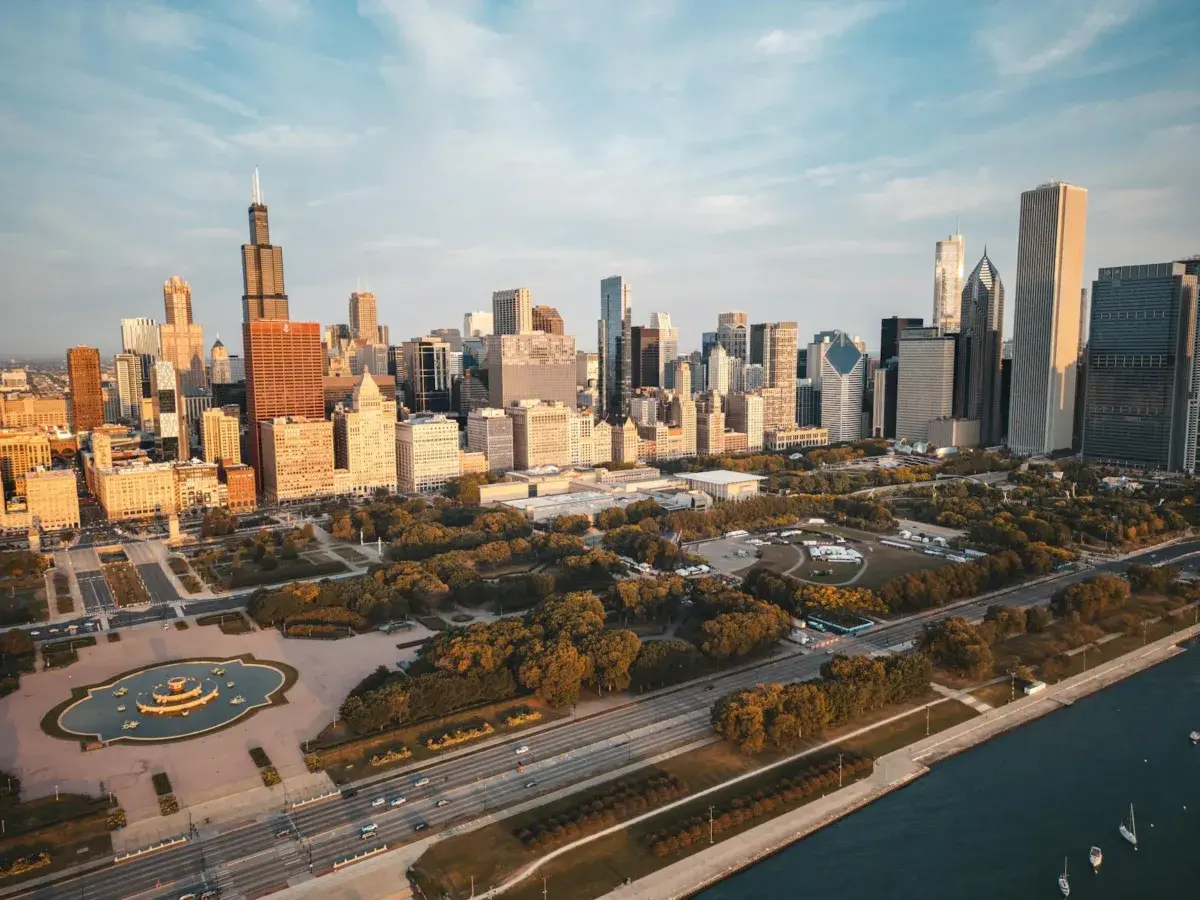
Construction crews are currently finalizing the Obama Presidential Center in Chicago’s Jackson Park, with the facility set for an official public opening on Juneteenth. The project, commissioned by the Obama Foundation, aims to transform the city’s South Side into a global hub for civic engagement while introducing a bold, contemporary architectural aesthetic to the historic parkland.
Understanding the Context of Jackson Park
The project has faced a long and complex development path since it was first proposed over a decade ago. Located on 19 acres of historic parkland designed by Frederick Law Olmsted, the center has navigated significant legal and community debates regarding land use, public access, and the preservation of historic landscapes. Supporters view the center as a vital economic engine for the surrounding neighborhoods, while critics have expressed concerns about displacement and the alteration of the city’s green space.
Architectural Vision and Design Philosophy
Designed by Tod Williams Billie Tsien Architects, the center features a sprawling campus anchored by a soaring, stone-clad museum tower. The design team focused on creating a structure that feels both monumental and approachable, utilizing high-quality materials intended to age gracefully over time. Unlike traditional presidential libraries, the facility eschews the conventional archives-focused model in favor of a community-centered campus designed for public gathering and dialogue.
Economic and Social Impact
Local officials and urban planners anticipate the center will generate hundreds of millions of dollars in economic activity for the South Side. A 2018 study by the University of Chicago’s Harris School of Public Policy projected that the center would create thousands of temporary construction jobs and hundreds of permanent positions within the community. Beyond the statistics, the foundation has emphasized local hiring initiatives and partnerships with neighborhood businesses to ensure the benefits of the project extend beyond the campus walls.
Expert Perspectives on Urban Revitalization
Architectural critics have noted that the center represents a significant departure from the neoclassical styles typically associated with presidential memorials. “This is a project that prioritizes landscape integration and civic utility over traditional grandeur,” says urban planner Marcus Thorne. Data from the Obama Foundation indicates that the campus will feature a state-of-the-art public library, a forum for community meetings, and extensive outdoor spaces, all designed to encourage year-round public usage.
Future Implications for Urban Development
The opening of the center marks a shift in how major cities approach the integration of cultural institutions into residential neighborhoods. As the project prepares to welcome its first visitors, industry observers will be watching closely to see how the surrounding real estate market responds and whether the promised economic revitalization materializes for long-term residents. The success of the Obama Presidential Center may set a new standard for how philanthropic landmarks can balance architectural ambition with the tangible needs of the communities they inhabit.


