

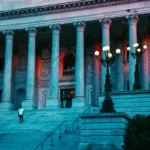








South Carolina Republican state senators defied pressure from the White House and President Donald Trump on Tuesday, effectively blocking a redistricting measure designed to eliminate the seat of Democratic Rep. Jim Clyburn. The procedural failure in the state Senate, which saw 12 Republicans join a unanimous Democratic bloc to vote 24-20 against ending debate, marks a significant legislative setback for GOP efforts to flip the district ahead of the upcoming election cycle.
The Context of the Redistricting Push
The attempted redraw followed intense pressure from the Trump administration, which had pushed for a special session to reconfigure South Carolina’s congressional map. Governor Henry McMaster responded to this pressure by calling a special session immediately following the regular legislative term, aiming to secure a partisan advantage before the midterms.
Internal GOP Friction and Legislative Hurdles
The failure of the measure signals deep internal divisions within the South Carolina Republican Party. State Senate GOP leader Shane Massey had previously voiced strong opposition to the redraw, arguing that the timing was inappropriate given the proximity to early voting. Several Republican lawmakers ultimately flipped their positions, citing the logistical impossibility of implementing new district lines while ballots are already being cast.
Expert Perspectives and Political Fallout
The unexpected defeat has reportedly caught the White House off guard. Sources close to the administration indicated that Governor McMaster failed to communicate the lack of consensus within the Senate, leading to a public rebuke from within his own party. State Sen. Larry Grooms publicly criticized the governor’s office, stating that the late call for a special session made a successful, orderly redistricting process impossible.
Industry and National Implications
This development highlights the broader, high-stakes battle over redistricting currently playing out across the South. While Republicans maintain a national edge in congressional mapping, much of that success has relied on favorable court rulings rather than legislative consensus. The Supreme Court’s recent decision to narrow the scope of the Voting Rights Act has emboldened GOP-led legislatures in states like Alabama and Louisiana to pursue aggressive map changes, though many of these efforts remain stalled in legal limbo.
What to Watch Next
With the state Senate voting to adjourn until June 10, the immediate threat to Rep. Clyburn’s district has subsided for the current cycle. However, political analysts suggest that the rebellion of these Republican senators could mirror the challenges faced by Indiana lawmakers who previously defied Trump, potentially inviting primary challenges from MAGA-aligned candidates in 2028. Observers should continue to monitor upcoming state legislative sessions and ongoing federal litigation in Alabama and Louisiana as the final map configurations for the next election cycle remain in flux.