







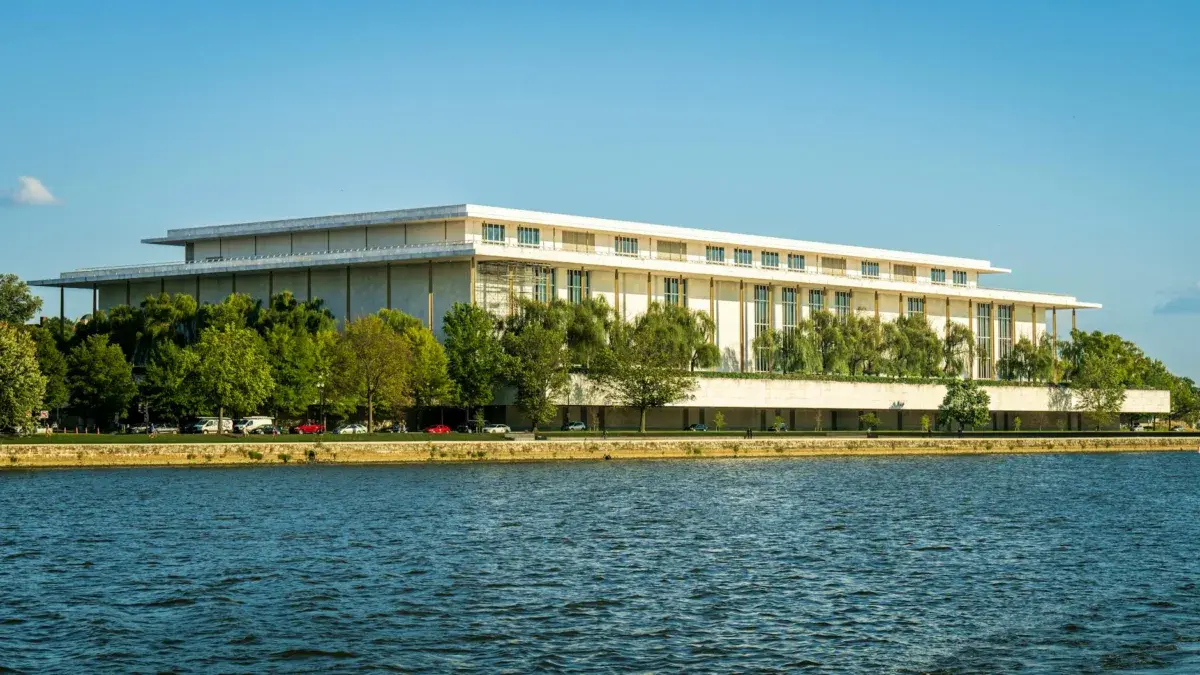
A federal judge in Washington, D.C., issued a definitive ruling this week ordering the removal of Donald Trump’s name from the John F. Kennedy Center for the Performing Arts, simultaneously blocking a proposed plan to close the institution for extensive renovations. The judicial intervention comes following a high-profile dispute over the management and branding of the national cultural landmark, effectively halting an administrative attempt to consolidate control over the venue.
Background of the Dispute
The conflict originated earlier this year when administration officials proposed a significant restructuring of the Kennedy Center’s leadership and branding strategy. Central to this plan was the renaming of specific performance halls and the temporary closure of the facility, citing structural maintenance needs.
Critics and legal advocates argued that the renaming process bypassed established historical preservation protocols. The Kennedy Center, established in 1964 as a living memorial to the late President John F. Kennedy, is governed by a board that traditionally maintains autonomy over institutional identity.
Judicial Rationale and Legal Standing
In his ruling, the judge emphasized that the executive branch overstepped its authority by unilaterally imposing a name change on a federally chartered institution. The court cited the 1964 legislation that created the center, which mandates that the facility serve as a memorial to President Kennedy.
Legal analysts noted that the decision hinges on the interpretation of federal oversight versus institutional independence. By striking down the renaming plan, the court reaffirmed that the Kennedy Center’s identity is protected by its founding statutes, rather than being subject to the preferences of current political appointees.
Industry and Public Impact
The decision has been met with relief by many in the arts community, who feared that the closure would lead to long-term disruptions in performance schedules and donor relations. The Kennedy Center hosts hundreds of events annually, ranging from orchestral performances to national awards ceremonies, and serves as a significant hub for arts education.
Data from the institution suggests that any prolonged closure would have resulted in millions of dollars in lost revenue and the cancellation of dozens of high-profile productions. The ruling ensures that the center will continue its current operations without interruption.
Future Implications
Moving forward, the focus shifts to how the Kennedy Center will manage its ongoing maintenance requirements without the controversial closure plan. Stakeholders are now looking toward the board of trustees to propose a sustainable infrastructure strategy that respects the site’s historical integrity.
Observers are watching to see if the administration will appeal the court’s decision or seek a legislative workaround. For now, the ruling serves as a significant check on the executive branch’s ability to reshape the branding of national institutions, setting a precedent for future disputes over government-affiliated cultural assets.