




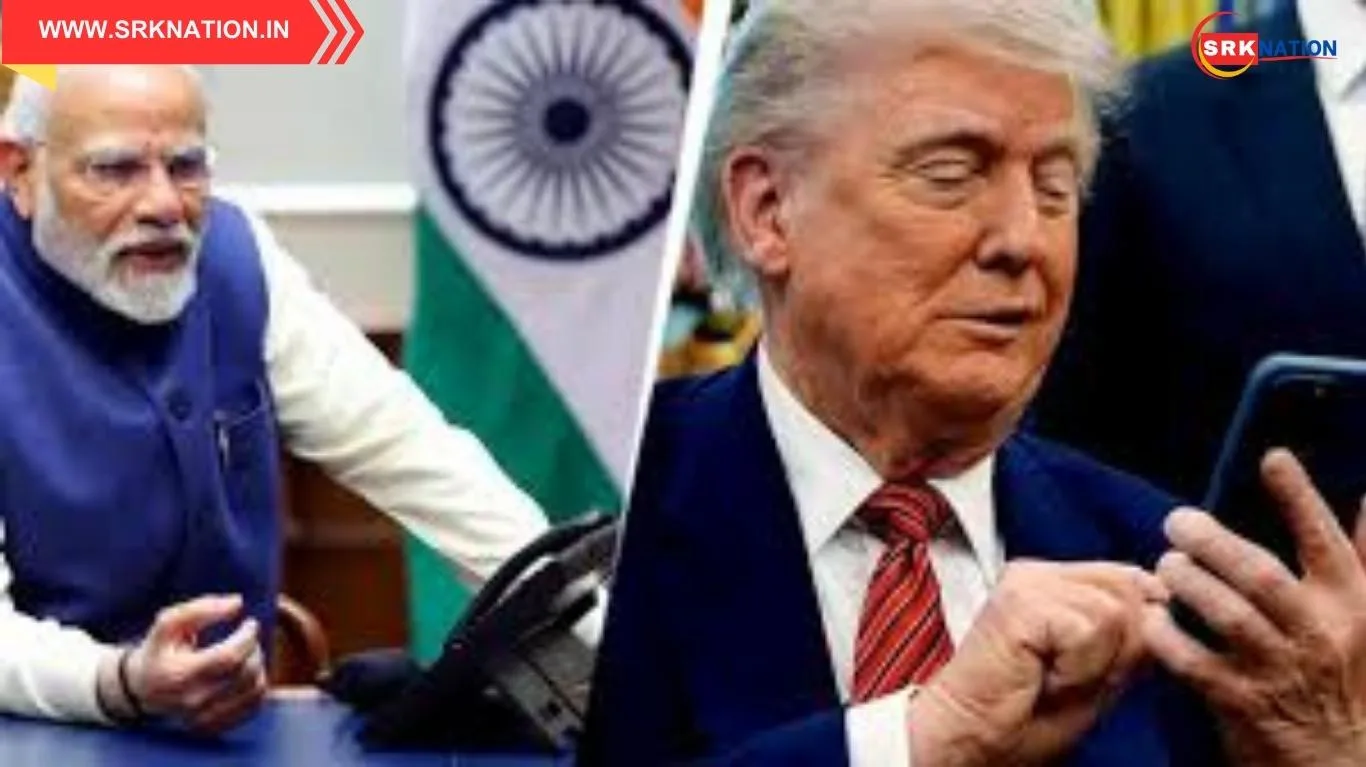
A fresh controversy has emerged in the diplomatic corridors after a senior US Commerce Secretary claimed that a skipped phone call by Prime Minister Narendra Modi was a key reason behind the collapse of a major India-US trade pact. The revelation has sparked intense debate about the fragility of international negotiations, the importance of communication in diplomacy, and the broader implications for India-US relations.
Background of the India-US Deal
- India and the United States have been negotiating a comprehensive trade pact aimed at boosting bilateral commerce, reducing tariffs, and strengthening strategic ties.
- The deal was expected to cover sectors such as technology, defense, agriculture, and energy.
- However, talks collapsed unexpectedly, leaving both sides frustrated and raising questions about what went wrong.
- The US Commerce Secretary’s claim that a skipped call by Modi played a decisive role has added a dramatic twist to the narrative.
Key Highlights of the Claim
| Indicator | Details |
|---|---|
| Issue | Collapse of India-US trade pact |
| US Claim | Modi skipped a crucial phone call |
| Impact | Deal negotiations broke down |
| Broader Implication | Strain in India-US trade relations |
| Public Reaction | Debate over diplomacy, communication, and accountability |
India-US Pact Breakdown
| Factor | India’s Position | US Position | Global Implication |
|---|---|---|---|
| Communication | Skipped call seen as minor | Viewed as critical diplomatic lapse | Highlights fragility of negotiations |
| Trade Negotiations | Focused on tariffs and market access | Wanted broader concessions | Deal collapse affects global trade |
| Political Narrative | India emphasizes sovereignty | US stresses accountability | Sparks debate on leadership styles |
| Economic Impact | Missed opportunity for growth | Lost chance for expanded exports | Slows momentum in global partnerships |
| Strategic Outlook | India seeks alternative alliances | US rethinks Asia strategy | Shifts balance in Indo-Pacific region |
Why This Story Matters
- Diplomatic Fragility: Shows how small lapses can derail major negotiations.
- Economic Stakes: The pact was expected to boost billions in trade and investment.
- Political Optics: Raises questions about leadership styles and priorities.
- Global Impact: Affects Indo-Pacific strategy and global trade flows.
- Future Outlook: Could reshape India-US relations and alliances.
The Skipped Call Controversy
- According to the US Commerce Secretary, a scheduled phone call between Modi and US officials was skipped at a critical juncture.
- The call was reportedly meant to finalize key aspects of the trade pact.
- Its absence was interpreted by Washington as a lack of commitment, leading to a breakdown in trust.
- Indian officials, however, downplayed the incident, suggesting that negotiations were already strained over tariffs and market access.
India’s Perspective
- India has emphasized that trade negotiations must respect sovereignty and national interests.
- Officials argue that disagreements over agricultural imports, technology transfers, and tariff reductions were the real reasons behind the collapse.
- The skipped call, they claim, was a minor scheduling issue blown out of proportion.
- India continues to seek alternative trade partnerships with the EU, ASEAN, and other allies.
US Perspective
- The US Commerce Secretary’s claim reflects frustration over missed opportunities.
- Washington viewed the skipped call as symbolic of India’s reluctance to commit fully.
- The US wanted broader concessions in areas like intellectual property, digital trade, and defense procurement.
- The collapse has forced the US to rethink its Asia strategy, with greater focus on other partners.
Economic Impact
- The pact was expected to boost bilateral trade by billions of dollars.
- Its collapse means missed opportunities for sectors like agriculture, technology, and defense.
- Both countries face slower momentum in expanding economic ties.
- Global investors are watching closely, as the breakdown affects confidence in Indo-US relations.
Strategic Implications
- The collapse of the pact affects Indo-Pacific strategy, where India is seen as a key partner.
- It may push India to strengthen ties with other allies, including the EU and Japan.
- The US may recalibrate its approach, focusing on countries more willing to make concessions.
- The incident underscores the importance of communication in maintaining strategic partnerships.
Public Sentiment
- In India, reactions were mixed, with some criticizing the US for exaggerating the skipped call.
- Supporters of Modi argued that sovereignty and national interests must come first.
- In the US, critics accused India of failing to seize a historic opportunity.
- Social media debates reflected polarized opinions, with hashtags trending around diplomacy and accountability.
Expert Opinions
- Diplomats: Stress that communication lapses can derail sensitive negotiations.
- Economists: Highlight the missed opportunity for boosting trade and investment.
- Political Analysts: Debate whether leadership styles contributed to the collapse.
- Strategists: Emphasize the need for stronger communication channels in Indo-US relations.
Challenges Ahead
- Rebuilding Trust: Both sides must repair strained diplomatic ties.
- Negotiation Complexity: Addressing disagreements over tariffs and market access.
- Global Competition: Managing alliances amid shifting geopolitical dynamics.
- Public Perception: Convincing citizens of the importance of trade deals.
- Leadership Optics: Balancing sovereignty with global commitments.
Opportunities for India and US
- Reopen Negotiations: Explore new frameworks for trade cooperation.
- Strengthen Communication: Ensure no lapses in future diplomatic exchanges.
- Diversify Partnerships: Expand alliances beyond bilateral deals.
- Focus on Strategic Sectors: Prioritize technology, defense, and energy.
- Promote Public Diplomacy: Build trust through transparency and engagement.
Broader Context of India-US Relations
- India and the US have long sought to strengthen ties across trade, defense, and technology.
- The collapse of the pact reflects the challenges of balancing national interests with global commitments.
- Both countries remain strategic partners, but the incident highlights the fragility of negotiations.
- Future cooperation will depend on rebuilding trust and finding common ground.
Media Coverage
- Headlines emphasized the US Commerce Secretary’s claim about Modi’s skipped call.
- Analysts debated whether communication lapses or policy disagreements were the real cause.
- Coverage highlighted the economic and strategic implications of the deal’s collapse.
- The story continues to dominate discussions in diplomatic and economic circles.
Conclusion
The claim that Prime Minister Modi’s skipped call broke a US pact has added a dramatic twist to the collapse of the India-US trade deal. While Washington views the incident as a critical lapse, India insists that deeper disagreements over tariffs and sovereignty were the real reasons. The controversy underscores the fragility of international negotiations, the importance of communication, and the need for both nations to rebuild trust. As India and the US look ahead, the incident may shape future strategies, alliances, and the global balance of power.
Disclaimer
This article is intended for informational purposes only and does not constitute political or diplomatic endorsement. Negotiation details, leadership statements, and public sentiments are subject to change based on evolving circumstances. Readers are encouraged to follow official updates for accurate information. The author and publisher are not responsible for any decisions made based on this article.