

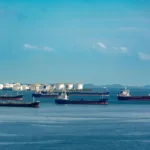








A clandestine fleet of commercial vessels, including large oil and gas tankers, is increasingly navigating the Strait of Hormuz by disabling their automatic identification systems (AIS) to evade regional threats. This “dark shipping” practice, conducted in coordination with U.S. military oversight, has emerged as a high-stakes strategy to bypass geopolitical volatility in one of the world’s most critical maritime chokepoints.
The Context of Maritime Volatility
The Strait of Hormuz remains the world’s most significant oil transit artery, with approximately 20% of global petroleum consumption passing through its narrow waters daily. Recent escalations in regional conflicts have rendered this passage increasingly hazardous for commercial shipping, prompting owners to seek alternative methods to ensure safe passage.
Historically, AIS technology was designed to prevent collisions and provide transparency in global shipping lanes. However, in the current geopolitical climate, the visibility provided by these systems has become a liability for vessels carrying energy resources, making them targets for interception or harassment by hostile actors.
The Mechanics of Dark Transit
Operating “dark” involves the deliberate deactivation of transponders that transmit a ship’s position, heading, and speed to satellite tracking networks. While this practice is often associated with sanctions evasion, the recent trend involves legitimate commercial entities utilizing these measures as a defensive maneuver under the umbrella of security guidance.
The U.S. military has confirmed instances of providing security support for these vessels during their transit. By managing the flow of information and maintaining a discreet presence, naval forces aim to protect essential energy supplies without escalating the visibility of the ships to regional adversaries.
Expert Perspectives and Industry Risks
Maritime security analysts note that the rise of dark shipping presents significant challenges for global maritime safety. “When ships go dark, the risk of collision in high-traffic zones increases exponentially,” says a representative from the International Maritime Organization. “While the security motivation is clear, the lack of transparency complicates the ability of port authorities and regulatory bodies to monitor vessel activity.”
Data from maritime intelligence firms indicates that while the number of vessels going dark remains a small percentage of total traffic, the trend is growing among tankers operating in high-risk zones. This shift reflects a broader erosion of trust in the safety of international waters, forcing ship operators to choose between regulatory compliance and physical security.
Broader Implications for Global Energy
For the energy industry, the normalization of dark shipping signals a permanent shift in how commodities are moved across volatile regions. If these practices become a standard operating procedure, it could lead to higher insurance premiums and more complex logistical chains for oil and gas traders.
Investors and stakeholders should monitor whether international maritime bodies move to formalize new protocols for “dark” transit in high-risk areas. The long-term impact on global shipping transparency remains uncertain, but the current reliance on covert maneuvers highlights the fragility of global energy security in the face of ongoing geopolitical instability.


