



Public Perception of the Economy
Despite various macroeconomic indicators suggesting a healthy U.S. economy, a new Public First poll reveals that President Donald Trump continues to struggle with a significant messaging gap regarding the cost of living. Six months into his term, 53 percent of Americans describe the current cost of living as the worst they can remember, a metric that has remained stubbornly high since November. Data confirms that 46 percent of voters hold the president personally responsible for the current economic climate, a figure that has seen virtually no improvement in recent months.
The Impact of Global Conflict
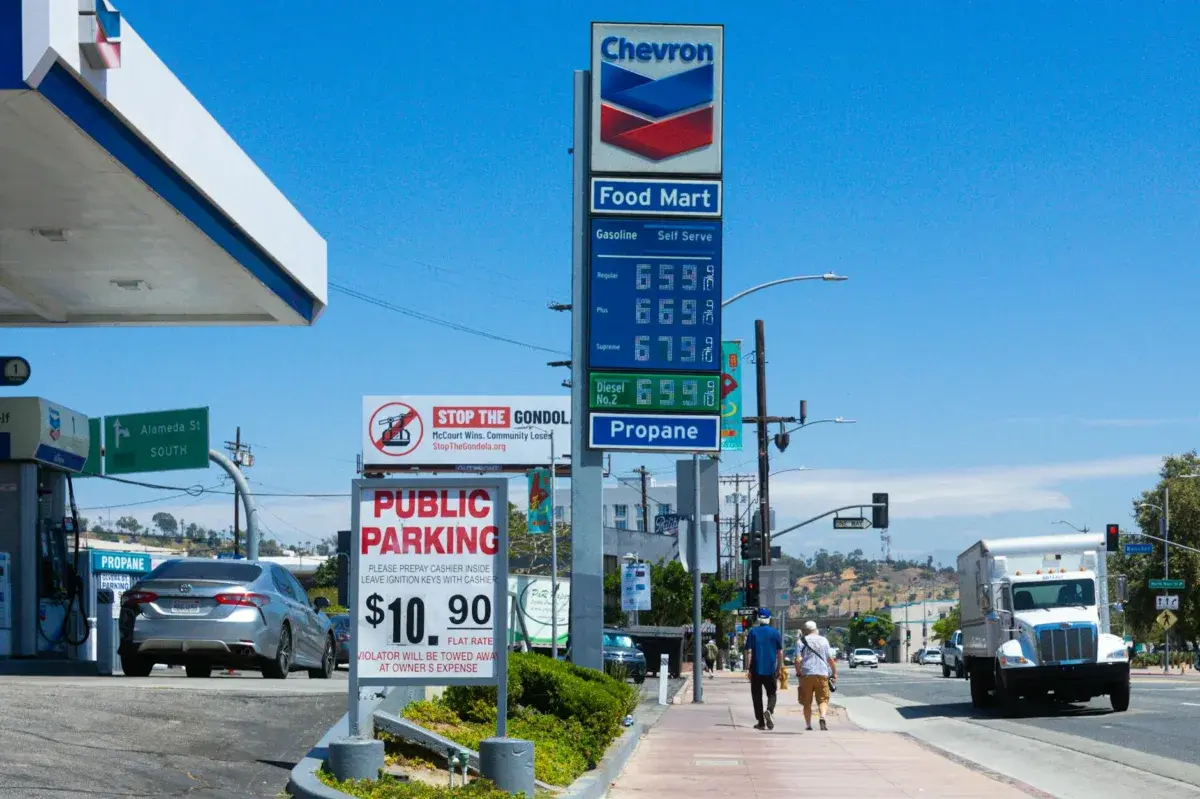
The ongoing war in Iran has emerged as a primary driver of domestic economic anxiety, complicating the administration’s narrative. More than 60 percent of respondents, including a majority of those who voted for both Trump and former Vice President Kamala Harris, report that the conflict has directly inflated the price of gas, food, and air travel. This sentiment has created a political liability, with many voters feeling the president has failed to mitigate the financial fallout from the international crisis.
A Divided Electorate and Strategic Challenges
The survey highlights a deep divide even within the president’s own base, where 43 percent of Trump voters believe he has not done enough to address the economic impacts of the conflict. While Trump supporters are more likely than their counterparts to favor continued U.S. involvement in the region despite rising costs, the broader electorate is increasingly critical. Republican strategists acknowledge that this disconnect is hindering the GOP’s ability to pin economic failures solely on the previous administration, as voters appear more focused on the current realities of their household budgets.
Economic Indicators and Future Outlook
Government data released this Thursday underscored these concerns, showing inflation rising to its highest level since the transition of power and a slower-than-expected growth rate for the first quarter. White House spokesperson Kush Desai maintains that the administration is focused on its long-term agenda, asserting that as stability returns to the Strait of Hormuz, indicators like real wages and inflation will normalize. However, with gas prices expected to remain elevated for the coming months, the administration faces a narrowing window to shift public opinion before the November midterms.
Implications for the Midterms
The trajectory of the war in Iran remains the single most critical variable for the White House’s electoral prospects. If the administration can facilitate a resolution that leads to a decline in gas prices in key battleground districts, it may yet alter the current economic narrative. Conversely, should the conflict persist and prices remain high, the GOP may find it increasingly difficult to convince undecided voters that their financial struggles are not a reflection of the current administration’s policies.