



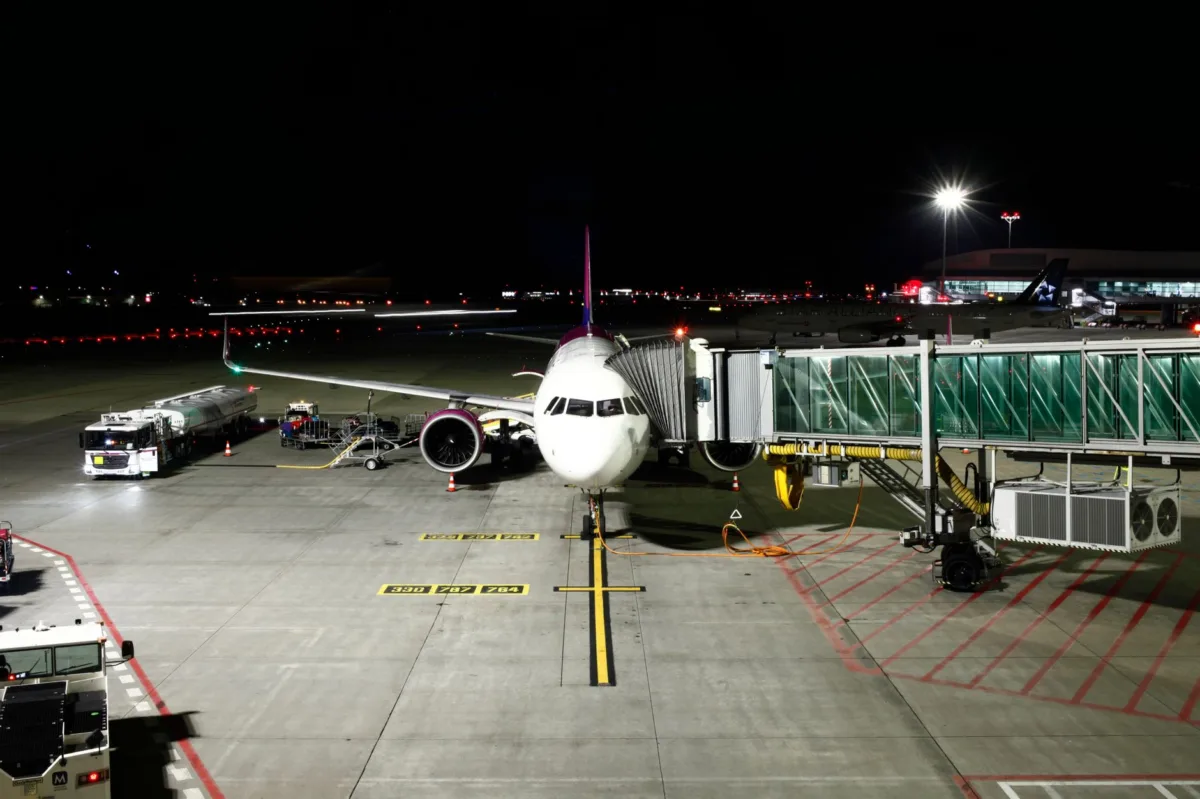
A United Airlines flight en route to Minneapolis-Saint Paul International Airport was forced to divert to Dane County Regional Airport in Madison, Wisconsin, late Friday night following reports of an unruly passenger on board. The unscheduled landing occurred as law enforcement and airline officials addressed a security incident that disrupted the flight’s normal operations.
Context of Aviation Disruptions
In-flight disturbances have become an increasingly frequent challenge for commercial airlines in recent years. According to the Federal Aviation Administration (FAA), there has been a significant uptick in reports of unruly passenger behavior since 2021, ranging from verbal altercations to physical interference with flight crews.
Aviation security protocols dictate that when a passenger poses a threat to the safety of the aircraft or its occupants, the captain is authorized to divert to the nearest suitable airport. This decision ensures that local authorities can intervene immediately, prioritizing the safety of the remaining passengers and the crew.
The Incident and Airline Response
United Airlines confirmed that the aircraft landed safely in Madison, where the passenger was removed by local law enforcement. The airline stated that the decision to divert was made out of an abundance of caution to ensure the security of everyone on the flight.
While specific details regarding the nature of the disturbance remain under investigation, such incidents often involve non-compliance with crew instructions or aggressive behavior. United Airlines representatives noted that they are cooperating fully with local authorities as the investigation into the Friday night incident proceeds.
Expert Perspectives on Air Travel Safety
Aviation safety experts point to a complex mix of factors contributing to the rise in cabin disruptions. Dr. Sarah Jenkins, an expert in aviation psychology, notes that high-stress travel environments combined with post-pandemic behavioral shifts have created a volatile atmosphere in many cabins.
Data from the International Air Transport Association (IATA) suggests that while incidents remain a small fraction of total flights, the severity of these events has forced airlines to invest more heavily in staff training. Flight attendants now undergo specialized de-escalation training to manage disruptive situations before they necessitate a diversion.
Implications for Future Travel
For passengers, these diversions often result in significant delays and logistical challenges, including missed connections and lengthy waits for alternative transportation. Airlines are increasingly utilizing stricter policies to deter bad behavior, including the potential for lifetime bans from their networks.
Industry analysts are now watching for potential policy changes at the federal level, specifically regarding the enforcement of zero-tolerance policies. As the aviation sector continues to recover, the ability to manage cabin safety remains a primary concern for both regulatory bodies and airline executives. Future developments will likely focus on enhanced passenger screening and more robust legal consequences for those who disrupt commercial flights.