




The Shifting Climate Dynamics
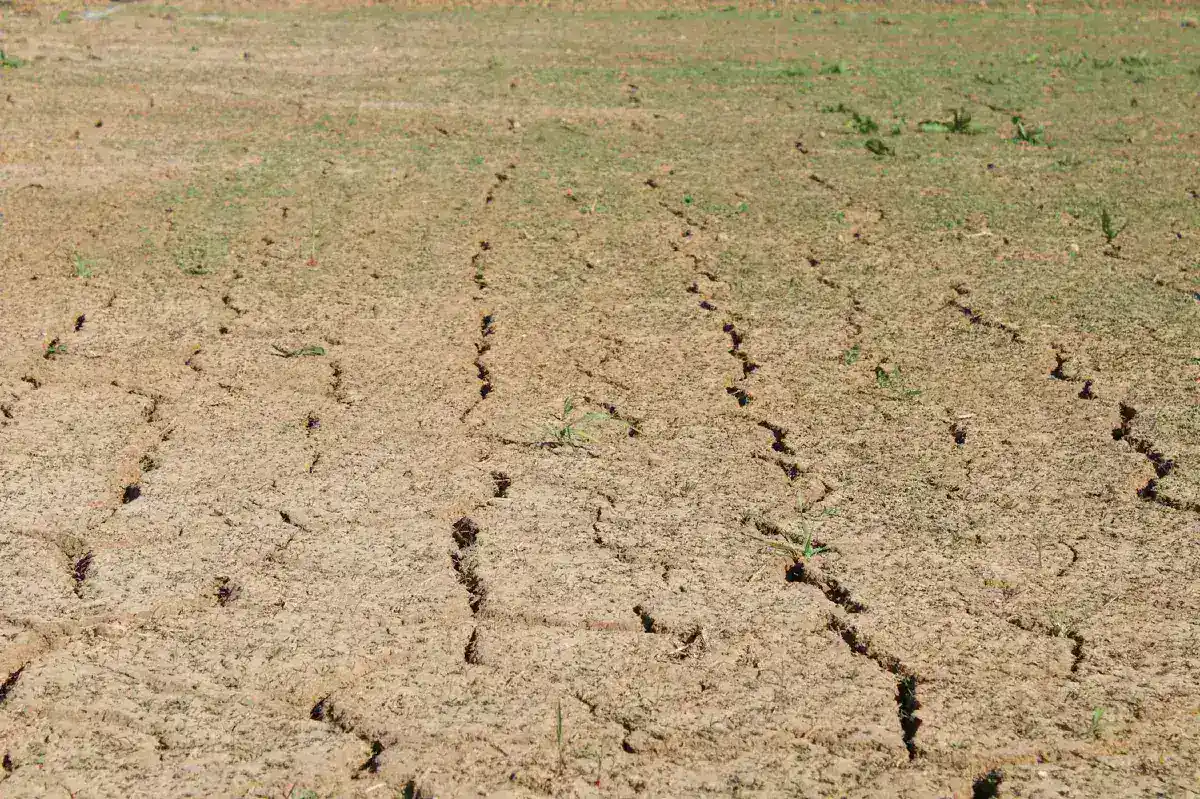
India’s agricultural heartland faces a precarious monsoon season this year as climate experts warn that the protective atmospheric buffer which shielded the country in 1997 is no longer active. Unlike the historic 1997 event, where the Indian Ocean Dipole (IOD) effectively countered the drying effects of El Nino, current meteorological data suggests that this year’s weather patterns will lack that critical support system. As a result, the India Meteorological Department (IMD) has recently downgraded its rainfall forecast, signaling a 60% probability of a deficient monsoon that could impact food security and rural livelihoods across the nation.
Understanding the Historical Context
The monsoon is a complex atmospheric engine driven by thermal gradients between the landmass and the surrounding oceans. In 1997, the phenomenon known as the Indian Ocean Dipole—a variation in sea surface temperatures characterized by warmer waters in the western Indian Ocean—created a positive feedback loop. This configuration effectively pumped moisture into the subcontinent, neutralizing the moisture-sapping influence of the El Nino oscillation originating in the Pacific. For decades, this interaction has been a primary subject of study for climatologists seeking to predict the volatile nature of Indian rainfall.
The Current Meteorological Outlook
Meteorologists are now observing a convergence of unfavorable conditions that threaten to stifle this year’s precipitation levels. The Pacific-based El Nino is strengthening, and without a compensatory cooling or warming pattern in the Indian Ocean, the typical moisture transport mechanisms are failing. Regional reports from areas like Andhra Pradesh highlight the growing anxiety among agricultural experts who fear that standard mitigation strategies may prove insufficient against the current lack of systemic support.
Strategic Preparations and Government Response
In response to these grim forecasts, the Indian government has taken proactive steps to secure the agricultural supply chain. Authorities have established a National Seed Reserve of 1.74 lakh quintals to ensure that farmers have access to viable, high-quality seeds even in the event of a poor harvest. This buffer serves as a critical safety net, designed to stabilize production and prevent the cascading economic effects often associated with widespread crop failures.
Implications for Food Security and Industry
The implications of a deficient monsoon extend far beyond individual farm yields. With a significant portion of India’s GDP tied to agriculture, a reduction in rainfall directly impacts inflation, rural consumer demand, and the availability of essential commodities. Industries ranging from fertilizer manufacturers to rural retail outlets are bracing for a potential slowdown as farmers tighten their spending in anticipation of a challenging season.
Future Trends to Monitor
As the season progresses, stakeholders are advised to monitor the daily fluctuations in sea surface temperatures across the tropical Indian Ocean for any signs of a late-season dipole shift. While immediate, isolated events like heavy thunderstorms in Delhi provide temporary relief, they do not indicate a broader shift in the seasonal trend. Experts will be watching the next IMD monthly update to determine if the 60% probability of a deficient monsoon remains stable or if further adjustments are required to protect the national agricultural output.