




The Shift to Arm-Based Computing
Nvidia is set to launch its first Windows-compatible PC processors next week, marking a significant strategic pivot for the chip giant as it expands beyond its dominance in the artificial intelligence and graphics markets. Industry reports, including early confirmations from hardware partners like Dell, suggest these new N1X processors are poised to challenge the long-standing hegemony of x86 architecture in the personal computer space.
The move follows a collaborative effort involving Microsoft, Arm, and Nvidia to optimize the Windows ecosystem for Arm-based silicon. By transitioning to this architecture, Nvidia aims to provide a competitive alternative to traditional offerings from Intel and AMD, focusing on high-performance mobile computing.
Context of the Silicon Shakeup
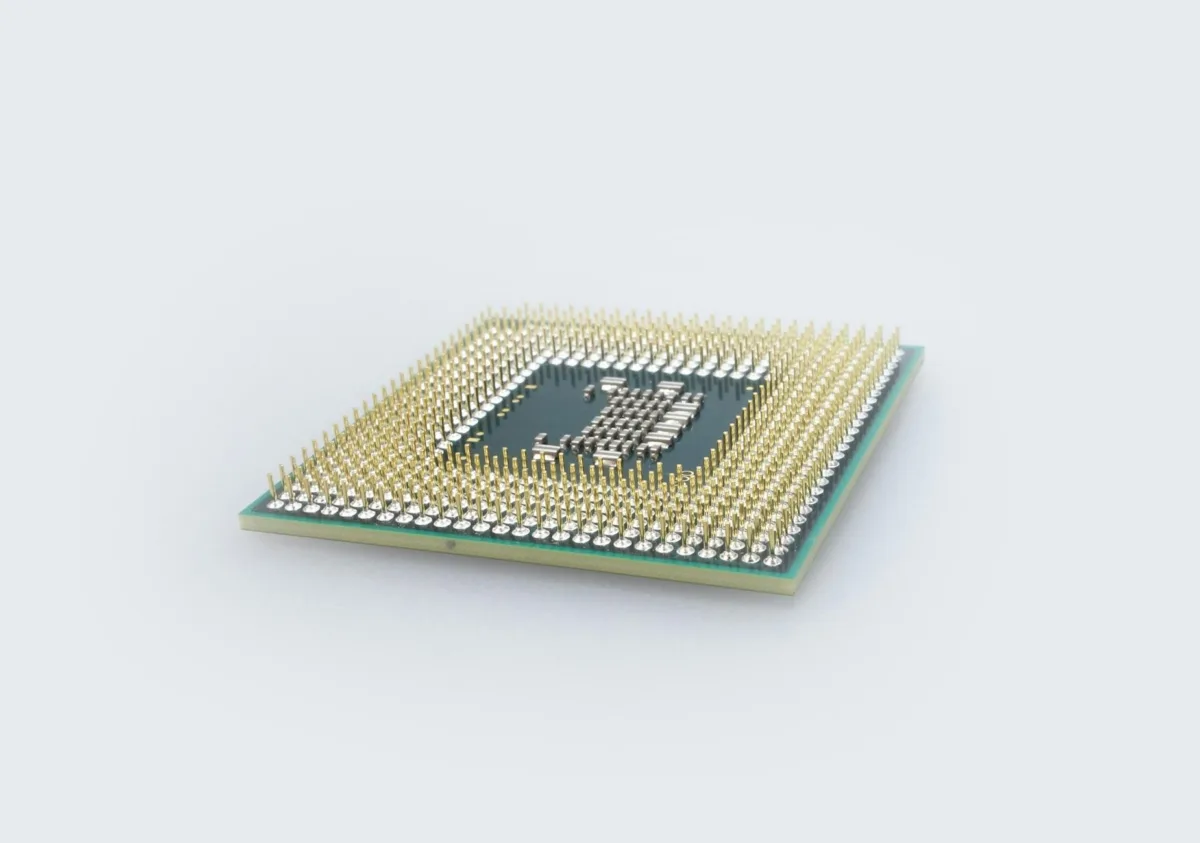
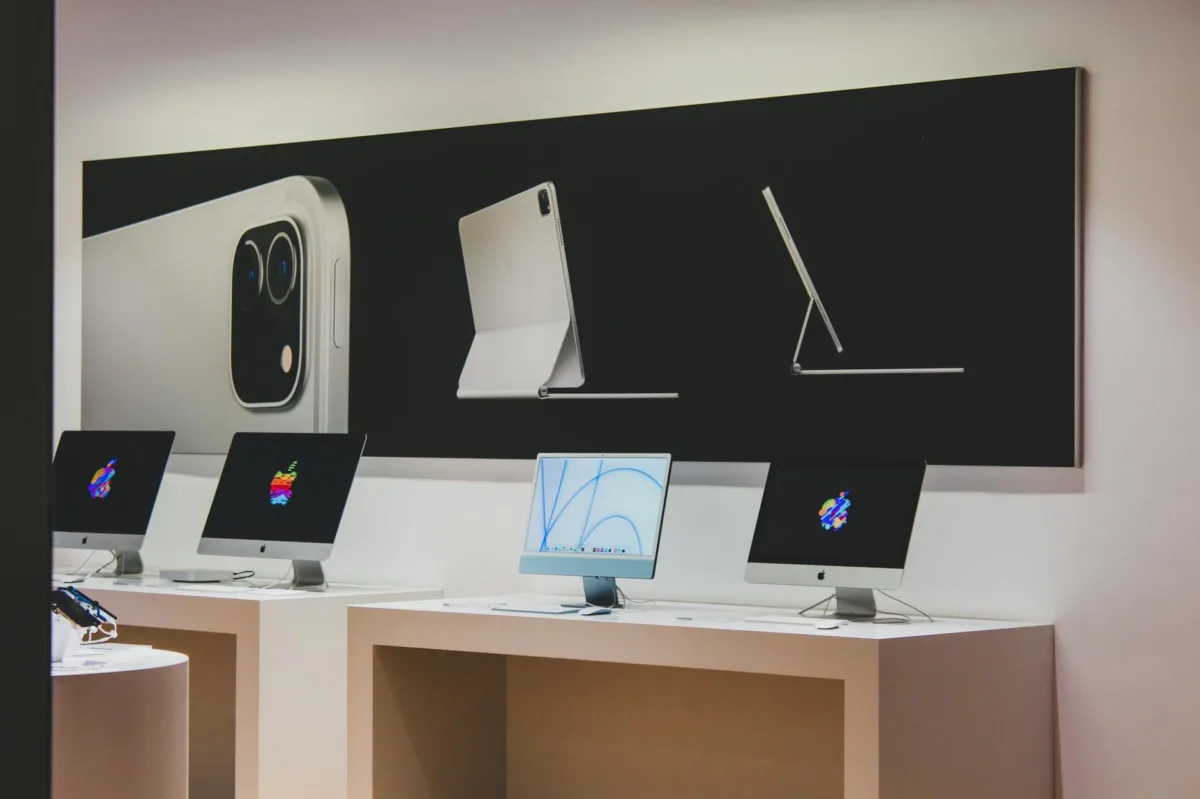
For decades, the PC industry has been anchored by x86 architecture, which powered almost every major Windows machine. However, the success of Apple’s M-series chips, which utilize Arm architecture to deliver superior battery life and performance, has forced a reckoning across the Windows landscape.
Microsoft has been aggressively pushing the ‘Copilot+ PC’ initiative, which prioritizes power efficiency and integrated AI capabilities. Nvidia’s entry into this space represents a core pillar of Microsoft’s strategy to bridge the gap between high-end AI processing and portable laptop hardware.
Strategic Implications for the PC Market
Nvidia’s entry is not merely a hardware release; it is a signal of the changing nature of consumer computing. By leveraging its expertise in GPU acceleration, Nvidia is positioning its new processors to handle intensive local AI tasks that were previously restricted to the cloud or high-end workstations.
Hardware manufacturers are already signaling their support for this transition. Dell has publicly confirmed that its upcoming XPS laptop line will feature the new Nvidia N1X silicon, signaling a vote of confidence from one of the world’s largest PC distributors. This move effectively creates a new tier of ‘AI-native’ laptops designed to run complex models directly on the device.
Industry Perspectives and Technical Hurdles
Industry analysts point out that while the hardware potential is significant, the success of these machines hinges on software compatibility. The transition to Arm requires developers to recompile applications to ensure optimal performance, a hurdle that Microsoft has attempted to clear through its ‘Prism’ emulation layer.
Data from recent industry benchmarks suggest that Arm-based Windows machines are closing the performance gap in both productivity and creative workflows. Experts note that if Nvidia can successfully integrate its advanced graphics stack with Arm’s power-efficient CPU cores, it could fundamentally alter the power-to-performance ratio expected in the ultra-portable laptop segment.
Future Outlook
As the launch approaches, market watchers are focusing on how Intel and AMD will respond to this intensified competition. Beyond the initial release, the industry will be monitoring consumer adoption rates to see if users prioritize the AI-centric features and battery efficiency that Nvidia’s new platform promises. The success of these devices will likely dictate the pace at which the wider Windows ecosystem shifts away from traditional chip architectures over the next three years.