









Legislative Shift in Immigration Enforcement
Governor Kathy Hochul and New York state lawmakers enacted a comprehensive legislative package this afternoon designed to curtail the operations of federal immigration enforcement agents within the state. The move follows months of escalating tension regarding the role of local law enforcement in federal immigration actions, particularly as New York Democrats seek to push back against aggressive federal tactics.
Contextualizing Local and Federal Friction
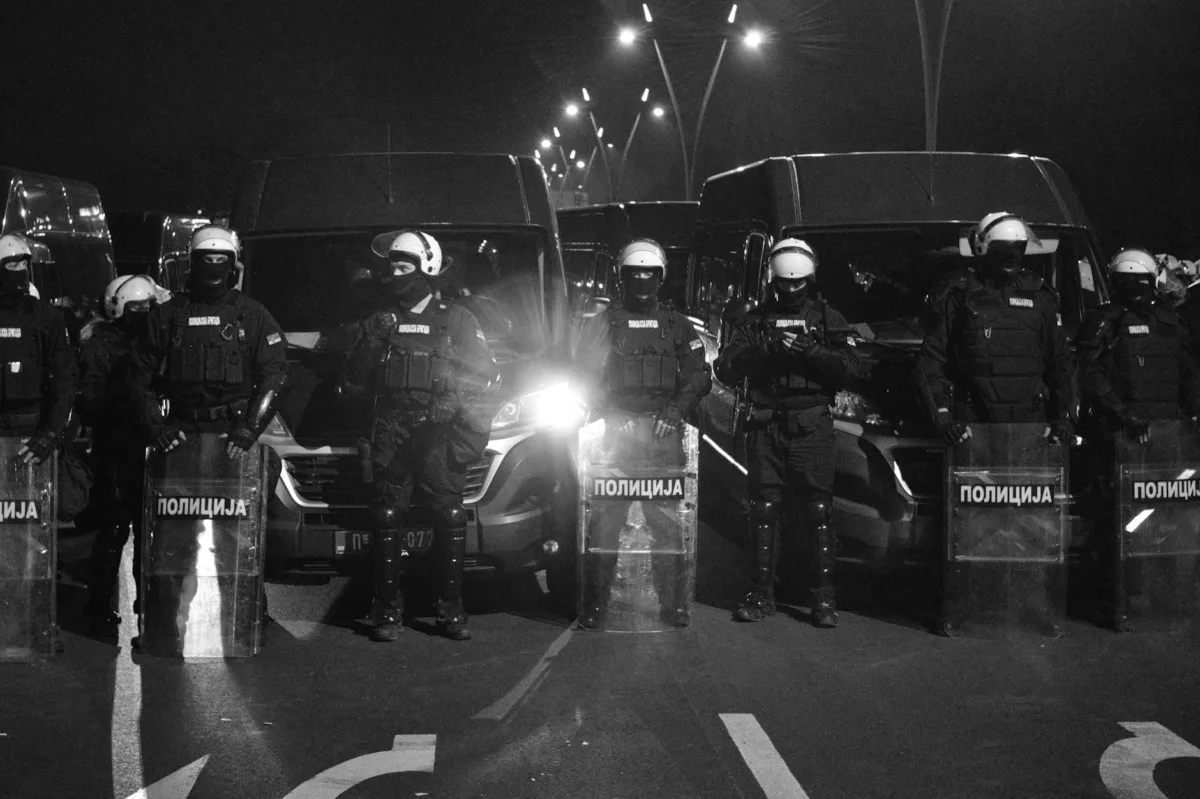
The new regulations explicitly prohibit local police departments from facilitating federal immigration enforcement operations, including actions such as cordoning off areas, locking down streets, or redirecting traffic for federal agents. Additionally, the legislation implements a ban on masks for both local and federal law enforcement officers and establishes a formal list of sensitive locations where federal agents are prohibited from entering without a judicial warrant.
The Conflict Over NYPD Involvement
The legislation stems from ongoing friction between the NYPD and local activists, highlighted by a recent incident in Brooklyn where protesters attempted to obstruct federal agents at a hospital. While protesters and some lawmakers argue that the NYPD’s crowd control efforts effectively cleared a path for immigration enforcement, the NYPD maintains that their actions were strictly professional responses to public safety concerns and 911 calls.
Expert Perspectives and Official Stances
State Senator Julia Salazar, a primary proponent of the bill, asserts that this legislation would have successfully prevented the NYPD from interfering in the Brooklyn hospital incident. Conversely, an NYPD spokesperson stated that the department does not engage in civil immigration enforcement, arguing that the new laws will not alter their operational procedures. Governor Hochul’s office clarified that the law is not intended to prevent local law enforcement from performing standard crowd control duties necessary to maintain public safety.
Industry Implications and Future Outlook
This legislative shift signals a hardening of the boundary between local police functions and federal immigration policy in New York. As the state moves to codify these restrictions, observers are watching for potential legal challenges regarding federal preemption and the operational impact on local law enforcement’s daily duties. The effectiveness of these measures remains a subject of intense debate, and the implementation process will likely face scrutiny from both civil rights groups and law enforcement agencies in the coming months as they navigate the new regulatory landscape.