






Newark Mayor Ras Baraka has implemented an emergency curfew surrounding the Delaney Hall immigration detention facility following a series of increasingly volatile confrontations between protesters and law enforcement officials. The order, which took effect late Tuesday, mandates that individuals remain clear of the immediate perimeter during overnight hours as local authorities scramble to de-escalate tensions that have gripped the Newark neighborhood for several days.
The Context of Rising Tensions
Delaney Hall has long served as a focal point for debates regarding immigration policy and the treatment of detainees in New Jersey. The facility, which operates under federal contracts, has recently become a flashpoint for activists advocating for the closure of private detention centers and the release of undocumented immigrants.
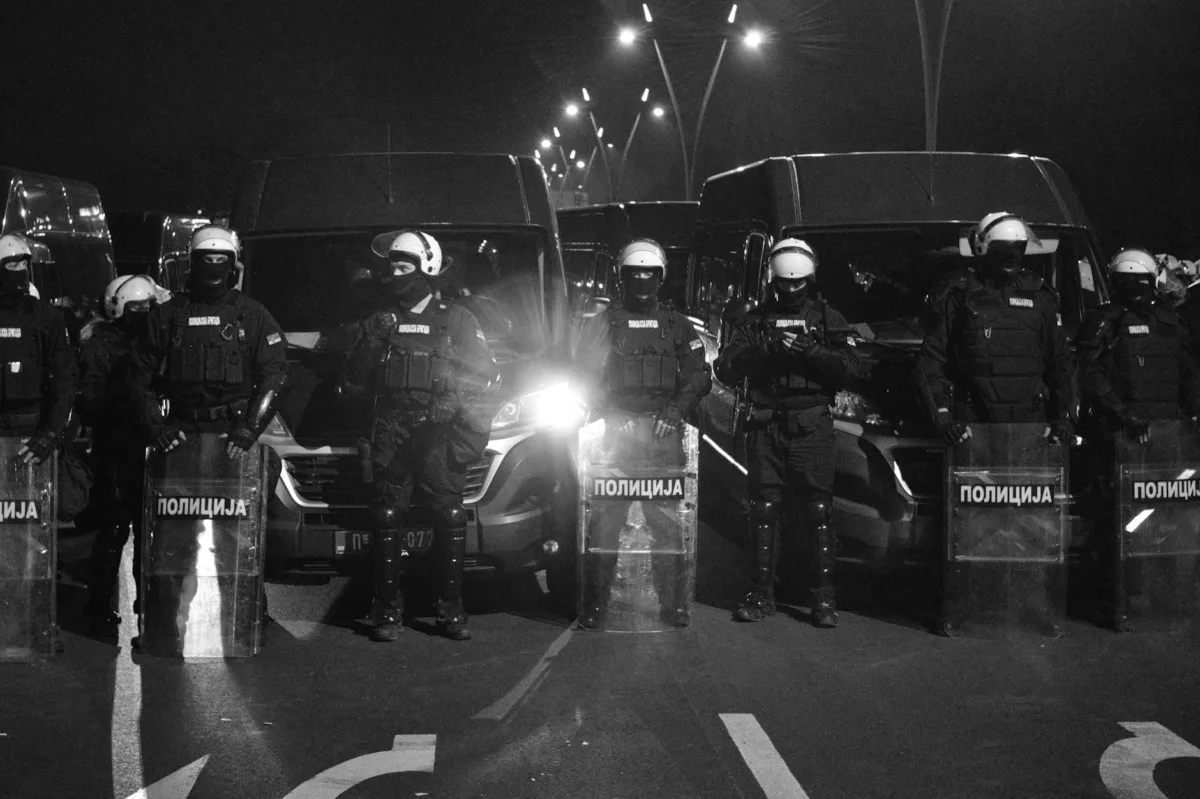
The current unrest follows a series of demonstrations that began as peaceful vigils but escalated into physical altercations between demonstrators and police. City officials report that the recent clashes involved property damage and multiple arrests, prompting the administration to prioritize public safety through the implementation of the curfew.
Dynamics of the Conflict
Protesters argue that the detention center represents a violation of human rights and have called for greater transparency regarding the conditions inside the facility. Activist groups have maintained a consistent presence outside the site, utilizing bullhorns and banners to draw attention to their cause.
Conversely, local law enforcement agencies emphasize the need for order and the protection of public infrastructure. Police spokespeople stated that they were forced to intervene when protests moved from protected speech into activities that obstructed public transit and threatened the safety of facility staff and nearby residents.
The situation is further complicated by the intersection of local Newark politics and federal immigration enforcement policies. Mayor Baraka’s administration, which has historically positioned Newark as a sanctuary city, now faces the challenge of balancing the right to assembly with the necessity of maintaining order in a densely populated urban environment.
Expert Perspectives
Political analysts note that these clashes reflect a broader national trend of heightened activism surrounding immigration detention. According to data from the Migration Policy Institute, the reliance on private facilities for federal immigration detention has remained a contentious issue, often leading to localized protests in states like New Jersey.
Legal observers suggest that the curfew is a temporary measure designed to mitigate immediate risks, but it does not address the underlying policy disagreements. “The curfew is a tactical response to a logistical problem, not a solution to the ideological divide,” noted one policy analyst familiar with municipal law.
Future Implications
The imposition of the curfew signals a potential shift in how Newark handles future demonstrations, with the city likely to adopt a more restrictive stance on late-night gatherings. Residents are now watching to see if the city will move to establish designated protest zones or seek further federal intervention to manage the facility’s security.
Industry observers are monitoring the situation to see if these protests influence federal contracting decisions or lead to legislative changes at the state level. As civil rights groups challenge the legality of the curfew in court, the coming weeks will determine whether the current measures will successfully stabilize the area or deepen the divide between the city government and advocacy organizations.