






Rising Tensions in China-EU Trade Relations
The Chinese government has officially signaled its intent to launch retaliatory trade investigations against the European Union, warning that Beijing will take necessary measures if the 27-member bloc proceeds with plans to restrict imports of heavily subsidized foreign goods. This diplomatic escalation, announced this week in Beijing, targets the European Commission’s ongoing legislative push to implement new defensive trade instruments aimed at protecting domestic markets from state-backed competition.
The Context of the Subsidy Dispute
At the heart of the friction is the European Union’s Foreign Subsidies Regulation, a legal framework designed to identify and neutralize market distortions caused by foreign financial support. EU officials argue that non-EU companies frequently benefit from state-provided capital, tax breaks, and low-interest loans that create an uneven playing field for European manufacturers. Brussels has increasingly focused its scrutiny on sectors ranging from electric vehicles to wind turbines, where Chinese firms currently hold significant market advantages.
The Mechanics of Potential Retaliation
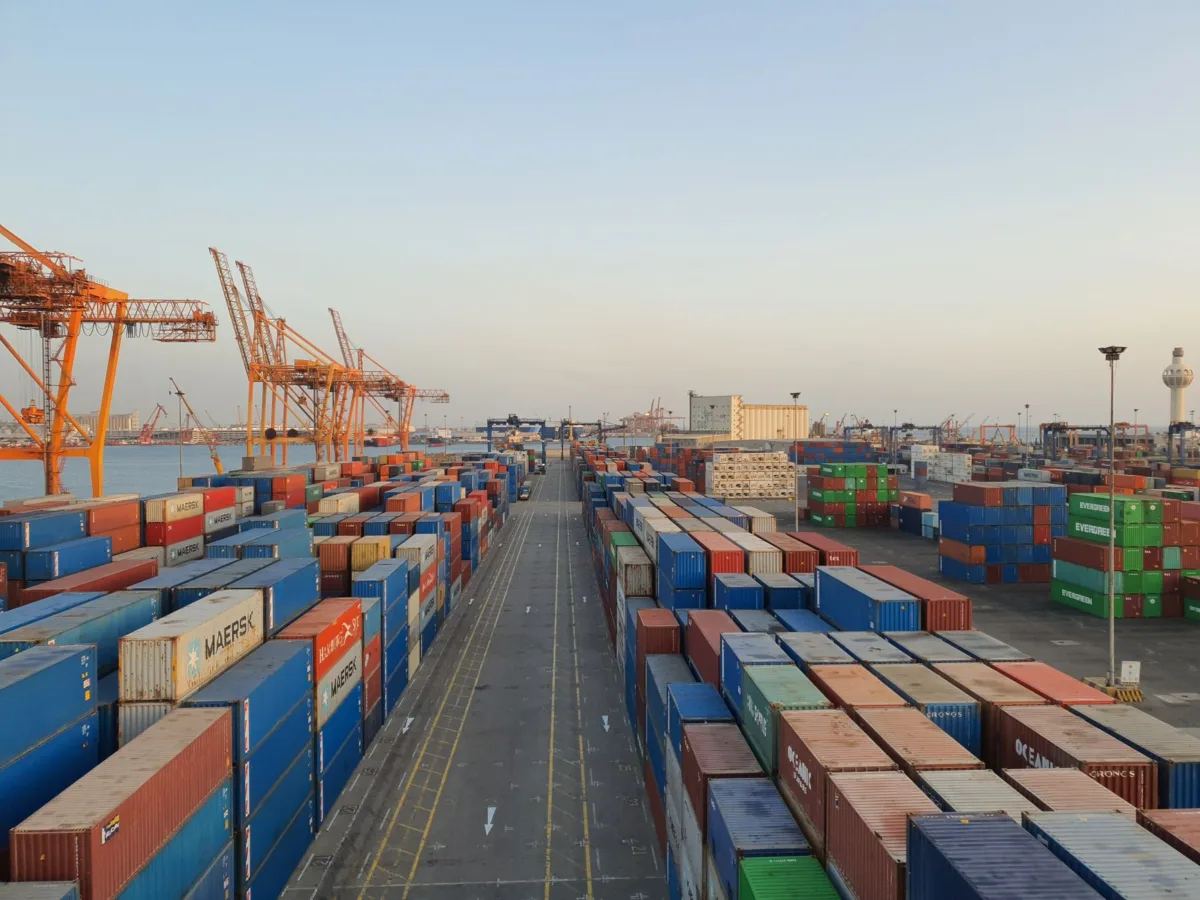
Beijing’s threat suggests a shift toward a more aggressive defensive posture, potentially utilizing its own anti-subsidy and anti-dumping investigation tools to target European exports. Chinese state media and ministry spokespeople have framed the EU’s proposed measures as protectionist, asserting that such policies violate World Trade Organization principles. If activated, these probes could lead to the imposition of punitive tariffs on a variety of European industrial goods, impacting sectors that rely heavily on the Chinese market.
Expert Analysis on Economic Impact
Economic analysts warn that a tit-for-tat trade escalation could have significant repercussions for global supply chains. According to data from the European Chamber of Commerce in China, European businesses are already navigating a complex regulatory environment, and the addition of formal trade probes would increase uncertainty for multinational corporations. Dr. Elena Rossi, a senior trade policy consultant, notes that the move represents a departure from traditional diplomatic negotiation, signaling that both sides are preparing for a protracted period of economic friction.
Implications for Global Markets
For European industries, the threat of investigation creates immediate pressure to diversify supply chains and reduce dependence on Chinese market access. Conversely, the potential for restricted European exports could force Chinese firms to accelerate their localization strategies or seek alternative markets in the Global South. The next phase of this standoff will likely hinge on the upcoming plenary sessions in Brussels, where EU lawmakers are expected to finalize the scope of their import controls.
What to Watch Next
Observers are currently tracking the specific sectors that Beijing may target first, with luxury goods, chemical products, and high-end machinery seen as the most likely candidates for retaliatory action. Furthermore, upcoming bilateral meetings between European Commission representatives and Chinese trade officials will serve as a critical barometer for whether a compromise can be reached before the formal implementation of the EU’s new trade defense tools.