






Strategic Realignment in the Indo-Pacific
As anxieties regarding the long-term reliability of U.S. security commitments mount, Indo-Pacific nations are aggressively deepening defense partnerships and increasing military spending in 2026. This trend, highlighted by recent discussions at the IISS Shangri-La Dialogue, reflects a regional hedge against the dual pressures of China’s rapid maritime expansion and a perceived shift in American foreign policy priorities.
The Context of Uncertainty
The regional security architecture has long relied on the ‘hub-and-spoke’ model of U.S. alliances. However, recent rhetoric from U.S. officials, including Secretary of War Pete Hegseth, has signaled a more transactional approach to global defense. By pressuring allies to boost domestic military budgets and questioning the sustainability of existing security guarantees, Washington has inadvertently accelerated a trend toward regional self-reliance.
The Push for Military Modernization
Nations across the Indo-Pacific are no longer waiting for external guarantees to secure their interests. India has emerged as a primary focus of this shift, with U.S. officials acknowledging the country’s rapid military modernization as a stabilizing force. India’s strategic autonomy allows it to maintain critical partnerships while simultaneously upgrading its domestic naval and aerial capabilities to counter regional threats.
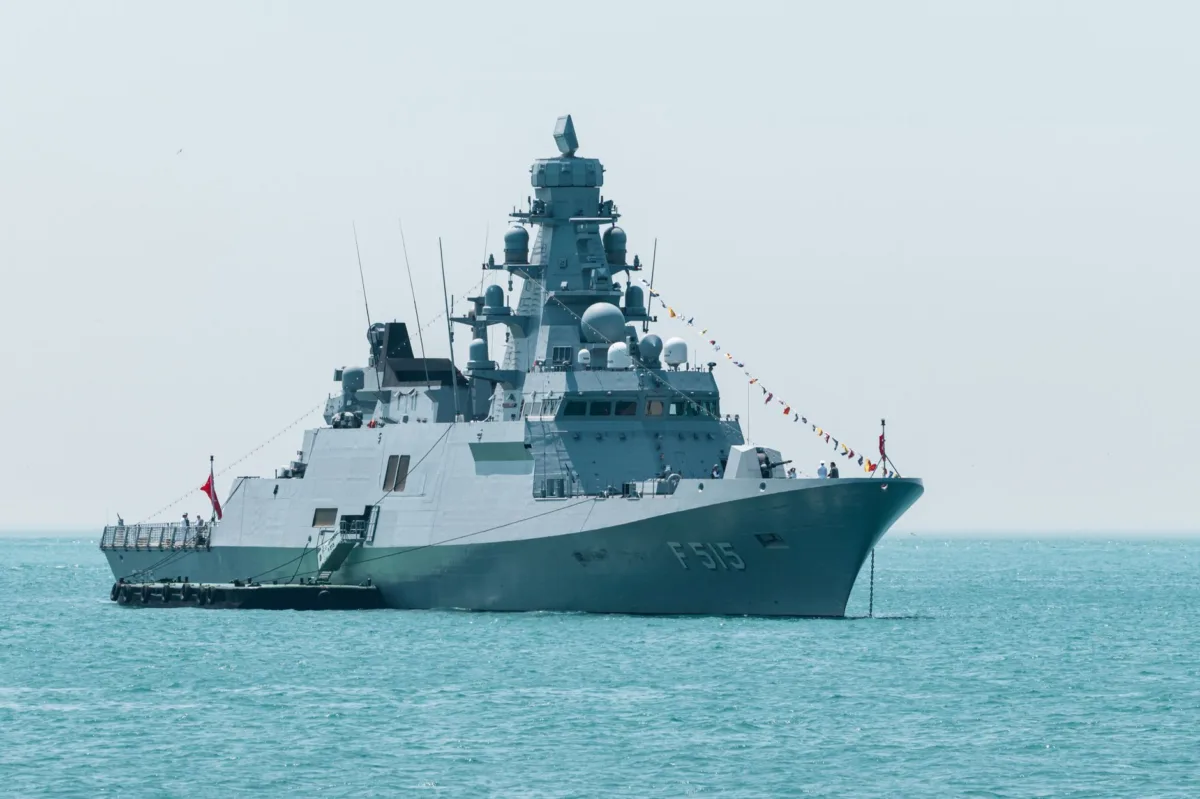
This modernization effort is mirrored by Southeast Asian nations and Japan, both of which are diversifying their defense procurement. The focus has transitioned from reliance on a single superpower to a complex web of minilateral agreements, such as the Quad and various bilateral defense pacts. These arrangements are designed to create a resilient, decentralized security network that remains functional even if U.S. engagement wanes.
Expert Perspectives and Data
Analysts at the Shangri-La Dialogue noted that the primary driver for this shift is the lesson learned from the ongoing conflict in Ukraine. Many regional leaders now view the potential for large-scale conflict in the South China Sea as an inevitability that requires advanced local readiness. Data from recent defense budget reports indicates a sustained upward trajectory in regional military spending, with many countries aiming to exceed the traditional 2% of GDP benchmark.
Secretary Hegseth‘s demands for increased spending among NATO and Indo-Pacific partners have underscored the ‘pay-to-play’ nature of current American foreign policy. While these demands have caused friction, they have also provided the political cover for regional leaders to justify significant increases in defense expenditure to their respective domestic populations.
Implications for Global Stability
The immediate consequence of this shift is a more militarized Indo-Pacific, characterized by increased naval activity and a heightened pace of joint military exercises. While this may deter unilateral aggression, it also narrows the margin for error during maritime encounters. The industry is responding by pivoting toward localized defense manufacturing, reducing reliance on long-distance, fragile supply chains for critical munitions and surveillance technology.
Looking ahead, the region will likely see an intensification of ‘minilateralism,’ where smaller groups of nations form ad-hoc coalitions based on specific security threats. Observers should watch for new, formal defense pacts between middle powers in the region, which would signal a transition away from reliance on Washington as the sole security guarantor. The success of these initiatives will depend on the ability of these nations to maintain interoperability without the central coordination previously provided by the U.S. military.