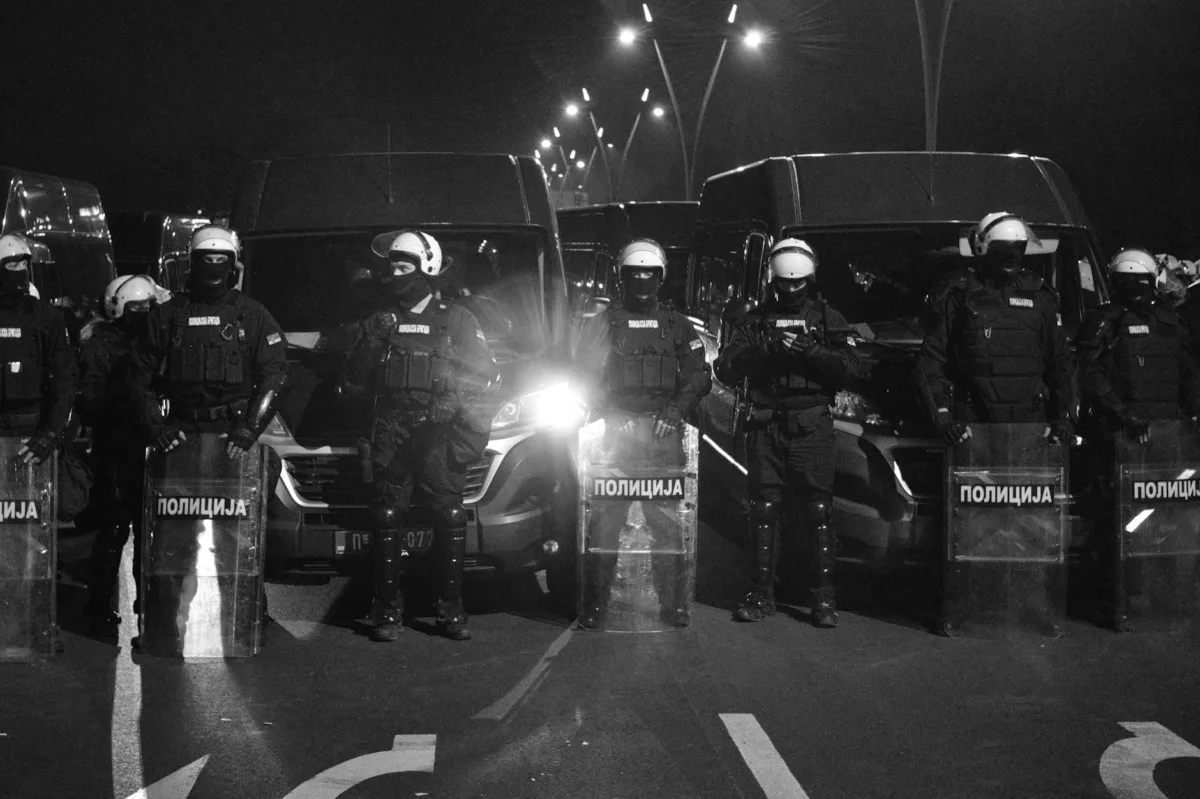








Voters across the Andean region are currently navigating a period of intense political volatility as leftist movements seek to reclaim influence in Peru, Colombia, and Bolivia. Throughout 2024, these nations have faced a convergence of electoral challenges, civil unrest, and institutional instability that threatens to redefine the democratic landscape of South America. As citizens head to the polls and take to the streets, the region finds itself at a critical crossroads between traditional governance and populist reform.
The Context of Regional Instability
The current unrest follows a decade of fluctuating political tides that saw a shift toward conservative leadership before a subsequent ‘pink tide’ returned to several capitals. Analysts point to persistent economic inequality, the lingering impacts of the pandemic, and disillusionment with established political parties as primary drivers of this volatility. In countries like Peru, the removal of leadership and subsequent cycles of protest have highlighted a profound disconnect between the executive branch and the populace.
Electoral Shifts and Institutional Friction
In Colombia, the administration of President Gustavo Petro continues to navigate the complexities of implementing structural reforms in a polarized legislative environment. The government’s ambitious agenda, which includes significant overhauls to healthcare and labor laws, has met with stiff resistance from opposition blocs and institutional watchdogs. These legislative battles reflect a broader struggle over the role of the state in addressing historical socioeconomic disparities.
Meanwhile, Peru remains locked in a cycle of political fragility. Frequent changes in the presidency, coupled with mass demonstrations, have paralyzed decision-making processes. International observers, including the Organization of American States (OAS), have expressed concern over the erosion of democratic norms, noting that the vacuum left by ineffective governance often invites radical political responses.
Civil Unrest in Bolivia
Bolivia has experienced a different, yet equally pressing, set of challenges. Recent riots and organized protests have underscored deep divisions within the ruling party and the broader electorate. These disturbances are not merely expressions of partisan disagreement but are indicative of deep-seated frustrations regarding economic management and the rule of law. The intensity of these events has prompted global human rights organizations to call for renewed dialogue and respect for constitutional processes.
Expert Perspectives on the Andean Outlook
Political economists emphasize that the current turmoil is exacerbated by a global environment of high inflation and diminished foreign investment. According to data from the Economic Commission for Latin America and the Caribbean (ECLAC), the region faces a projected period of low growth, which historically correlates with political instability. Experts argue that until these nations can address structural productivity issues, the cycle of protest and populism is likely to persist.
Implications for the Future
The immediate future of the Andean region hinges on the ability of democratic institutions to absorb dissent without collapsing. Investors and international partners are watching closely to see if upcoming electoral cycles will lead to moderate coalition-building or further polarization. Observers should monitor upcoming legislative sessions and constitutional court rulings, as these will serve as key indicators of whether the region can stabilize its political trajectory or if it is headed for a prolonged period of democratic retreat.