








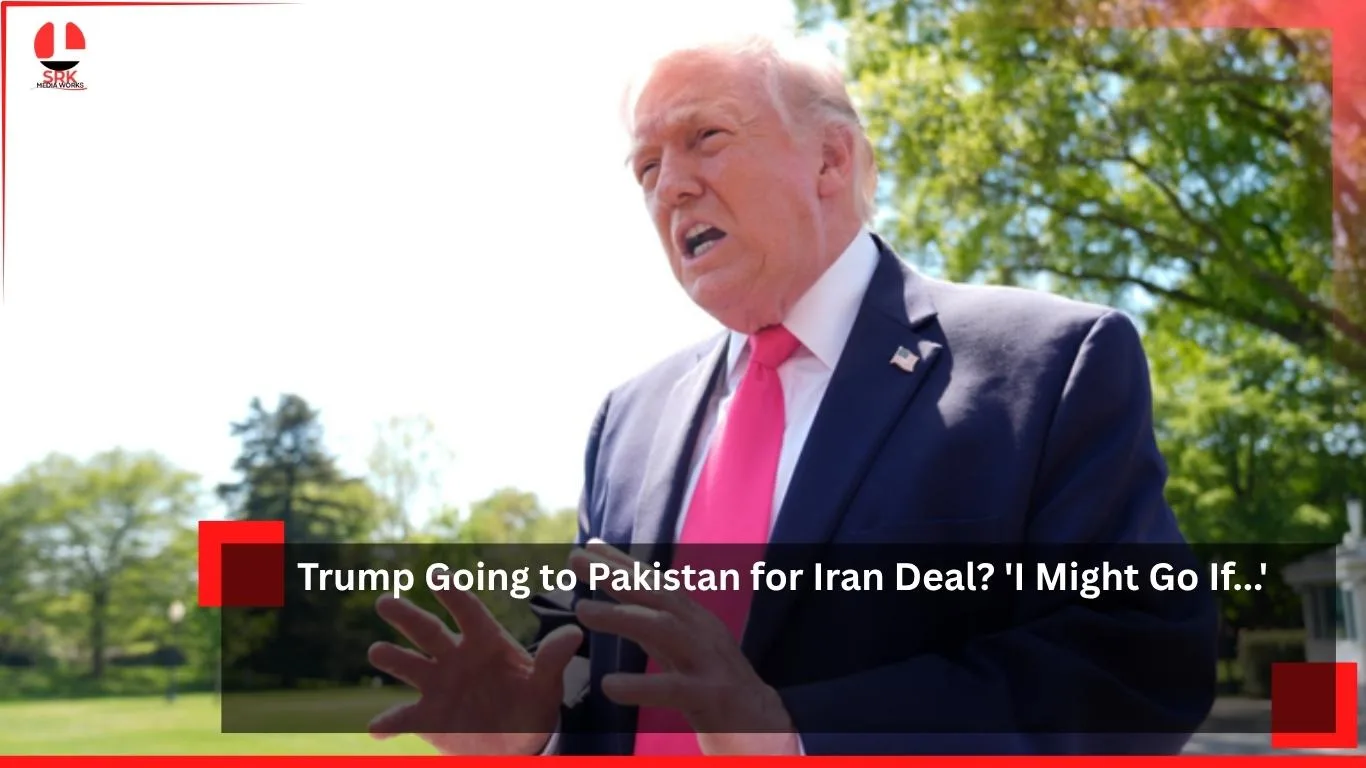
Former U.S. President Donald Trump has stirred global attention with his remarks suggesting he might visit Pakistan in connection with discussions around a potential Iran deal. His statement, “I might go if…” has sparked speculation about the role Pakistan could play in facilitating dialogue between Washington and Tehran, and how such a move might reshape regional geopolitics.
Trump’s Statement and Its Implications
Trump’s comment has been interpreted as a conditional willingness to engage with Pakistan on matters related to Iran. While he did not confirm a visit outright, the possibility of such a trip has raised questions about U.S. foreign policy direction, Pakistan’s diplomatic leverage, and the future of negotiations with Iran.
Key Implications:
- Pakistan could emerge as a mediator in U.S.-Iran relations.
- Trump’s conditional statement signals flexibility but also caution.
- The move could redefine Pakistan’s role in Middle Eastern diplomacy.
- It highlights the interconnectedness of South Asian and Middle Eastern geopolitics.
Pakistan’s Strategic Position
Pakistan has historically maintained close ties with both the United States and Iran, balancing its relationships to safeguard national interests. Its geographic location, bordering Iran and Afghanistan, makes it a critical player in regional diplomacy.
Pakistan’s Diplomatic Leverage:
- Strong military and intelligence networks.
- Strategic partnerships with China and Gulf nations.
- Ability to mediate between conflicting powers.
- Growing importance in global energy and trade corridors.
Iran Deal Context
The Iran nuclear deal, formally known as the Joint Comprehensive Plan of Action (JCPOA), has been a contentious issue in U.S. foreign policy. Trump withdrew the U.S. from the deal during his presidency, citing concerns about Iran’s compliance. His recent remarks suggest a possible reconsideration, albeit under new conditions.
Iran Deal Challenges:
- Ensuring Iran’s compliance with nuclear restrictions.
- Addressing regional security concerns, especially in the Gulf.
- Balancing U.S. domestic political pressures.
- Managing relations with allies like Israel and Saudi Arabia.
Comparative Diplomatic Engagements
Trump’s potential visit to Pakistan for Iran-related talks would not be unprecedented. Leaders have often used third countries as neutral grounds for negotiations.
| Country Used as Mediator | Year | Issue Addressed |
|---|---|---|
| Switzerland | 2015 | Iran nuclear deal negotiations |
| Oman | 2013 | U.S.-Iran backchannel talks |
| Pakistan (Potential) | 2026 | Iran deal reconsideration |
This comparison highlights Pakistan’s potential to join the ranks of countries that have facilitated critical diplomatic breakthroughs.
Regional Reactions
The possibility of Trump visiting Pakistan has elicited varied responses across the region.
Reactions Breakdown:
- Iran: Likely cautious, awaiting clarity on U.S. intentions.
- Pakistan: Welcomes the opportunity to play mediator.
- India: Watches closely, concerned about regional balance.
- Gulf States: Mixed reactions, balancing ties with both U.S. and Iran.
| Stakeholder | Likely Response |
|---|---|
| Iran | Cautious optimism |
| Pakistan | Diplomatic enthusiasm |
| India | Strategic concern |
| Gulf States | Pragmatic balancing |
U.S. Domestic Considerations
Trump’s remarks also carry domestic political weight. Any engagement with Iran or Pakistan could influence U.S. voters, especially given the polarized views on foreign policy.
Domestic Factors:
- Republican base’s skepticism of Iran.
- Democratic calls for renewed diplomacy.
- Media scrutiny of Trump’s foreign engagements.
- Impact on upcoming elections.
Global Geopolitical Impact
If Trump were to visit Pakistan for Iran-related talks, the global impact could be significant. It would signal a shift in diplomatic strategies and potentially open new avenues for conflict resolution.
Potential Outcomes:
- Renewed dialogue between U.S. and Iran.
- Strengthened Pakistan-U.S. relations.
- Rebalancing of Middle Eastern alliances.
- Increased global focus on South Asia’s role in diplomacy.
Future Outlook
While Trump’s statement remains conditional, the mere suggestion of a visit underscores the evolving nature of global diplomacy. Pakistan’s potential role as a mediator could reshape regional dynamics, while the U.S. may find new pathways to address longstanding issues with Iran.
Disclaimer
This article is a comprehensive news analysis prepared for informational purposes only. It does not represent official confirmation of diplomatic visits or agreements. Readers are encouraged to verify details from credible sources before drawing conclusions. The content aims to highlight the implications of Trump’s remarks about possibly visiting Pakistan in relation to the Iran deal.